
21 Bee Craft Ideas for 2026
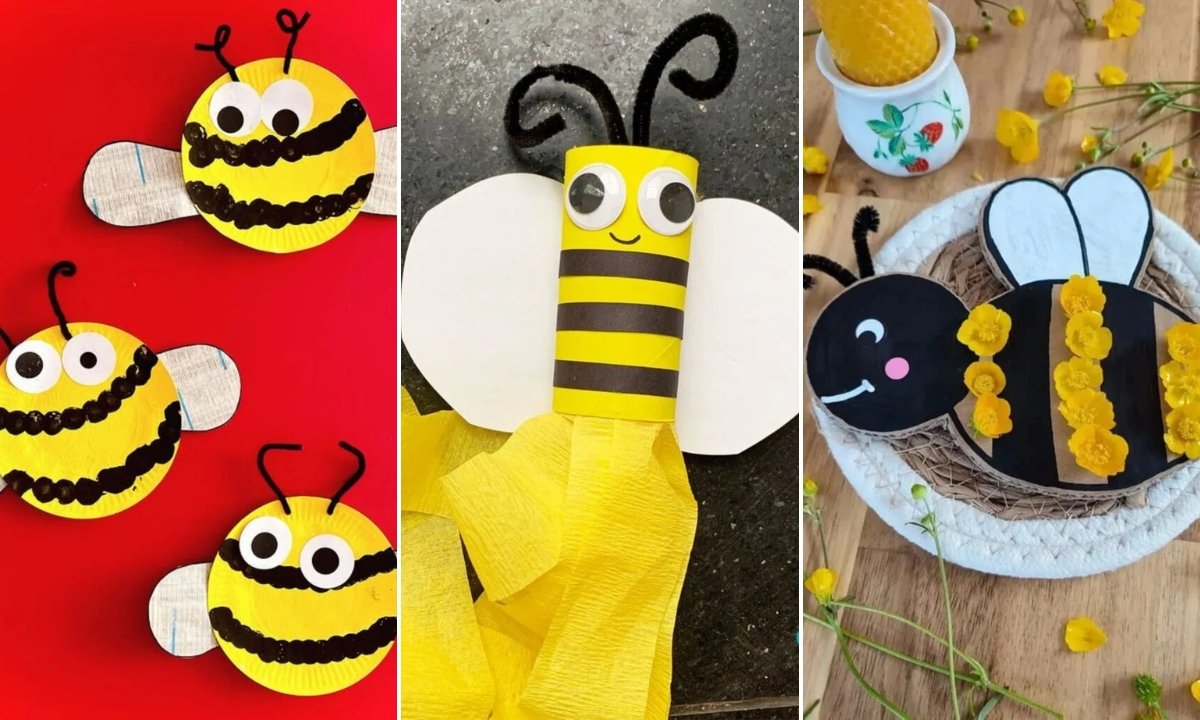
You look for bee craft ideas, thinking it will be easy, but after five minutes you can’t find the supplies, your kid is bored, and glue is everywhere.
At home, most “easy” crafts aren’t really that easy. They require too much planning, too many stages, or too much help from you.
This part fixes it. Here, you’ll find out what really makes a bee craft easy for kids, how to choose ideas that will work at home, and how to keep the mess, frustration.
These 21 kid-friendly Bee craft ideas are perfect for creative afternoons and quick projects in 2026.
Let’s jump in!
What Are The Easiest Bee Crafts Kids Can Make At Home?
The best bee crafts for kids are the ones they can start and finish without becoming stuck or angry.
No matter how cute it looks online, a craft isn’t easy if it needs specific tools, precise cutting, or aid from you all the time.
Simple bee crafts employ things you probably already have, don’t take much time, and let youngsters do most of the work.
Kids keep interested when the steps are brief and the mess is tiny and you was not regret starting the craft in the first place.
Save this article for later!👇👇👇
Paper Plate
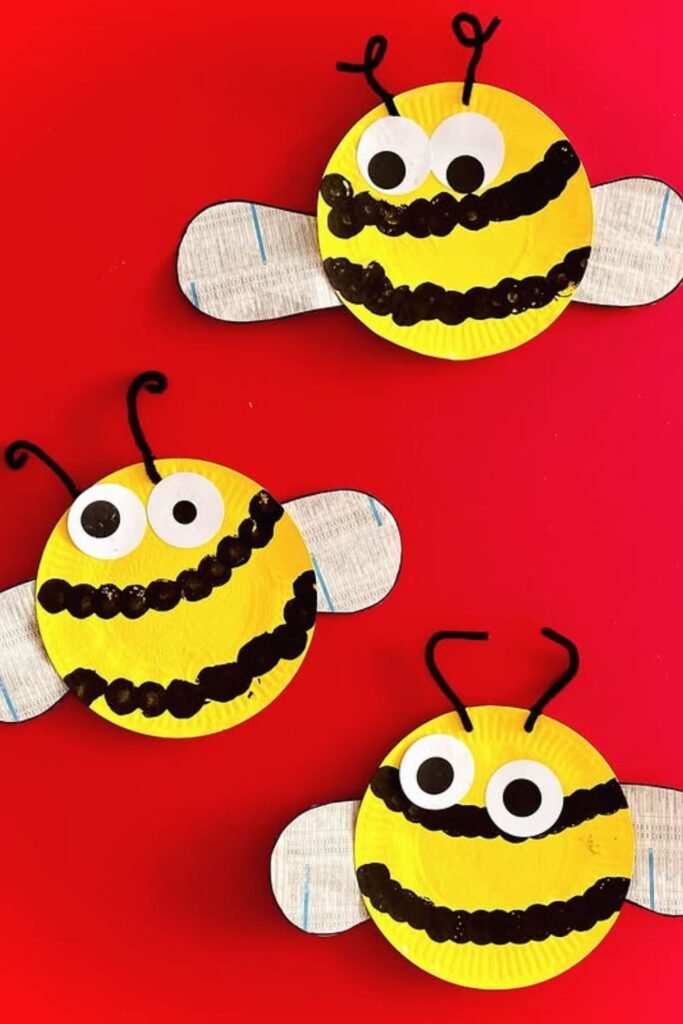
Paper plates turn into an instant win because kids already know how to handle them. Yellow paint or paper sets the base.
Then, black paint or markers can make stripes without having to be exact.
Googly eyes handle most of the personality work, so even stripes that aren’t straight appear good.
You may construct light wings that stick on quickly and dry rapidly by using coffee filters or folded paper.
This is great for quick projects in the afternoon, preschool activities, or days when you can’t focus for long.
This craft is great for home because it doesn’t require any prep, the kids can finish it on their own, and the cleanup is done before anyone gets frustrated.
Stick Bees
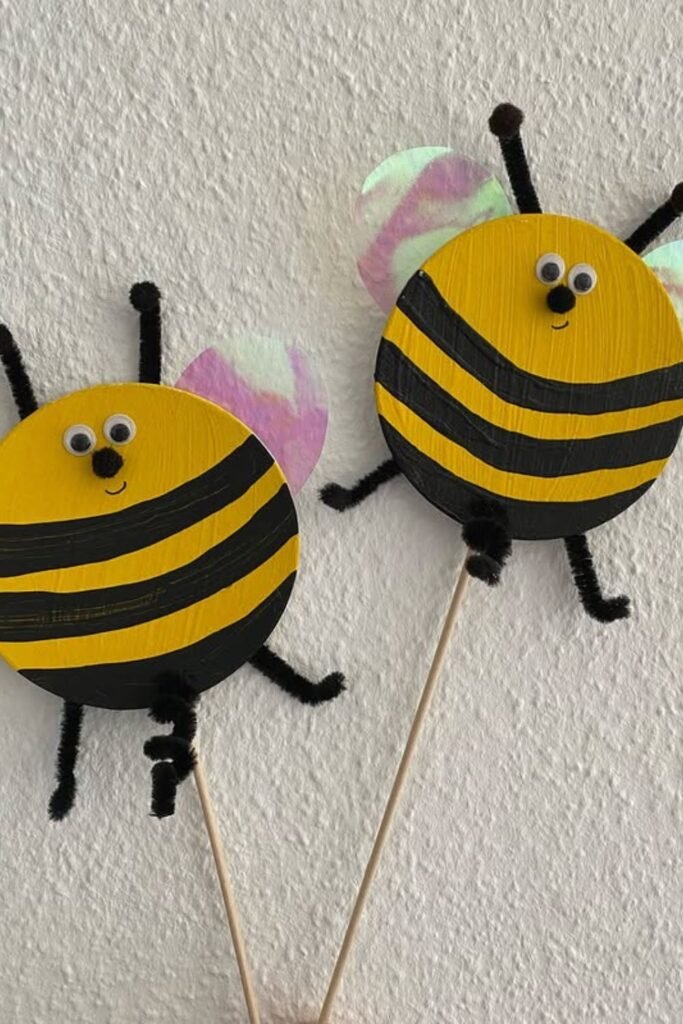
Movement changes everything for kids, and adding a stick instantly turns a simple bee into something they can play with.
The body should be made of cardboard or thick paper since it stays strong when they wave it around.
You can quickly make bold stripes with black paint or tape, even if the lines aren’t perfect. It’s easy to bend pipe cleaners into legs and antennae.
Which makes the bee look alive instead of flat. This idea is great for pretend play, telling stories, or group activities.
When kids want to “fly” their bees around. When the craft is done, the fun keeps on without needing screens or extra setup.
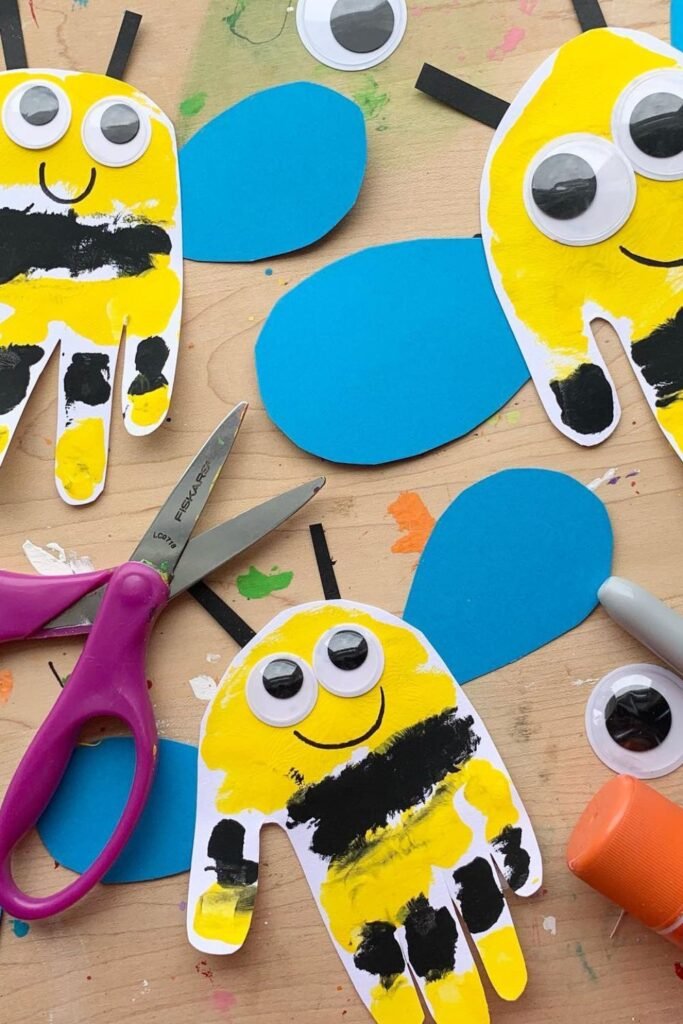
Handprint Bees
Little hands steal the spotlight here, and that’s exactly why kids love this one. Paint palms yellow, add quick black stripes.
Then, before the paint dries, press it into paper. Every print becomes a bee with its own personality, and no two look the same.
Kids can keep going with the blue paper wings and googly eyes. This is great for preschoolers who like to play.
With their senses and don’t mind getting paint on their fingers. Kids will easily recognize their own hand.
When they see the finished bees hanging on the wall or fridge. This makes the project feel more personal than just decorative.
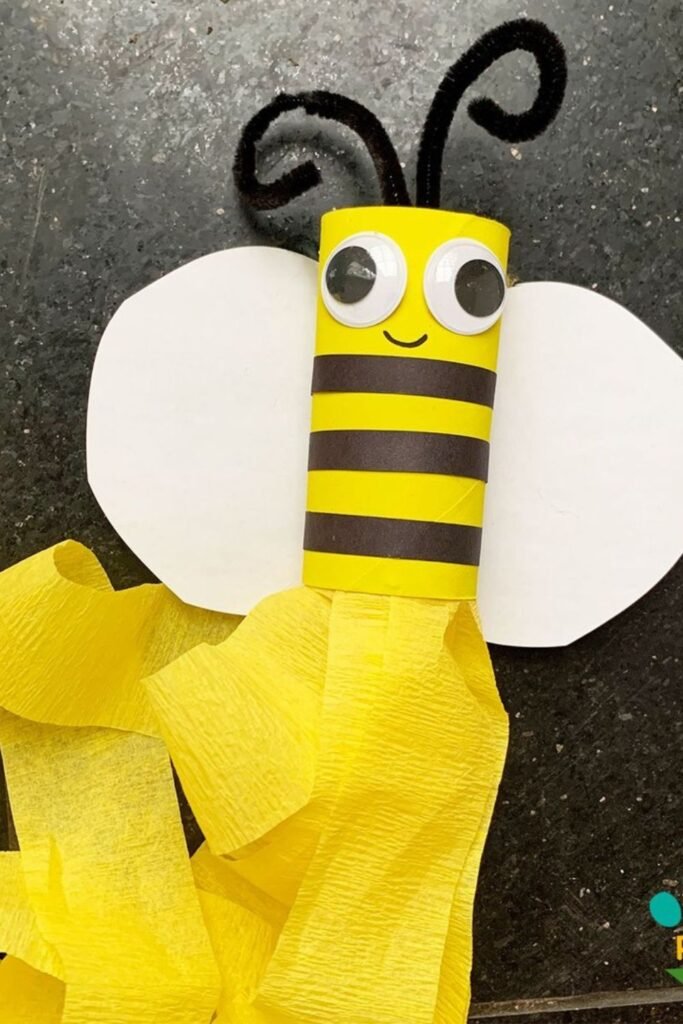
Toilet Roll
Long streamers instantly turn a simple bee into something kids want to touch and move. A toilet paper roll forms the body.
Wrapped in yellow paper with black stripes drawn on with a pen or paper. There are strips of crepe paper hanging from the bottom.
That make the bee move without any further work. It’s easy to bend pipe cleaners into antennae, and it only takes a few seconds to glue on paper wings.
This is great for toddlers and younger kids who like to move around rather than do detailed work.
Kids will stay interested in the craft long after it’s done if you hang it from a door doorknob, shelf, or window.
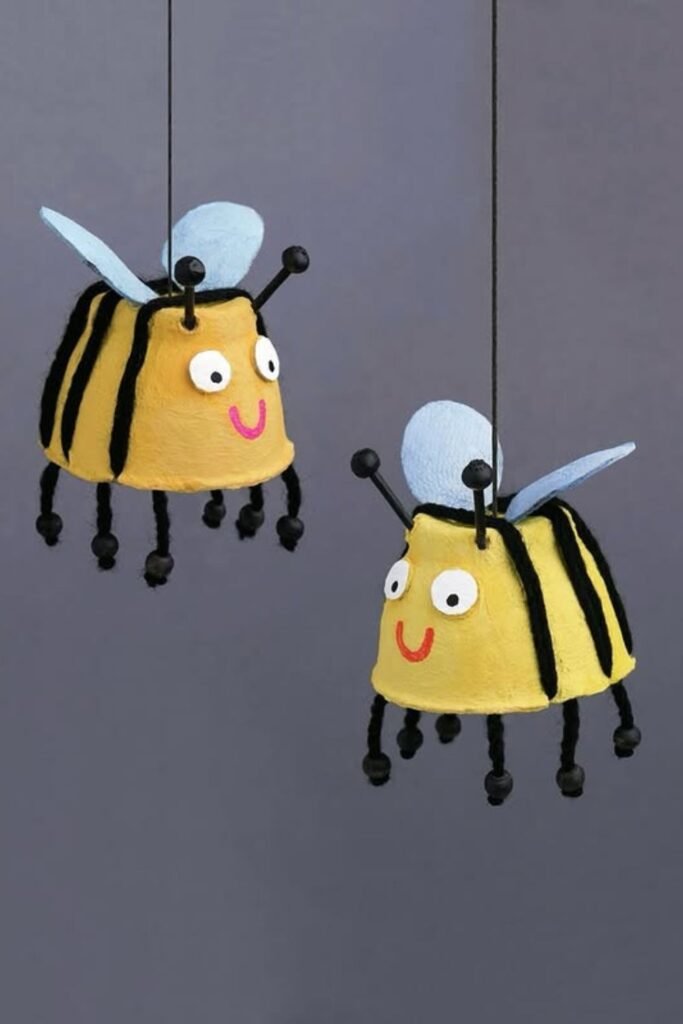
Egg Cartons
Egg cartons quietly solve two problems at once: structure and shape. The cup already looks like a bee body.
So kids don’t struggle figuring out how to build it. You can make dramatic stripes with black yarn or paint.
And you can use pipe cleaners for legs and antennae. When you hang the bee, the lightweight wings made of foam or paper keep it balanced.
This design is great for spring units, window displays. When you want to make something that can also be used as room decor.
Kids may get a flying bee effect without any extra work or hard steps by hanging them up at varying heights.
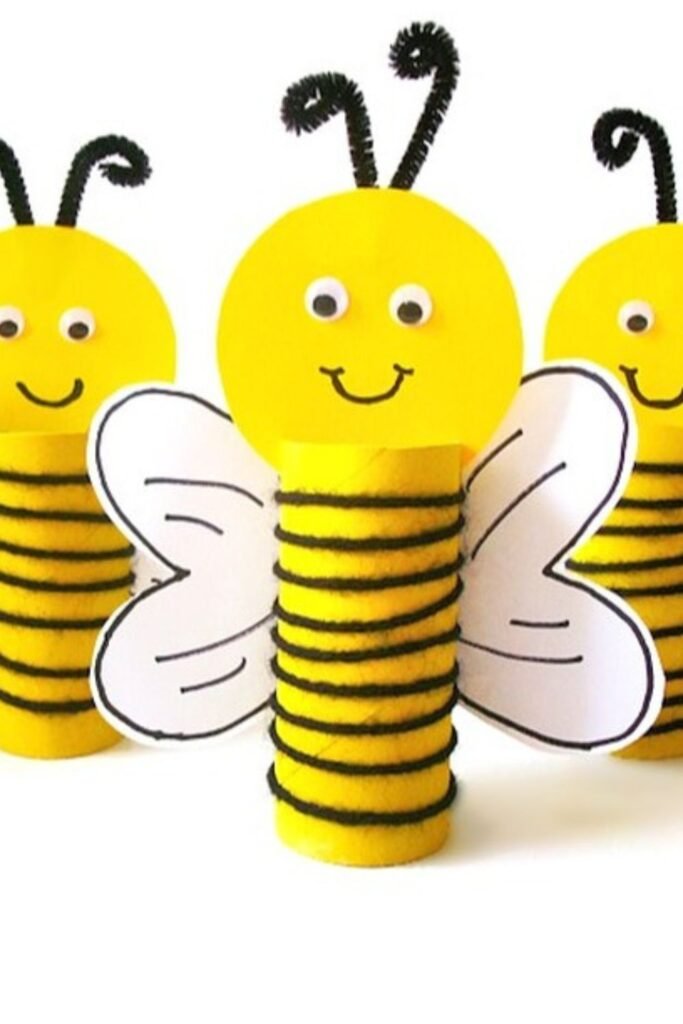
Yarn Wrap
Soft texture pulls kids in before you even explain the craft. Yarn wrapped around a toilet roll creates bold bee stripes without paint or mess.
This is great for quiet craft time. Gluing one end of the black yarn is the first step. Then, let the youngsters wrap it around until the stripes feel “bee enough.”
You can insert paper wings into the back or glue them on flat. Pipe cleaners make great antennae because they coil up quickly.
This is great for preschoolers and early elementary school kids who like to move around yet have trouble with small details when painting.
The final bees can stand on their own, so youngsters may line them up, play with them, or show them off.
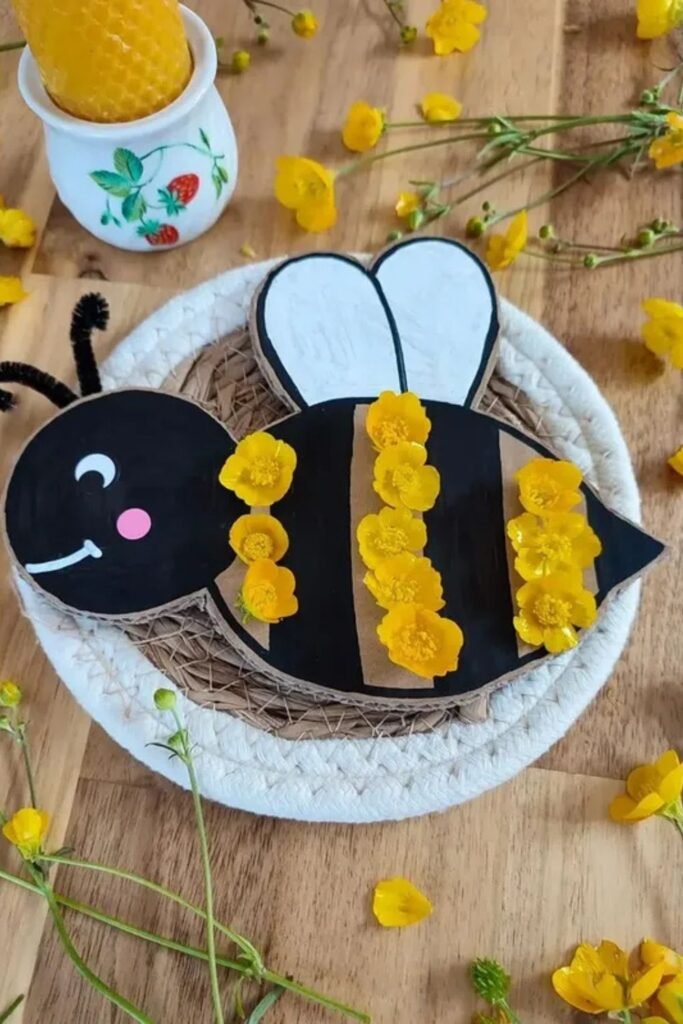
Flower Collage
Real flowers turn a simple bee shape into something kids slow down for. Pressed or fresh yellow flowers work as stripes.
So no painting skills matter here at all. Cut out a simple bee body from cardboard or thick paper.
Then let the kids glue on blossoms one at a time. It feels quiet and concentrated, which makes it great for older students.
Nature days, or lessons with a spring theme. A little walk outdoors to pick flowers makes the activity feel special even before it starts.
Once it dries, the bee makes a great decoration for a table or a keepsake that lasts longer than most paper crafts.
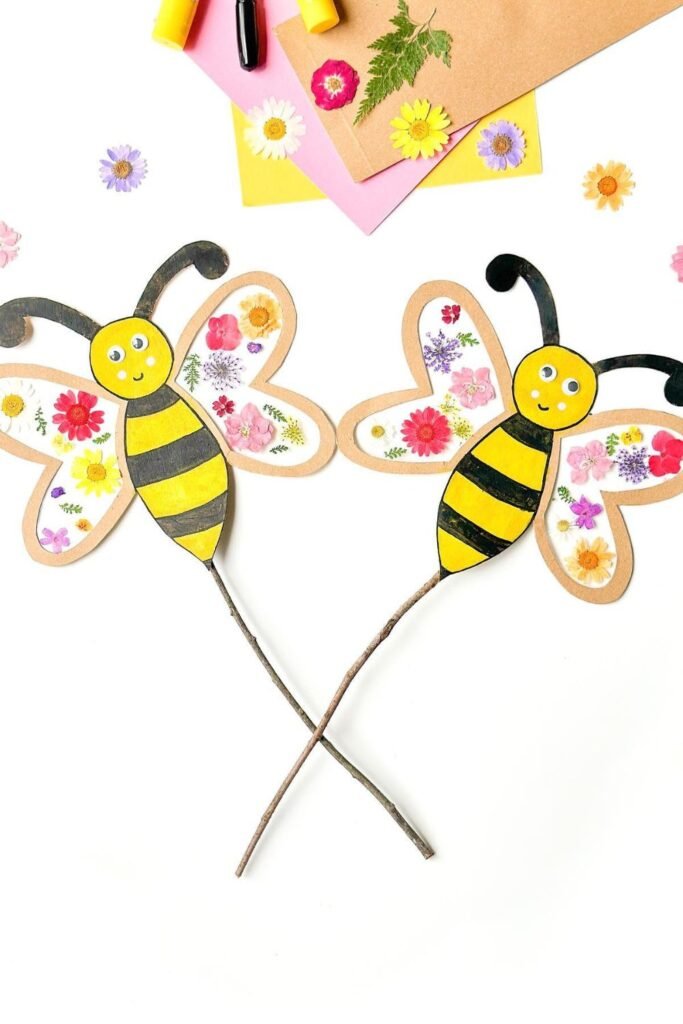
Nature Wings
Pressed flowers turn wings into the main attraction here, which instantly changes how kids approach the craft.
They don’t rush anymore; instead, they take their time and pick colors and shapes that seem appropriate.
Cut a simple bee body out of cardboard, paint rapid black and yellow stripes on it, and then seal flowers.
Between sheets of paper or laminate-style sheets for the wings. Twigs work perfectly as handles and make the bee feel connected to the outdoors.
This works best when kids have been outside or in the garden and are already holding flowers.
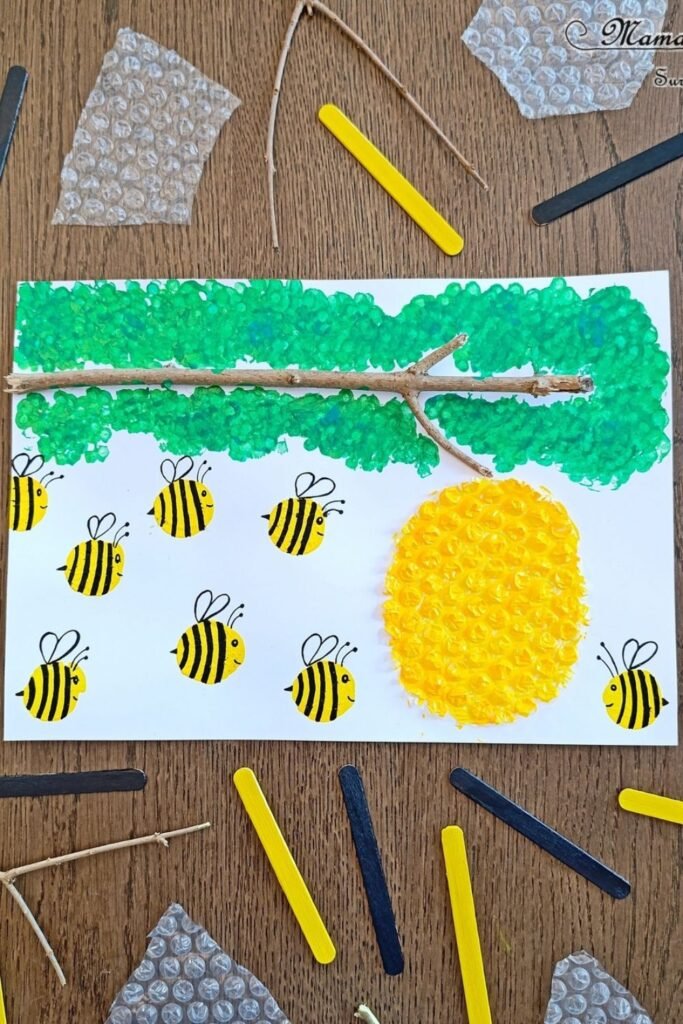
Bee Scene
Storytelling sneaks in the moment kids see more than one bee on the page. Paint creates the background first.
Then, bubble wrap presses change yellow paint into honeycomb texture in a flash, without creating a single hexagon.
Fingerprints or thumbprints turn into flying bees, which makes the procedure more fun than exact.
Small sticks glued to the top act as branches and provide depth to the picture without needing to be a good artist.
This idea is great for extended craft sessions, art in the classroom, or days when kids want to make an entire scene instead of just one thing.
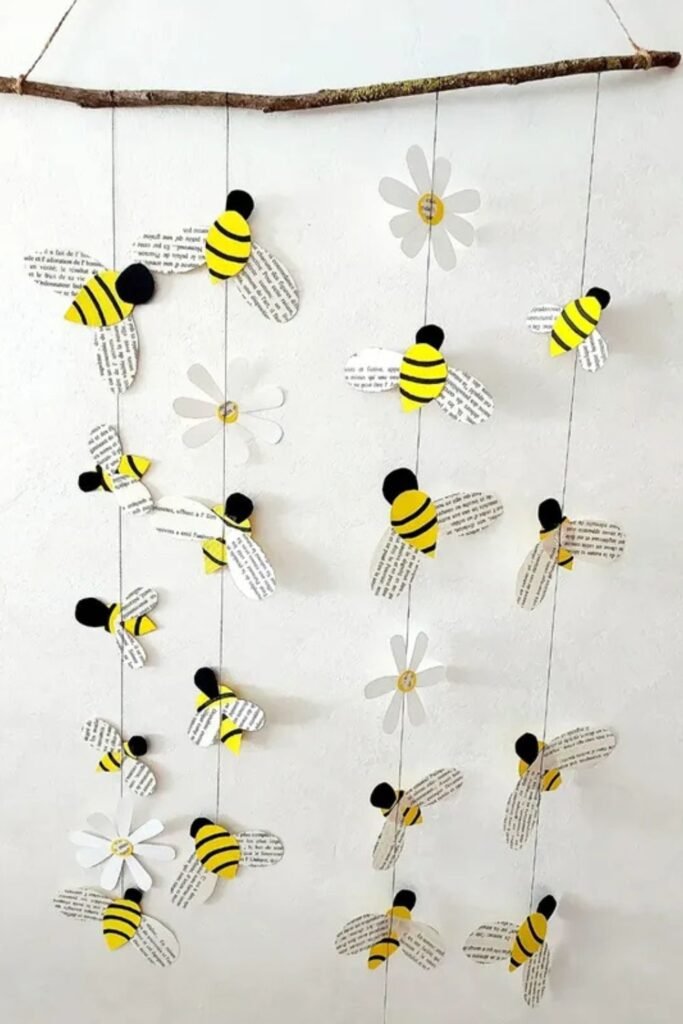
Bee Mobile
Hanging bees change how kids experience the craft because the fun doesn’t stop when the glue dries.
The body are made of paper cutouts, and the wings are made of old book pages or scrap paper that move with the air.
A basic stick can be used as a frame without any tools, and string holds everything together.
Kids naturally try things out and make changes as they go since balance is more important than perfection here.
This works best in places where people move around a lot, like by windows, in reading areas, or in beds.
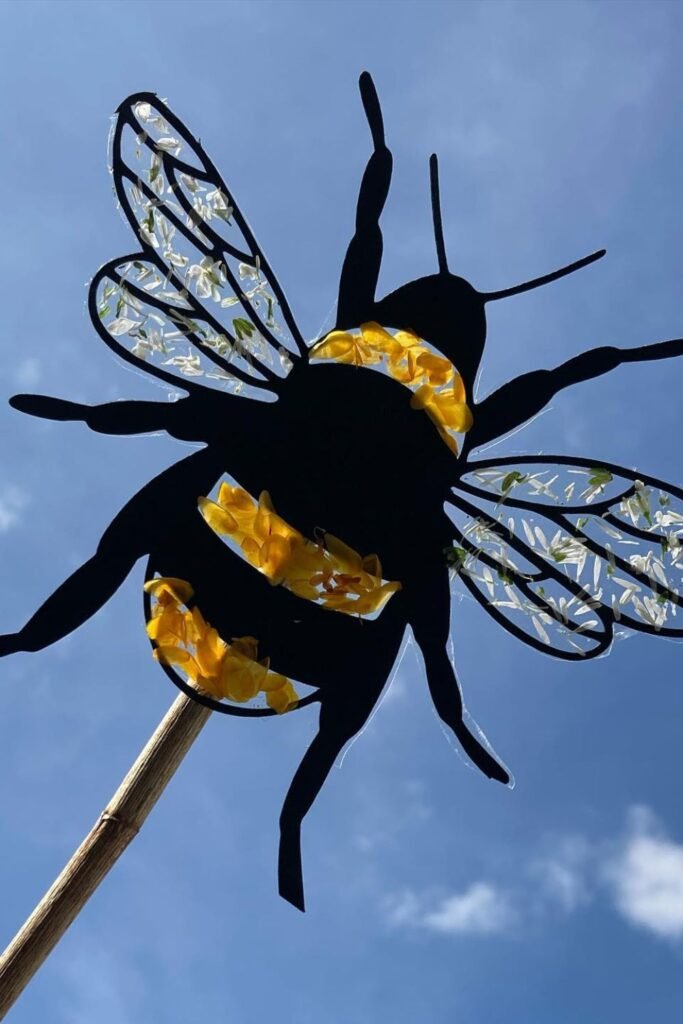
Sun Catcher
Light does most of the work here, which is why kids stay hooked from start to finish. Black paper outlines the bee shape.
While clear sheets of contact paper keep petals or tissue pieces in place for glowing wings and stripes.
It feels good to press stuff down, especially for kids who like to see results right away. A wooden stick changes the bee into something.
You can lift up to the sky or put in a plant pot. This is great for craft days outside, spring afternoons.
Or window projects where the sun complete the pattern without any more work or paint mess.
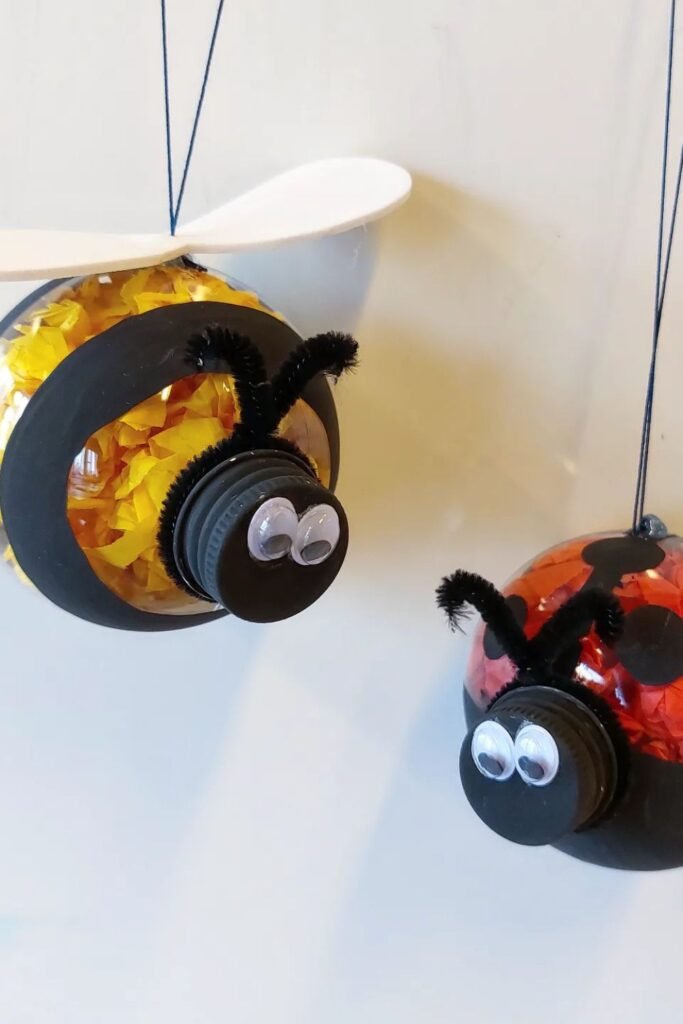
Bottle Orbs
Clear plastic turns this bee into something kids can actually see through, which instantly makes it feel different from flat paper crafts.
Cut the bottom off a bottle to make the body, then fill it with yellow tissue until it looks full and vibrant.
Black paper wraps make stripes without paint, and a bottle cap is a great face. You may make rapid antennas with pipe.
Cleaners and light wings using foam or card. Hanging is the ideal way to do this because the movement shows off the color inside.
This idea is good for older kids who want to build and put things together more than paint. The end result is both fun and strong.
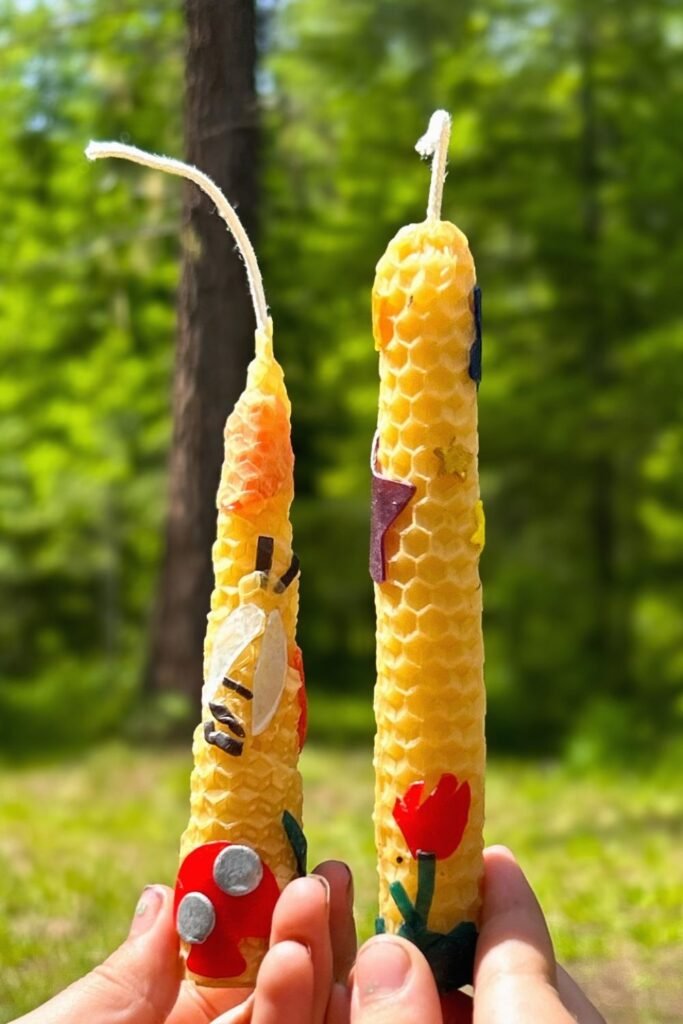
Wax Candles
Rolling beeswax feels almost magical for kids because the material does half the work on its own.
To make a candle, warm hands soften the sheet and then apply mild pressure to wrap it securely over the wick.
You can easily decorate the wax with small bee forms, flowers, or dots that press straight into it.
Adults can help, but kids are still involved from start to finish. This is great for quiet craft time, nature units, or older kids who like to do hands-on work carefully.
Kids appreciate knowing they made something that will be used again later, and the final candle seems special, not like something that can be thrown away.
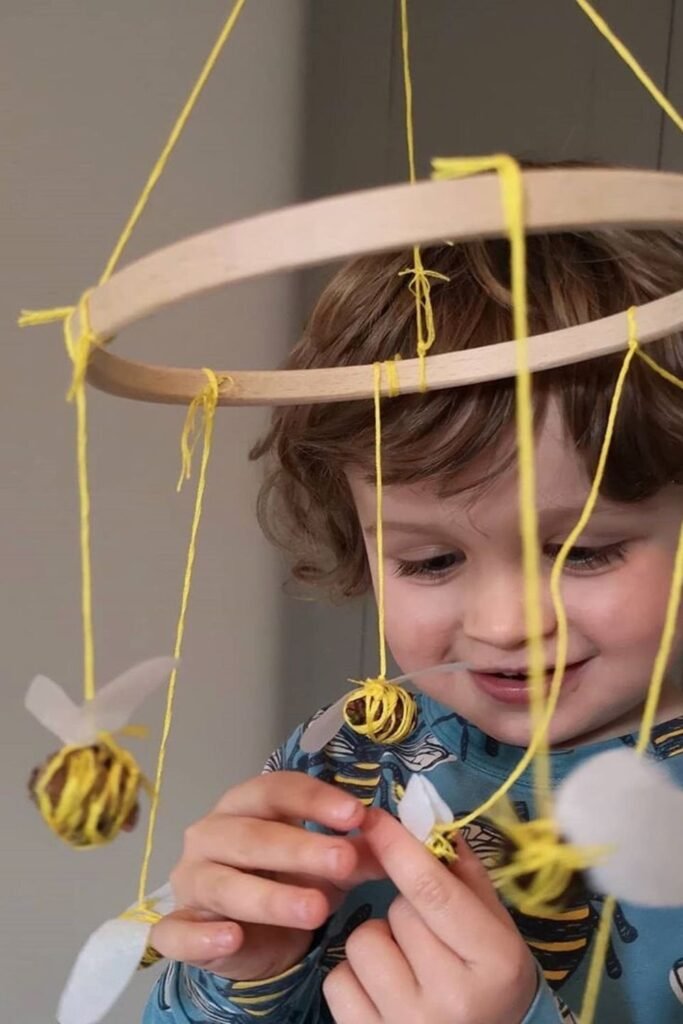
Yarn Mobile
Suspended bees grab attention fast because little hands can’t resist movement. Yarn wrapped into loose balls forms soft bee bodies.
This makes it safe and fun for children to play with. The white paper wings stay light, which makes it easy for the bees to rotate.
Instead of falling straight down. You don’t have to measure everything exactly with an embroidery hoop.
It’s easy to make things move by hanging strings at varied lengths. This layout is great for quiet play areas, reading corners, or sensory time.
Where kids may touch, watch, and change things without breaking anything.
Making the bees is easy, but the true fun comes after the project is over when you watch them move.
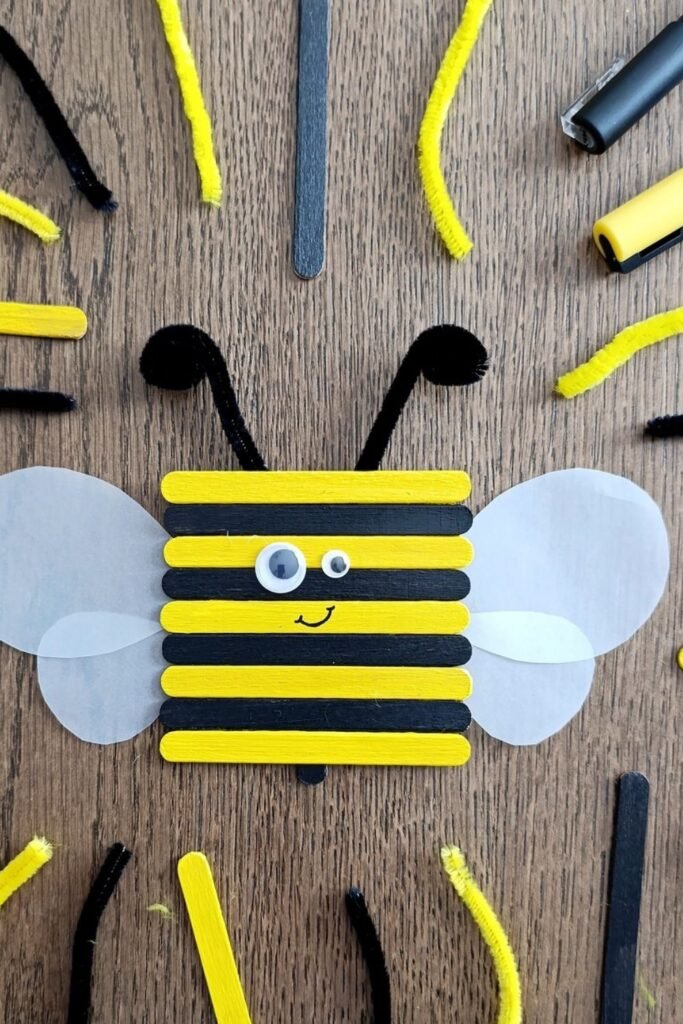
Craft Sticks
Straight lines make this bee feel easier than it looks. Lining up craft sticks gives kids instant structure.
thus the body comes together quickly without having to guess sizes or shapes. The yellow and black sticks spontaneously form stripes.
So you don’t have to paint them at all. One twist makes pipe cleaners curl into antennas, while wings made of see-through paper keep the design light.
This is great for kids who want to build and arrange things more than sketch. Tabletop crafting is great for this project.
The bee stays flat and strong enough for bulletin boards, notebooks, or basic wall displays without breaking apart.
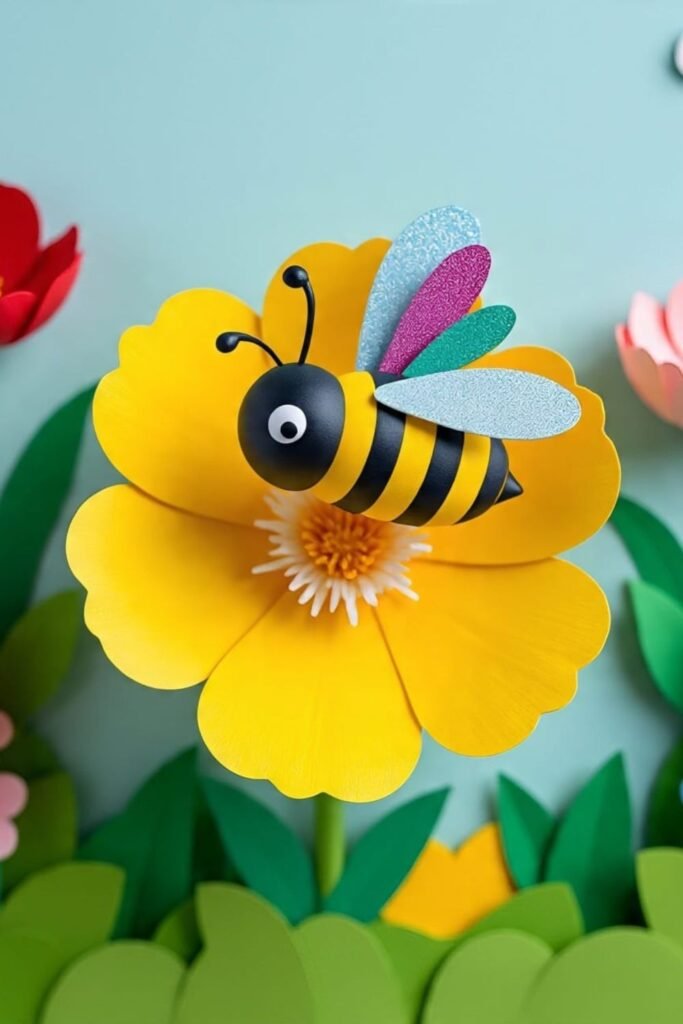
Flower Visit
Flowers give kids a clear purpose before they even touch the paper. Building the bloom first makes the bee feel like part of a story not a random craft.
Cut out layered petals from colorful paper, glue on a textured center and then put a miniature striped bee on top as if it just landed.
Foam or glitter paper wings offer depth without making things harder. This is a great way to use color in classes.
Garden themes, or wall displays in the spring. Kids stay focused longer because they are making a scenario, not just a shape.
The flower stands on its own when it’s done, and the bee finally has a place to go that matters.
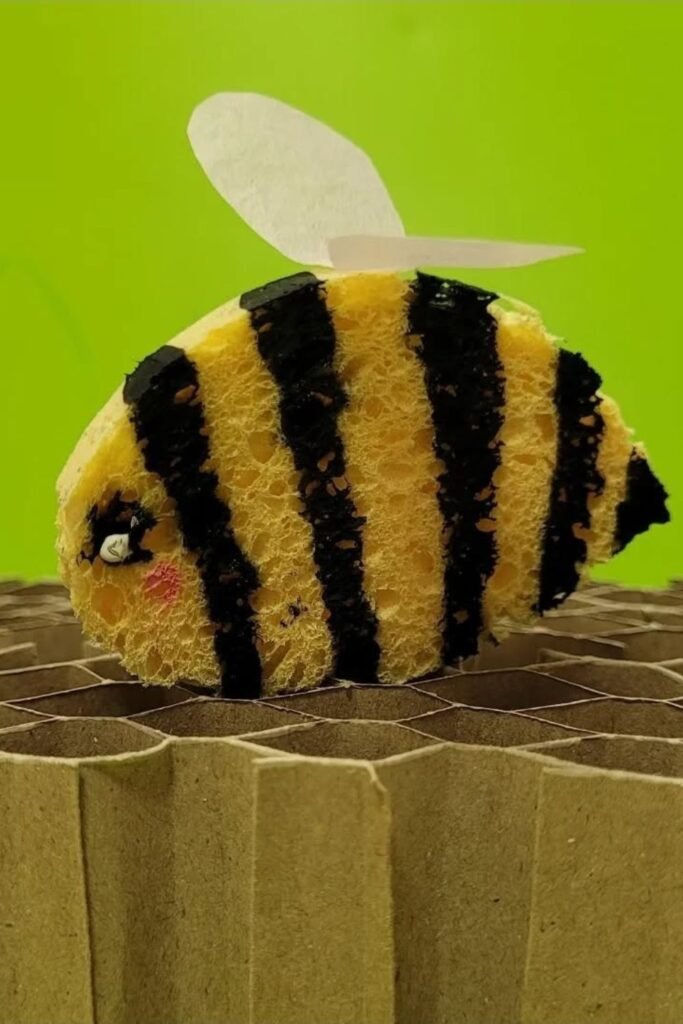
Sponge Bee
Soft texture makes this one feel friendly before kids even start crafting. A kitchen sponge cuts easily into a rounded body.
So that molding doesn’t become a fight. Black paint or marker stripes soak in quickly and dry quickly, which keeps the process going.
You may easily fit thin paper or foam wings into a small cut on top without using too much glue.
This is great for younger kids who want to paint, press, and squeeze things without being exact.
Put it on a tray or cardboard honeycomb, and it will quickly become part of a play setting.
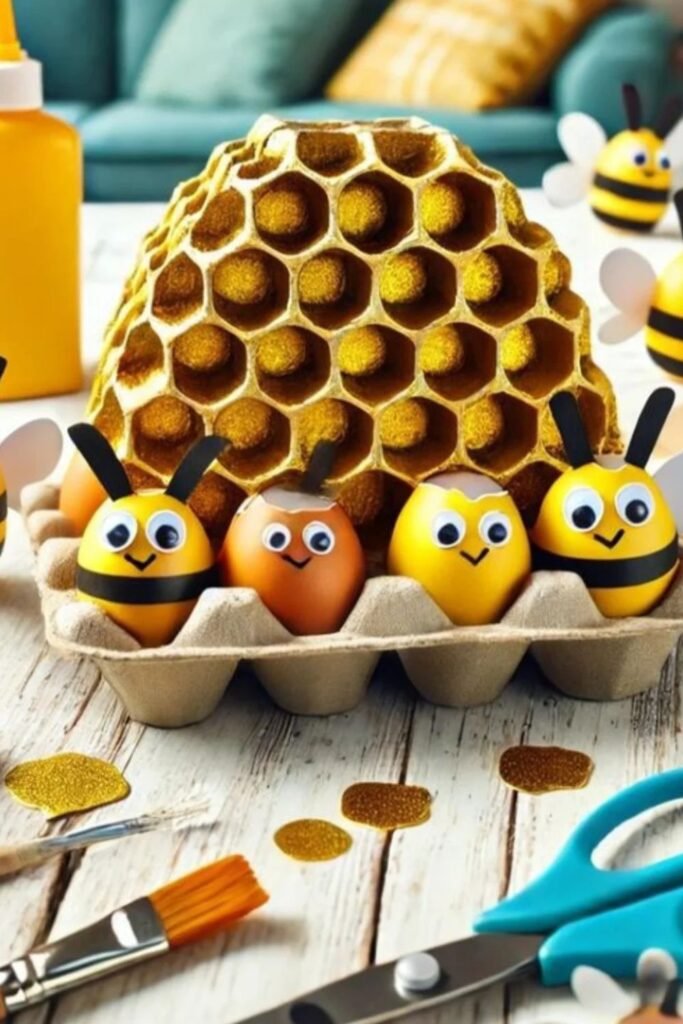
Egg Carton
Eggs already come in the perfect shape, which makes this craft feel easy before it even begins.
Kids may quickly see results when they paint real or plastic eggs yellow. Adding black stripes makes them look like bees without having to do a lot of intricate work.
Adding googly eyes and paper wings quickly finishes the look, so people don’t lose interest halfway through.
An empty egg carton can also used as hive to keep everything in one place and tidy. This is great for group activities, rainy afternoons, or table projects.
When kids enjoy to watch a lot of bees coming together. The carton is no longer merely something to toss away when the game is over.
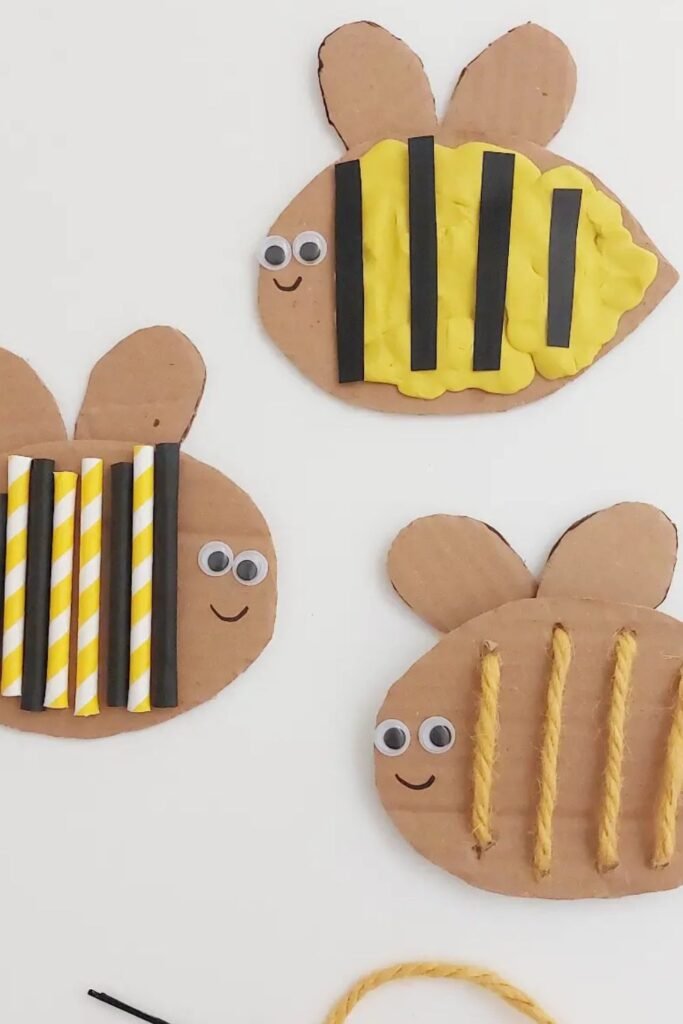
Cardboard Bees
Scrap cardboard gives kids freedom to experiment without worrying about mistakes. Cutting simple bee shapes creates the base.
Then you can use things that are already around, such paper straws, yarn, rolled paper, or playdough, to make stripes.
Making tiny holes for yarn makes this into a fun way to exercise the fine motor skills with out it feeling like labor.
This idea is great for groups of people of different ages because everyone can pick a different stripe style.
When you finish the bees, they stay flat and strong, so it’s easy to tape them to walls, boards, or windows while still showing off each child’s unique choices.
Stacked Circles
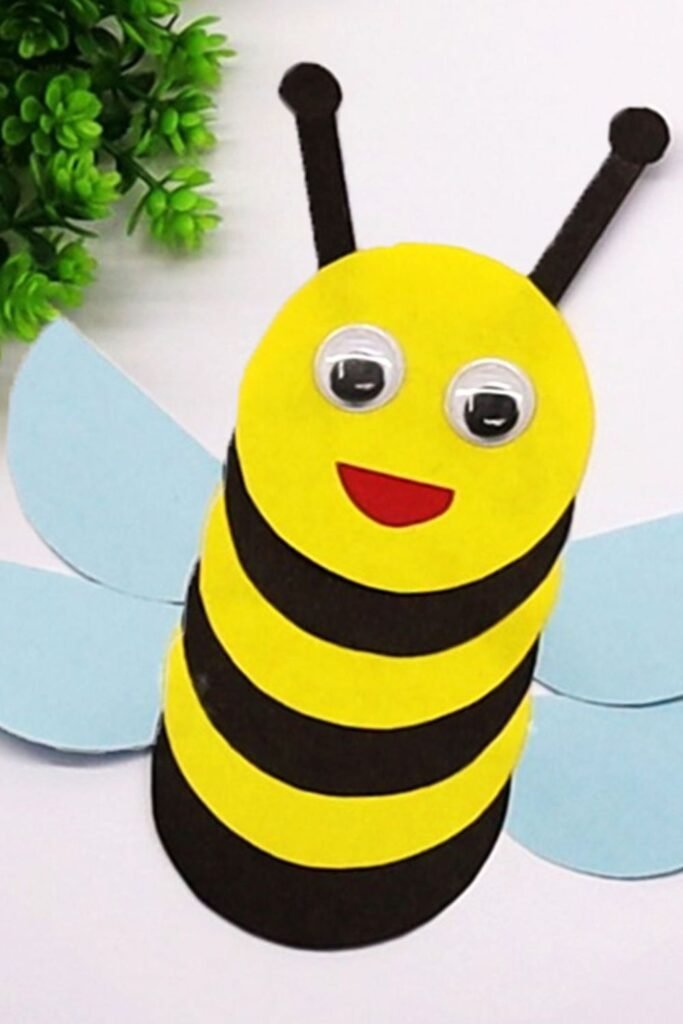
Layering shapes gives kids an easy win because everything lines up naturally. Cutting circles in two colors and the stripes form just by stacking.
So, no measuring or painting slows things down. Start with the biggest circle at the bottom and work your way up.
Until the bee body is finished. Paper wings slip under the layers, which keeps them safe without needing more glue.
This is great for youngsters in early elementary school who like to cut and put things together in order.
Even if the circles aren’t perfect, the finished bee looks nice, which keeps your confidence high and your aggravation low from start to finish.
Love Cards
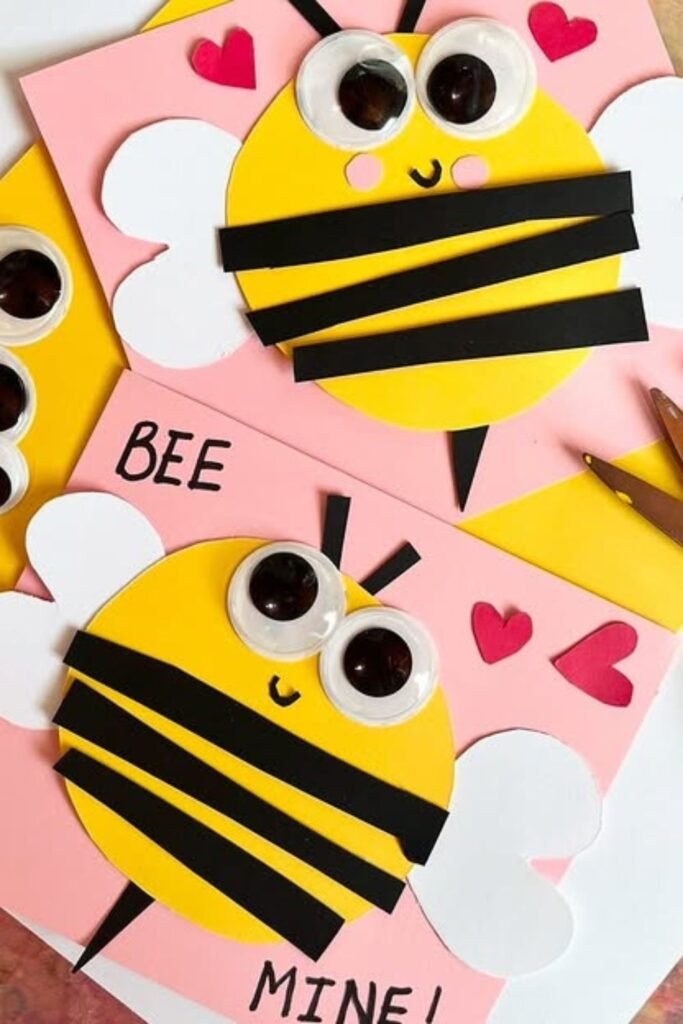
Cards give bee crafts a reason to exist beyond decorating the table. Folding cardstock sets the base.
Then, a bright yellow circle quickly turns into the bee’s body. One cut turns black paper strips into stripes, and heart shapes convey emotion without needing to explain.
The googly eyes do the hard work, so faces look emotive even when they’re not perfectly centered.
This is excellent for thank-you notes, Mother’s Day cards, or classroom exchanges where youngsters want to present something they produced themselves.
Putting a little note inside gives the project a purpose, and youngsters feel good about giving it to someone special instead of keeping it in a drawer.
FAQs
How do I stop bee crafts from turning into a mess at home?
Instead of wet paint, pick concepts that employ glue sticks, paper, or dry materials. Create a modest work space and offer the kids.
Create a modest work space and offer the kids only the materials they need for the first step.
What age group are bee crafts best for?
Bee activities are fun for kids of all ages as long as the supplies are right for them. Toddlers like soft textures and simple forms.
Older kids like to construct, layer, or make designs based on nature. Change the tools, not the idea, and the craft will be pleasurable instead of hard.
Hi, I’m Afaf! I’m a law student who loves writing about everyday life – from home projects and crafts to fashion, beauty, and parenting tips.
I’ve been writing for over a year, sharing ideas that are simple, practical, and easy to try. I write about things I find interesting and useful, whether that’s organizing a space, trying a new DIY, or finding activities to keep kids entertained.
My goal is to share helpful ideas without making things complicated. If it works in real life, I’ll write about it.
When I’m not studying or writing, I’m usually experimenting with new projects or scrolling for inspiration!