
21 Baby Girl Room Ideas For 2026
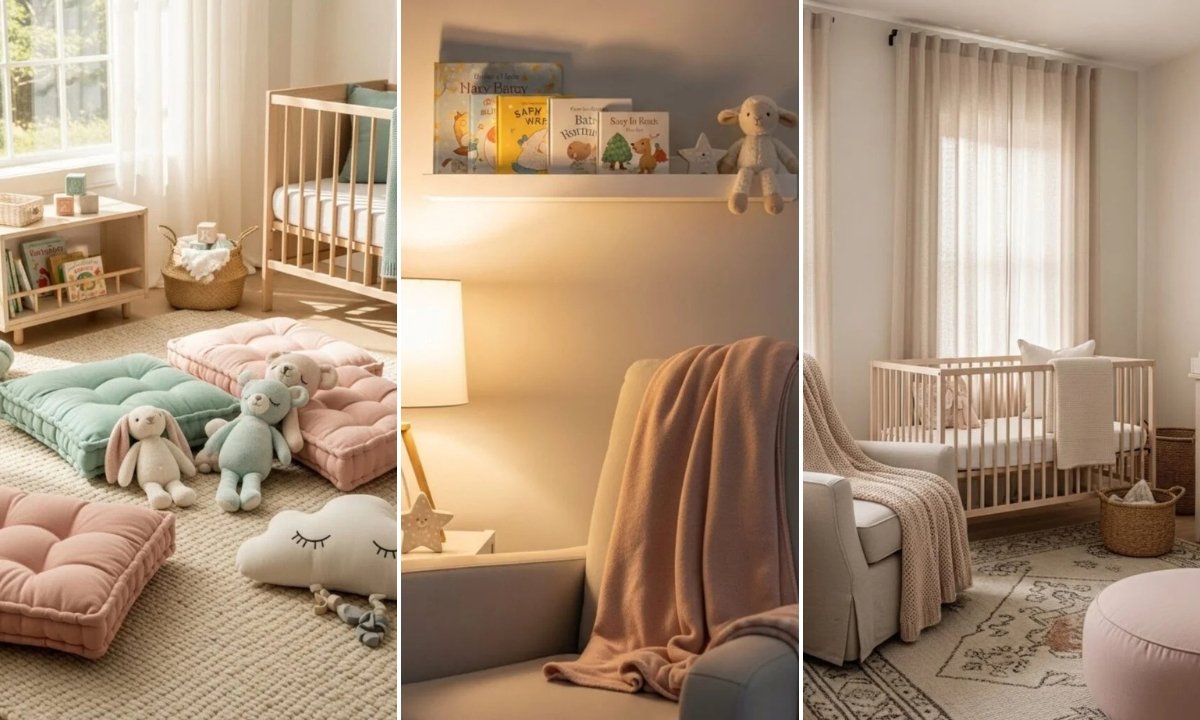
If you’ve been collecting baby girl room inspiration for ages and still feel a bit lost, you’re in good company.
One room seems ideal, another is a bit too sugary and before you know it, you’re questioning what’s truly important and what just fluff.
Throw in a small space, a budget, and the worry of safety, and it quickly becomes a lot to handle. The reality is, a baby girl’s room doesn’t have to be elaborate to be lovely.
In this article, I’ll walk you through 21 Baby Girl Room ideas that make the most of limited space in 2026.
What Are the Must-Have Furniture Pieces for a Baby Girl Room?
It’s tempting to try and acquire everything immediately when you begin shopping, but that’s not necessary.
Prioritizing the wrong items initially can lead to wasted funds and clutter. Begin with a secure crib everything else in the nursery revolves around the babies sleeping area.
Following that, a comfortable chair for feeding and soothing your baby is essential, particularly during those extended nighttime hours.
A dresser that also serves as a changing table is a smart choice conserving both space and energy.
Save this article for later!👇👇👇
How Can Lighting Change the Mood of a Baby Girl Nursery?
Lighting has a profound impact on a room’s atmosphere, often more than we consciously acknowledge.
Harsh lighting can make a space feel tense a particular concern during those late-night feedings. Conversely if the light is too weak even basic activities become a chore.
Begin with gentle overhead lighting during the day and then introduce a warm lamp or nightlight for the evening hours.
Sleep Corner
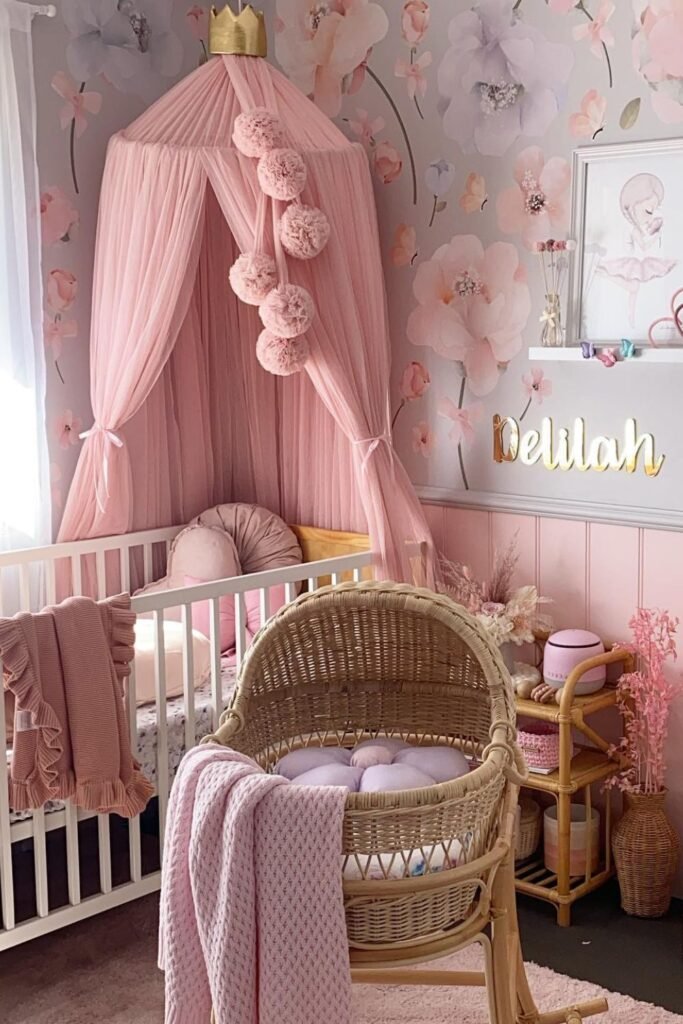
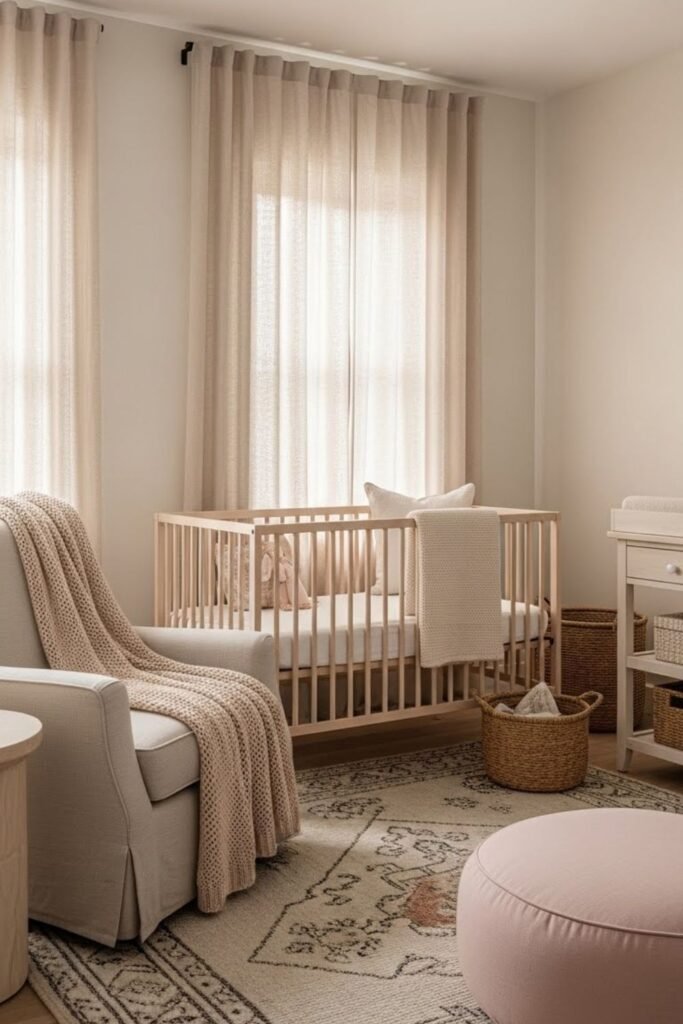
A quiet corner works best for a crib when you want the room to feel peaceful instead of busy.
A sheer fabric draped above the crib introduces a delicate touch establishing a subtle division with out making the area feel cramped.
The light pink hues contribute warmth maintaining an open breezy atmosphere.
Play Zone
Movement friendly spaces work best when play and rest feel clearly separated. Low chairs or soft shapes and open floor space give kids freedom without chaos.
Keeping the beds a bit separated keeps the room from seeming cramped. The rounded furniture and floor sitting are perfect for toddlers.
They can wander around, sit, and play on their own, all while being in the same space.

Cozy Corner
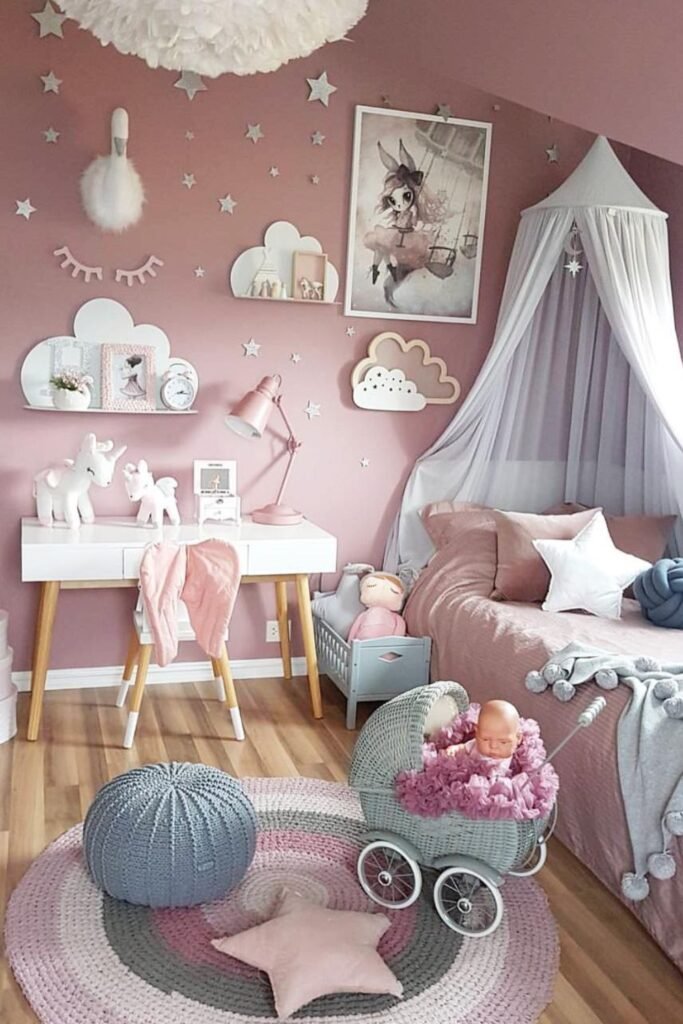
Soft layers make a room feel gentle without trying too hard. A low bed paired with a light canopy works well in attic rooms or spaces with sloped ceilings.
The central open area allows for play and wall-mounted shelves provide a place for decorative items without making the room feel cramped.
Opt for soft pinks and warm neutrals this will help the space remain soothing as your child matures.
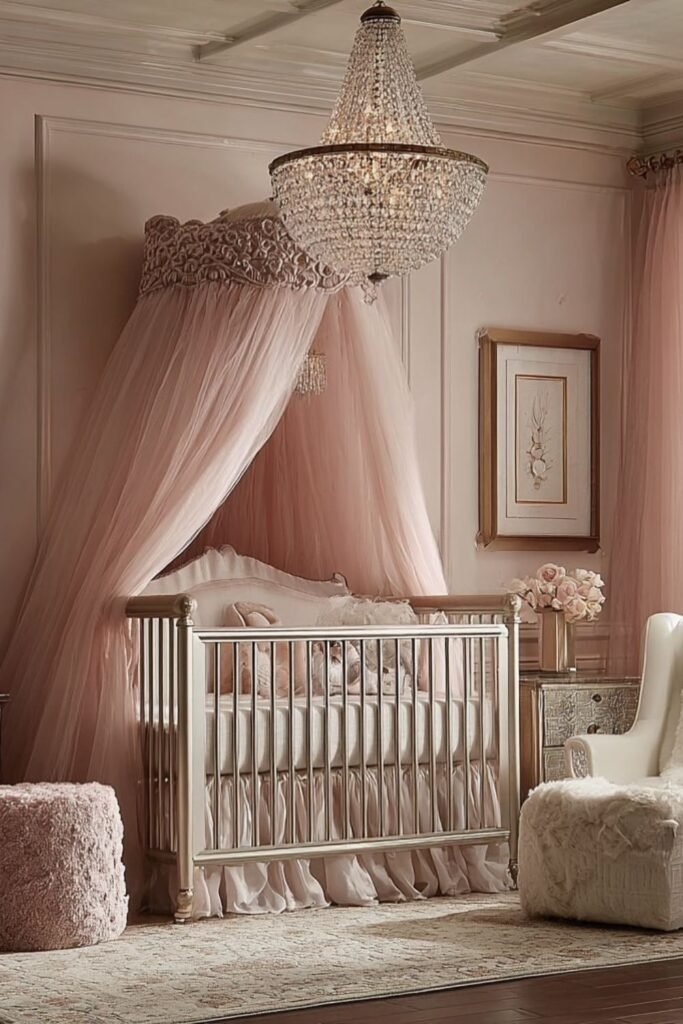
Elegant Sleep
Luxury works best when it stays soft not flashy. Tall ceilings and classic wall details make a crib with a sheer canopy feel balanced instead of heavy.
Crystal lighting brings a touch of warmth and especially when combined with blush fabrics and neutral furniture. This approach works well in bigger spaces.
Where the goal is a serene, sophisticated nursery, rather than an environment that’s overtly whimsical. The cot remains the focal point of course.
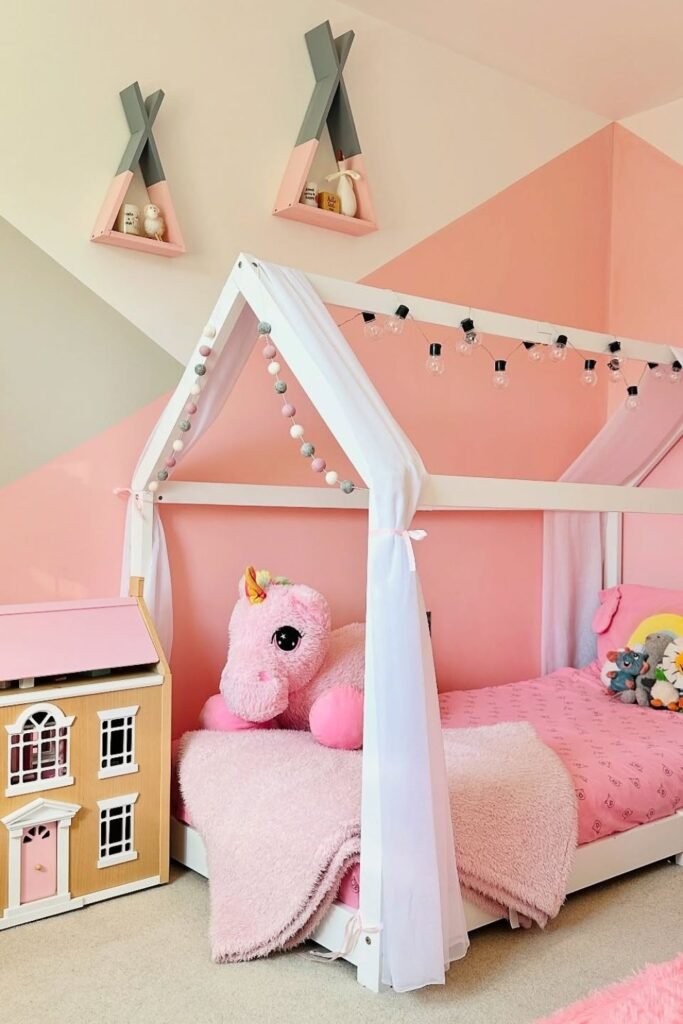
Play Sleep
Beds that double as play spaces work best once sleep stops being the only priority.
A house-style frame transforms the nightly ritual into a reassuring experience, particularly for little ones who fight sleep.
Gentle curtains and twinkling string light and creates a snug atmosphere with out shutting the space in.
Gentle Glow
Soft lighting turns bedtime into a calmer moment instead of a struggle. And warm string lights paired with light fabric give just enough glow to feel safe.
Without overstimulating the space. A bed frame with a distinctive design can really set the tone for a bedroom, particularly in spaces where privacy is a concern.
Plus a lower profile is a practical choice for tiny ones and giving them a sense of freedom when they wake up at night.

Soft Retreat
Bedtime feels easier when the space looks inviting instead of busy. A low upholstered bed paired with a light canopy creates a tucked in feeling without closing the room off.
Natural light streaming in from the window prevents the room from seeming oppressive during the day. At night the soft lighting creates a cozy atmosphere.
This configuration is ideal for toddlers moving from a crib providing a setting that feels secure yet mature.

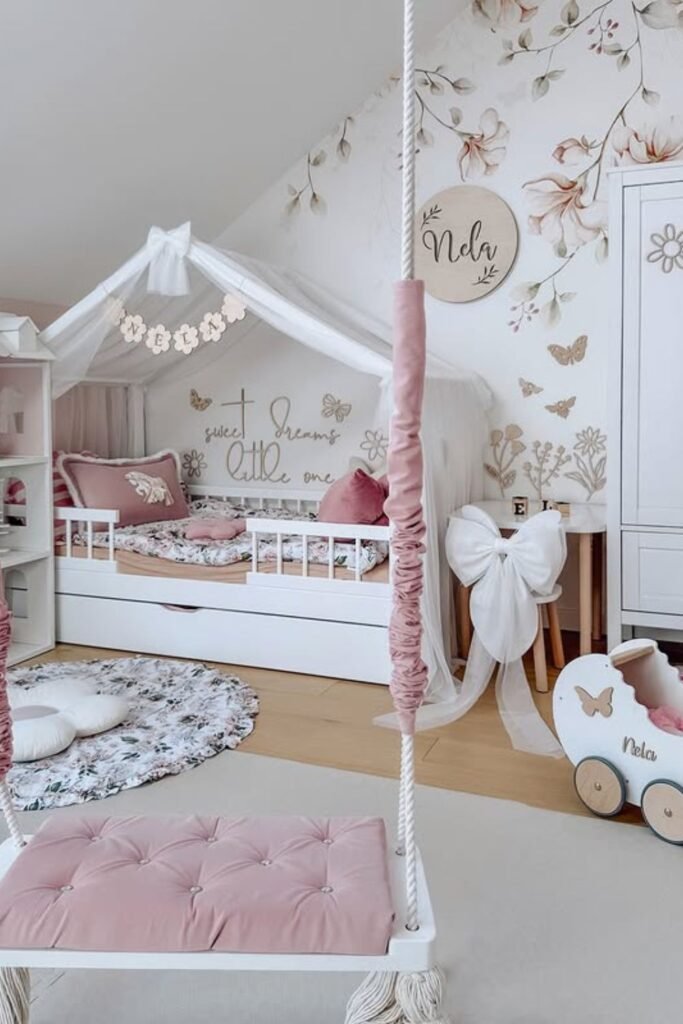
Play Balance
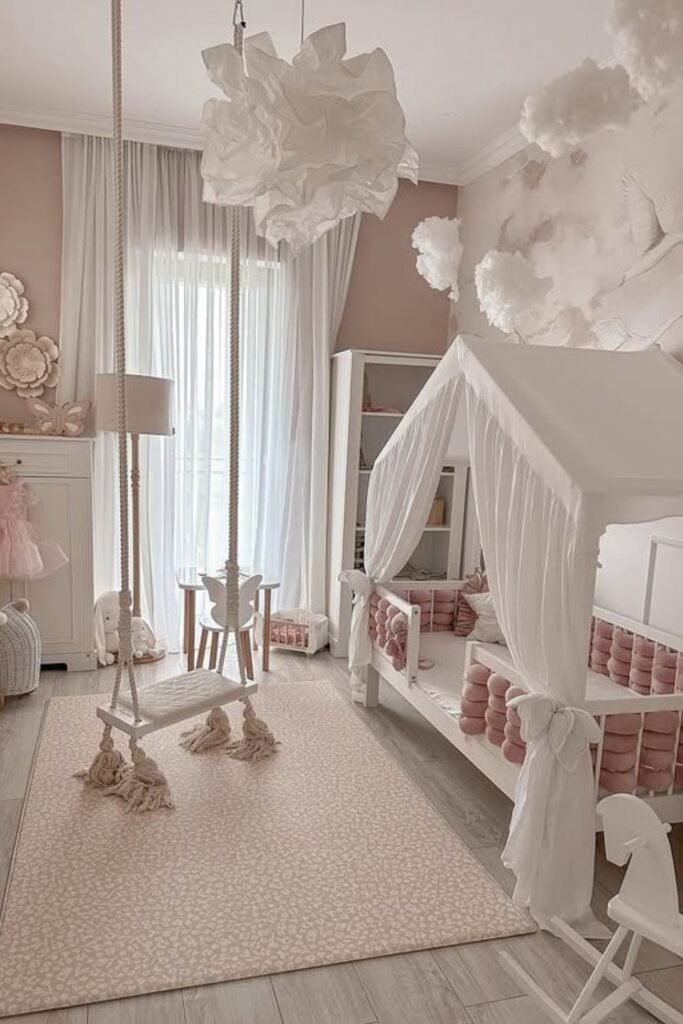
Swing seating instantly changes how a room feels by giving kids a place to move without leaving the space.
Suspending it above a plush rug protects everything and gives play a purposeful feel, rather than a chaotic one.
A bed positioned close by provides a clear distinction between rest and play, even without physical barriers.
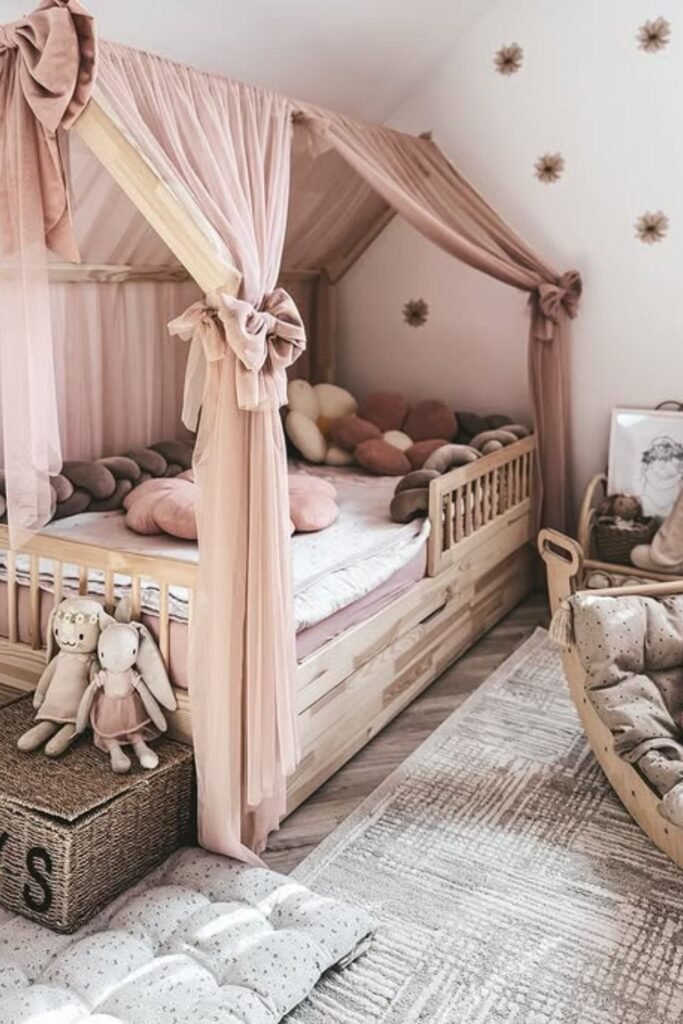
Dream Space
Canopy beds instantly turn sleep into something your child looks forward to instead of resists.
Lightweight materials lend a softness to the space, while wooden frames provide a solid anchor, preventing the room from veering into the realm of excessive cuteness.
Floor beds are ideal, particularly for young children who appreciate a measure of autonomy when it comes to sleep.
Smart Loft
Vertical beds solve space problems without making the room feel tight. A raised sleep area opens up the floor for play, storage or a reading spot.
In smaller spaces, certain design choices are key. Built-in ladders are a smart way to save space, and using lighter colors helps the structure blend in, avoiding a heavy look.
Positioning the piece near a window or other source of natural light is also beneficial; it mitigates the verticality and keeps the area from feeling cramped.

Classic Calm
Soft symmetry makes a nursery feel peaceful the moment you walk in. A crib placed as the visual anchor.
Keeps the layout balanced. Matching furniture flanking a focal point brings order without overwhelming the room.
Upholstered furniture or the layered fabrics bring a comforting softness and great addition during those long feeding or calming moments.

Soft Movement
Gentle movement offers children a means to expend energy without the usual upheaval.
A swing, positioned on a soft rug and provides a secure play space that remains tranquil.
Having the cot close by allows for a seamless blend of playtime and naptime inside a same area.
Quiet Play
Structured play feels calmer when everything has a place. A dedicated dollhouse zone near natural light keeps toys visible but contained.
It keeps things from getting out of hand, which is a plus. Low furniture is a win for kids and giving them easy access to their books and toys.
This approach is especially useful in smaller or shared spaces, where playtime needs to be organized and purposeful.

Reading Nook
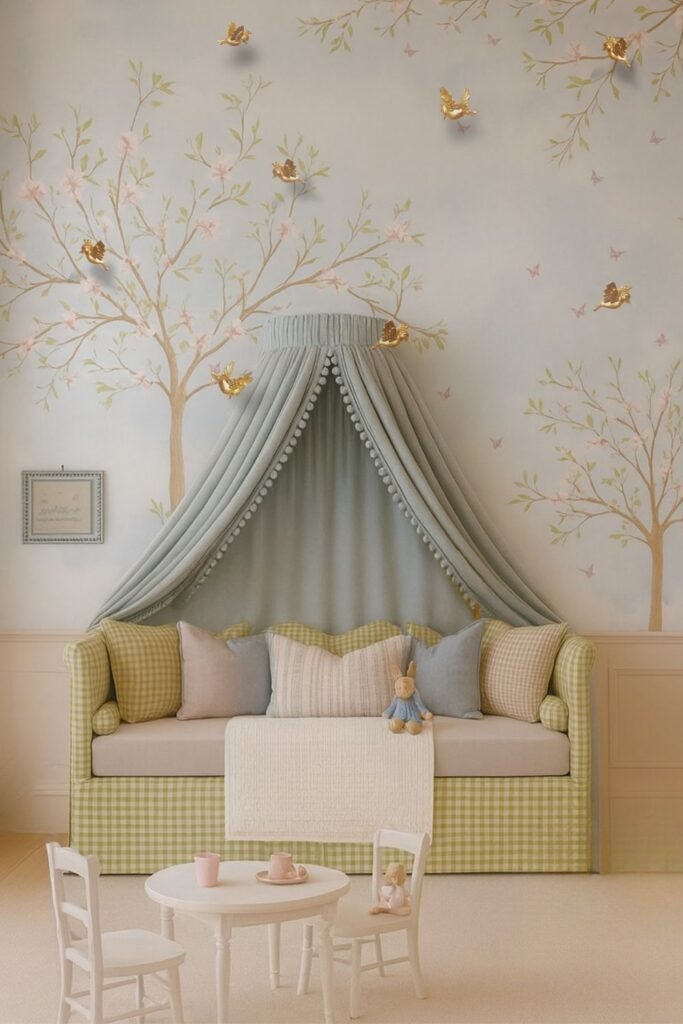
Quietude deserves its own space, particularly as the din of fun escalates. A cushioned bench, crowned with a gentle canopy or beckons with an invitation to relax.
Browse through pages and ease into the evenings calm. Positioning it against a mural or wallpapered wall transforms the nook into a visual respite, keeping things tidy.
This concept shines in those awkward wall spaces where a full sized bed or cot simply won’t work yet a sense of tranquility is still desired.
Soft Simplicity
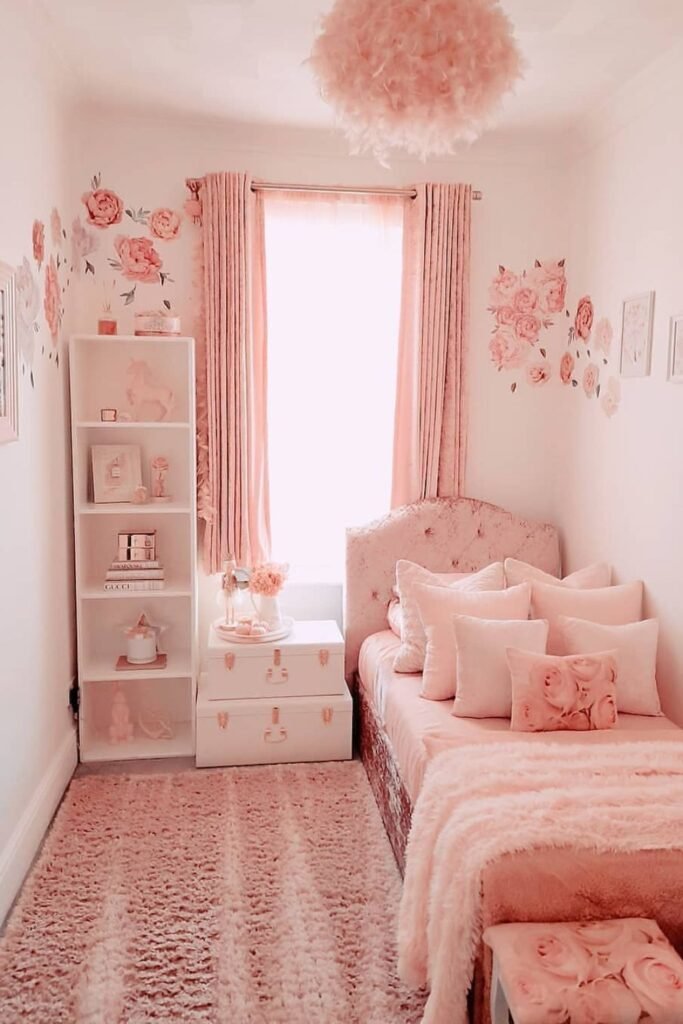
Small rooms feel bigger when the bed stays slim and everything else stays light. A single bed tucked along the wall opens up the center for movement while feeling cozy at night.
Layered pillows and soft textures bring a sense of comfort without overwhelming the area.
To make this work in a narrow room where every inch counts, its better to keep storage vertical rather than spreading it out horizontally.
Window Nest
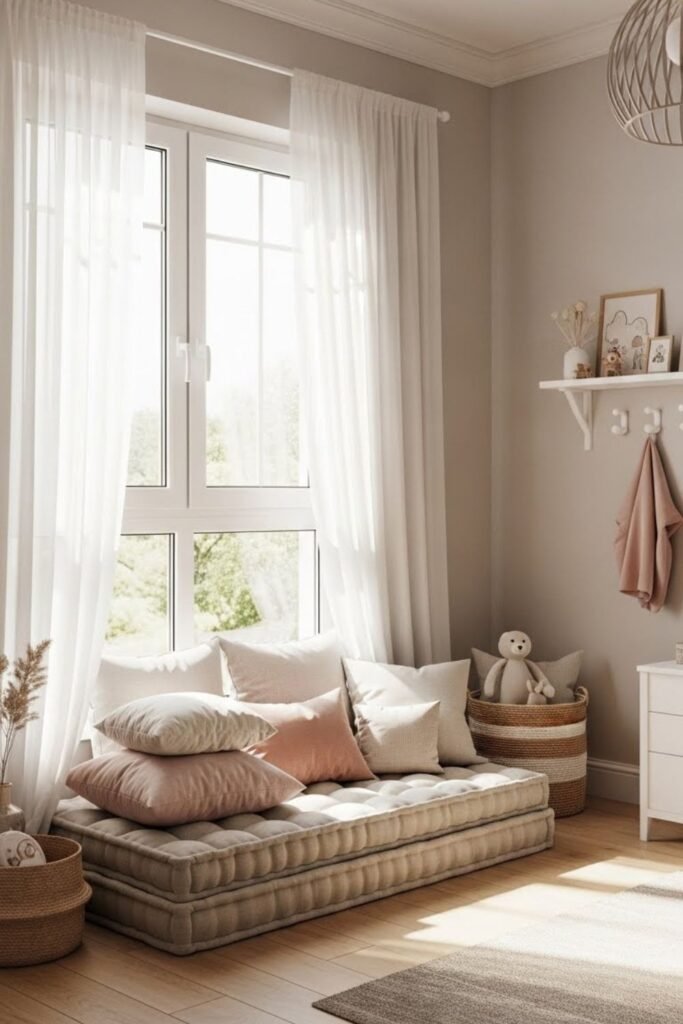
Natural light becomes useful when the area around it has a purpose. A low bench or mattress near the window turns an overlooked spot into a quiet rest zone.
Sheer curtains gently diffuse sunlight, brightening a space without making it feel dim. This is particularly effective in rooms that feel a bit cramped.
Creating a serene environment for your infant that subtly distinguishes it from spaces designated for sleep and play.
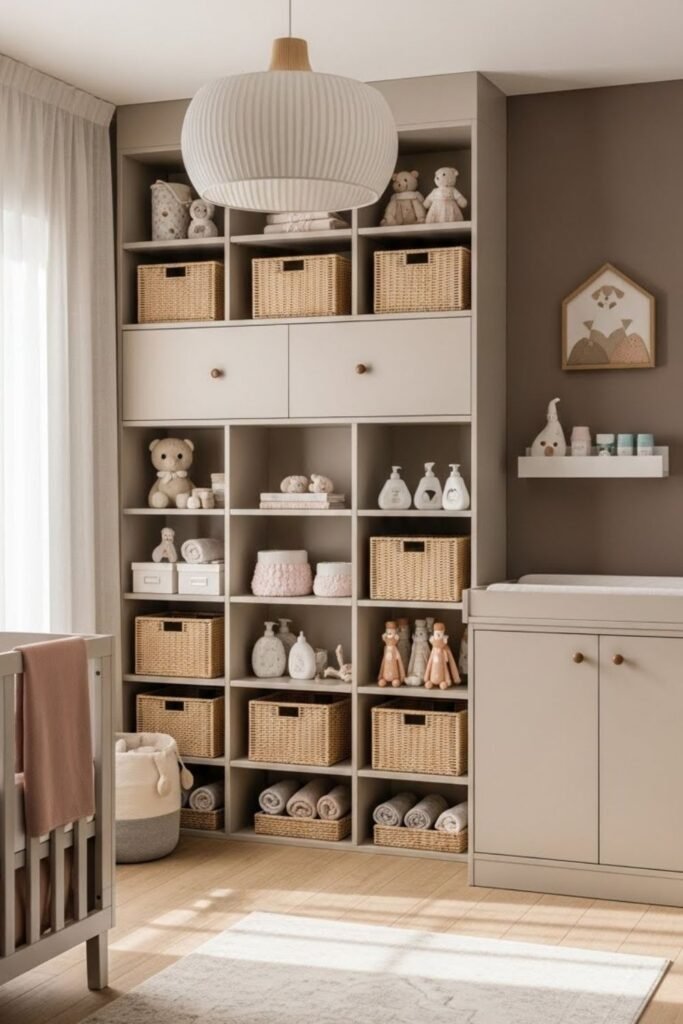
Storage Wall
Clutter stays under control when storage runs vertically instead of spreading outward. A full-height wall of baskets, cubbies, or closed cabinets.
Keeps baby gear within reach, freeing up floor space. The neutral palette keeps the walls from looking cramped. This approach is ideal for shared spaces or nurseries.
Designed for the long haul, as the storage adapts to your childs changing needs, eliminating the need for frequent rearranging.
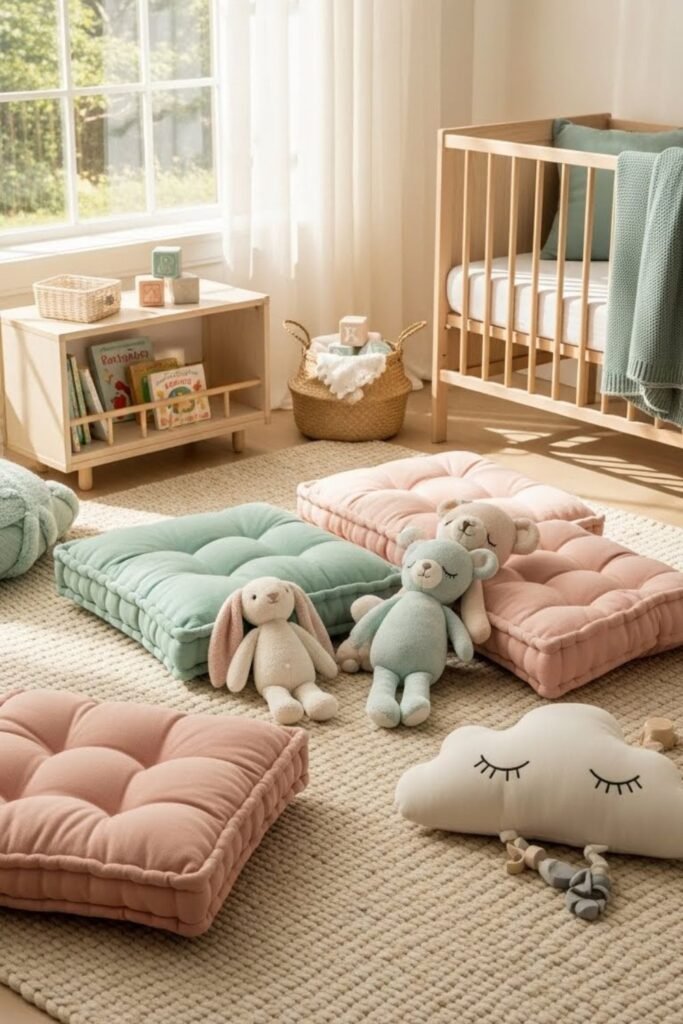
Floor Focus
Ground-level design helps rooms feel calmer and safer at the same time. A thick rug, low cushions and soft toys create a natural activity zone without furniture borders.
Babies are more adventurous when they can easily access their surroundings. This setup is ideal for smaller areas.
It offers a clear purpose and going beyond mere sleeping quarters even when adding more furniture can seem likes a squeeze.
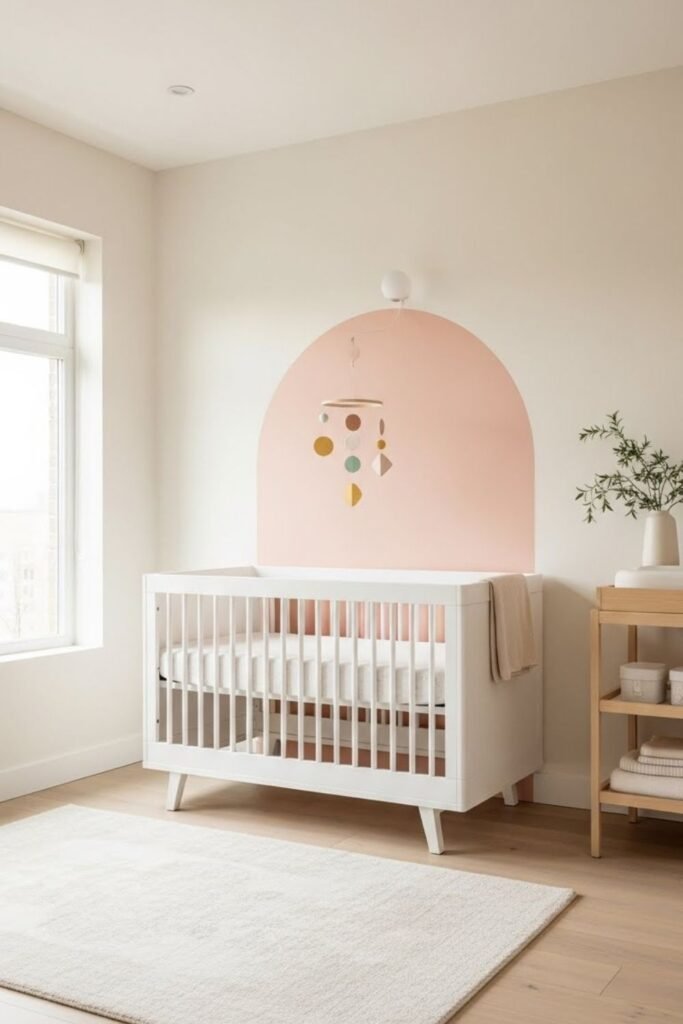
Color Break
Soft contrast helps a room feel designed without relying on décor overload. A single color shift like and half painted walls or a gentle arch behind the bed creates visual structure.
This method is particularly effective in rental properties, where wallpaper can be a no-go. A room can really come alive with paint, and the best part.
It’s simple to change things up down the line, without the hassle of swapping out furniture or decor.
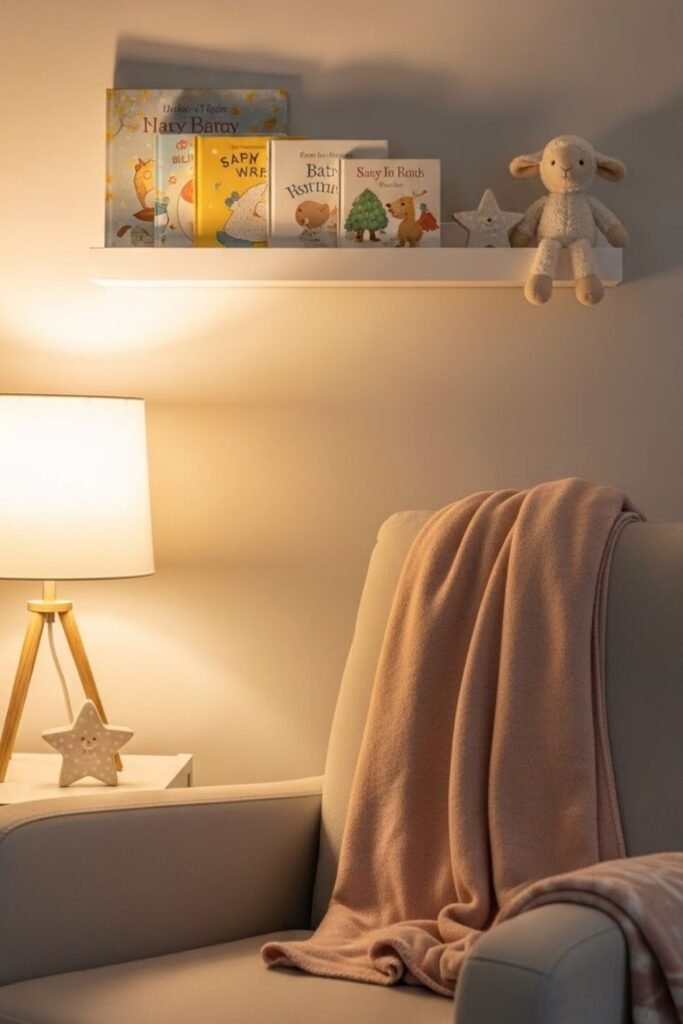
Quiet Shelf
Books and comfort items feel more special when they aren’t mixed with toys. A narrow shelf placed near the bed or chair.
That creates a simple wind-down zone.Keeping the number of items small prevents clutter.
This approach is particularly effective for infants adjusting to schedules, subtly indicating the shift from playtime to naptime.
Texture Layer
Flat rooms feel unfinished no matter how pretty the colors are. Mixing textures knit, wood, linen, soft upholstery adds depth without adding noise.
Textures shine in neutral nurseries, particularly when color palettes are kept simple. This design choice is ideal for parents seeking a cozy atmosphere.
Without overwhelming visual distractions, resulting in a room that is both welcoming and soothing from the very beginning.
FAQs
How do I keep a baby girl room from feeling cluttered as she grows?
Clutter usually happens when every phase adds more items instead of replacing old ones.
The simplest solution is to assign a single function to each area: sleep, play, or storage. Then, refresh the space every few months.
When a new item arrives something else must depart. Rooms remain peaceful when growth is intentional rather than simply adding to existing clutter.
Can a baby girl room still feel feminine without using pink?
Indeed. Softness isn’t solely about color it’s about the interplay of textures and forms. Think curved furniture layered fabrics, and soft lighting.
Add in floral or nature-inspired elements, and you have got a feminine vibe that doesn’t depend on pink walls or overly feminine décor.
When you prioritize how a room feels over how it might photograph for social media, the space retains its warmth and timelessness.

Hi, I’m Afaf! I’m a law student who loves writing about everyday life – from home projects and crafts to fashion, beauty, and parenting tips.
I’ve been writing for over a year, sharing ideas that are simple, practical, and easy to try. I write about things I find interesting and useful, whether that’s organizing a space, trying a new DIY, or finding activities to keep kids entertained.
My goal is to share helpful ideas without making things complicated. If it works in real life, I’ll write about it.
When I’m not studying or writing, I’m usually experimenting with new projects or scrolling for inspiration!