
26 Art Projects For Kids For 2026
You want your children to explore their creative sides, but the instant you start looking for art projects, it all seems overwhelming.
The fancy materials, the elaborate setups, and the projects that look perfect online but inevitably flop at home.
And your child is already restless, leaving you just wanting something that actually works. If this resonates, you’re in the right spot.
In this article, you’ll learn 26 Art Projects For Kids that fit today’s homes and routines in 2026.
Let’s jump in!
What Are The Best Art Projects For Kids At Home?
The most enjoyable art projects at home are the ones that seamlessly integrate into your everyday life, rather than requiring a pristine environment.
Projects that demand specialized tools or constant adult supervision quickly lose a child’s interest. The key is to keep things accessible and uncomplicated.
Drawing, coloring, cutting, and pasting provide children with the freedom to create without feeling constrained.
When they can select their own colors and shapes, they’re more likely to remain focused.
Save this article for later!👇👇👇
Which Art Projects Use Simple Household Materials?
If a trip to the store isn’t in the cards, begin with what’s already on hand. Paper, cardboard, those old magazines, crayons, markers, glue and scissors they’re all you need.
When children work with familiar materials, they’re more likely to experiment independently.
Cardboard boxes transform into playhouses, paper scraps evolve into collages, and empty rolls become characters.
Keeping materials readily available make starting an art project feel effortless not over whelming.
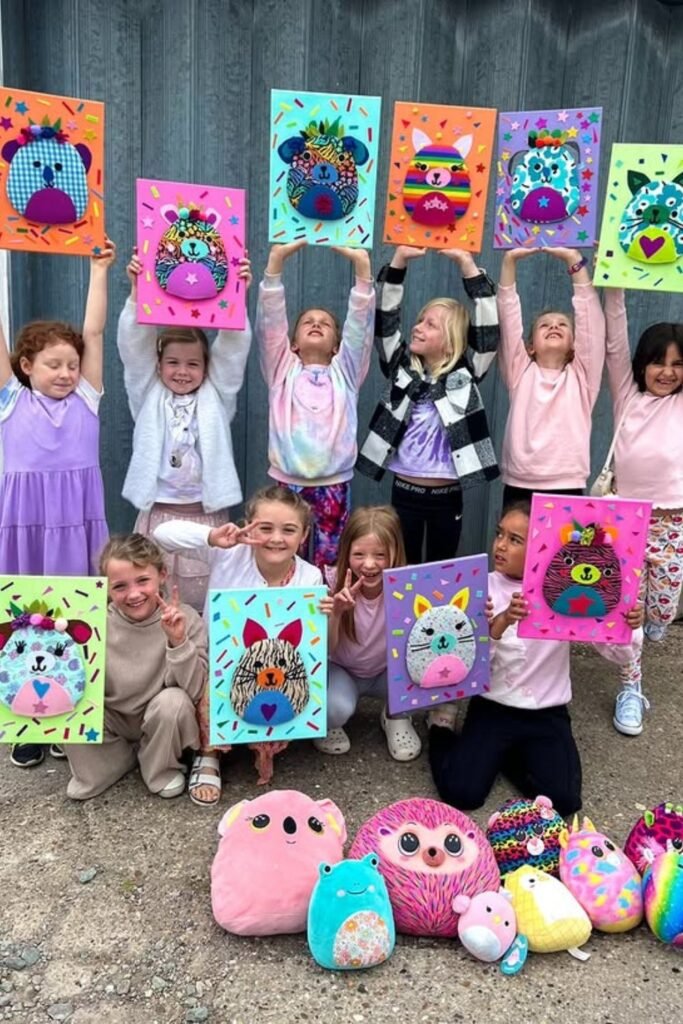
Animal Collage
Bright paper and textured scraps turn simple animal faces into something kids feel proud to hold up.
This approach shines in the group environment think classrooms parties or playdates since each child can select a unique animal and color scheme.
Begin with a simple face outline, and then give the kids the freedom to add patterns, foam shapes and stickers as they please.
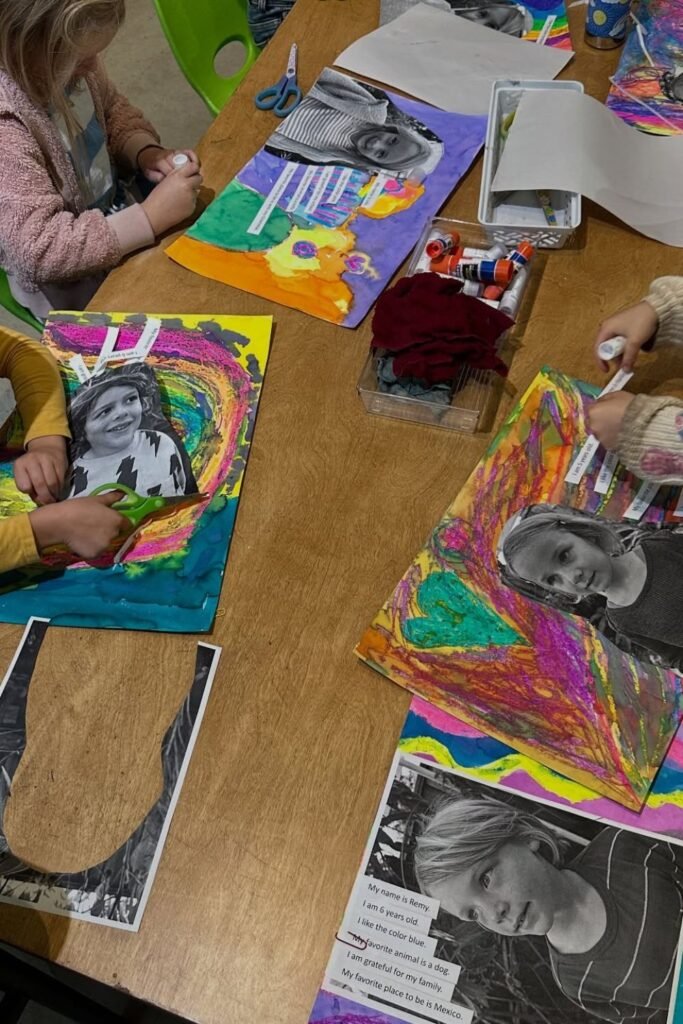
Self Portraits
Faces feel more meaningful when kids mix them with color and texture. This works well for classrooms or quiet afternoons at home.
It occupies small hands without rushing. Start with a black-and-white snapshot, then place it on a piece of paper that’s been painted or drawn on.
The final result feels real, not forced and the children actually love seeing their stories come to life on the page.
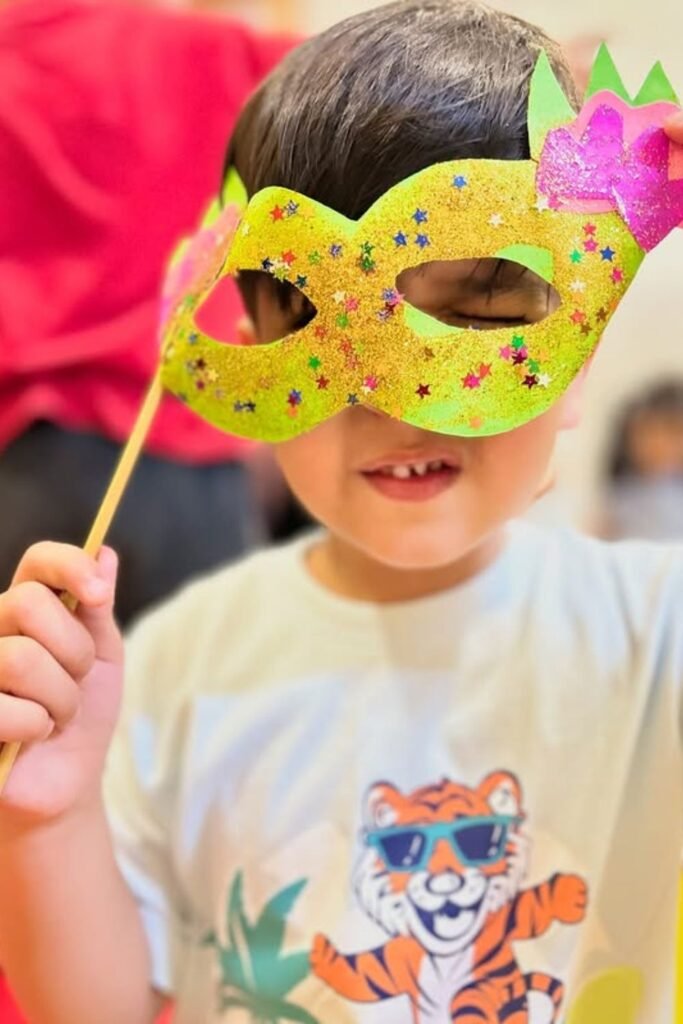
Mask Making
Dress up energy changes every thing. Glittery masks work best for parties pretend play corners or days when kid want movement not table time.
Cut out a basic mask design from cardstock. Attach some elastic or a stick, and then let the kids go wild decorating it with glitter, foam shapes, or stickers.
The art project seamlessly transforms into play after the mask is finished, which keeps the kids occupied for much longer than the initial crafting.
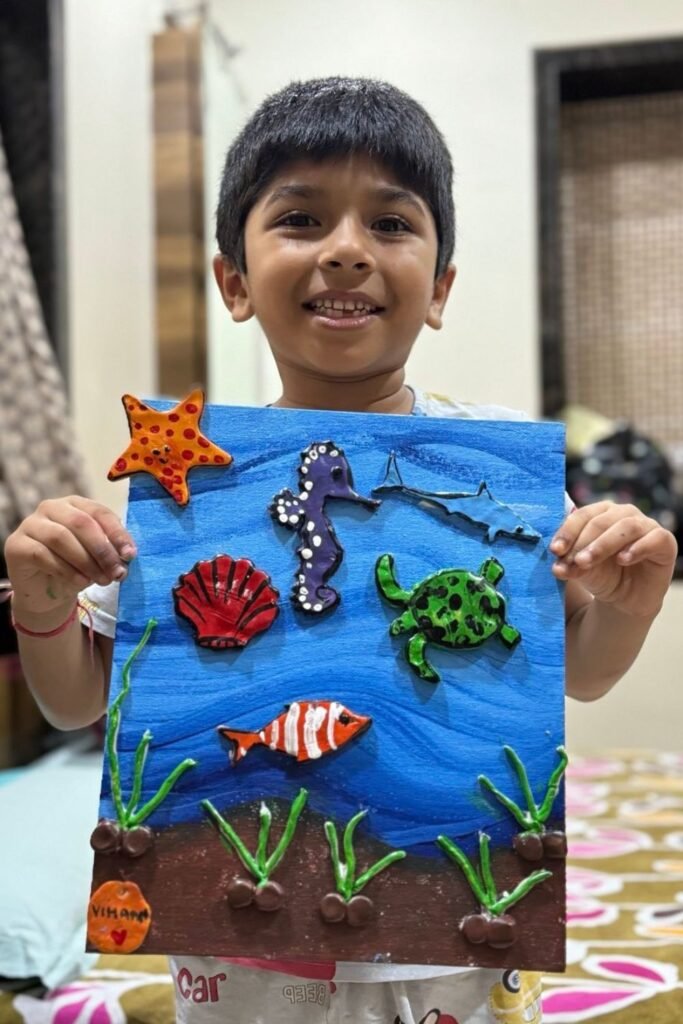
Ocean Relief
Texture makes this one feel special the moment kids start pressing shapes down. Sea scenes work great for quiet afternoons because the focus stays on building not rushing.
Craft fish, shells and plants using air dry clay or thick paint and then affix them to a painted surface. Allow the pieces to cure completely.
The three-dimensional elements will captivate children for a longer period, and the finished artwork will have a durable treasured quality.
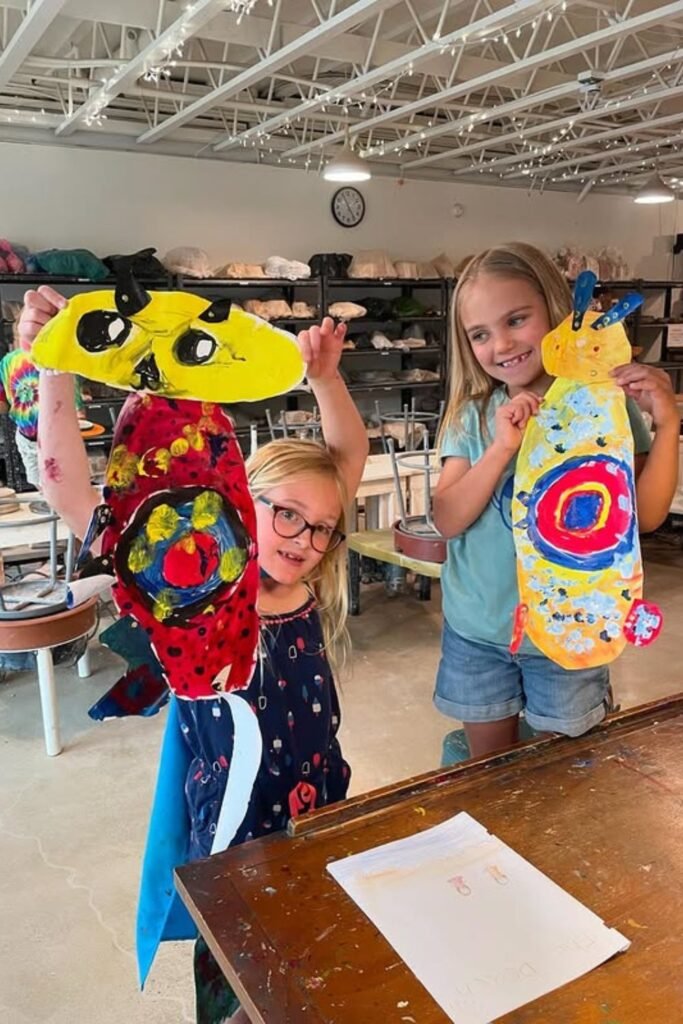
Cardboard Creatures
Big shapes invite bold choices and zero pressure. Oversized cut-outs work best in art rooms or garages where kids can paint freely without worrying about edges.
Snip out basic animal or creature forms from cardboard. Next, gather some heavy paint and broad brushes.
When everything dry, the kids may pick them up, manipulate them and transform their completed artwork into immediate storytelling tools.
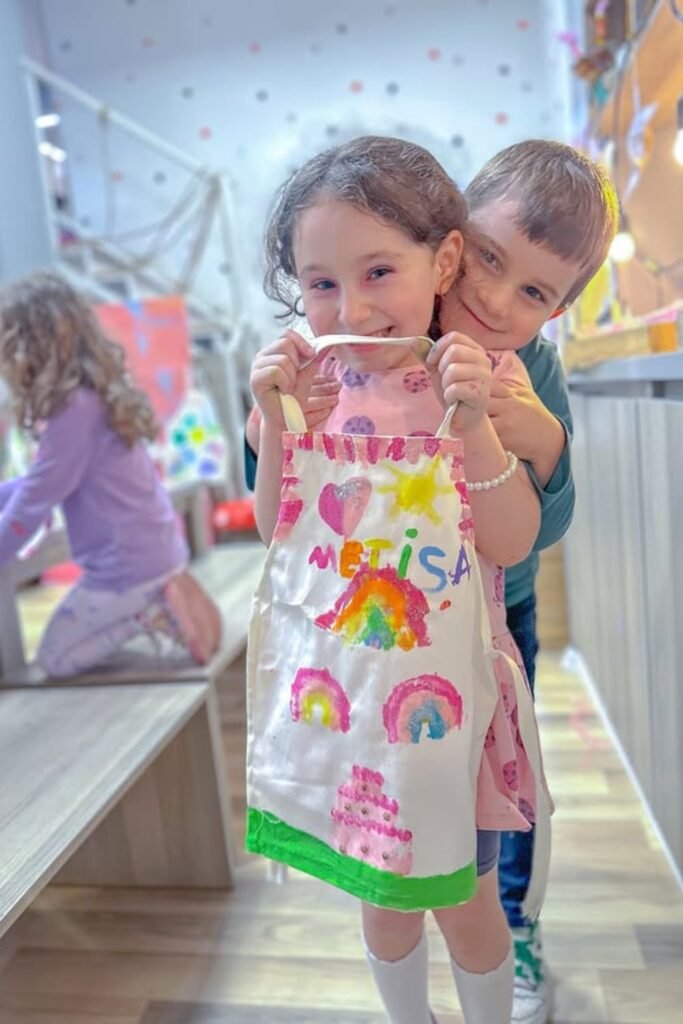
Painted Bags
Wearable art hits different because kids see it leave the table and go into real life. Fabric bags work best for birthdays, school projects, or gift-making days.
Using fabric paint or markers, kids can transform basic canvas bags into personalized treasures.
Once the paint dries, the bags become functional and the kids feel a sense of accomplishment each time they use them.
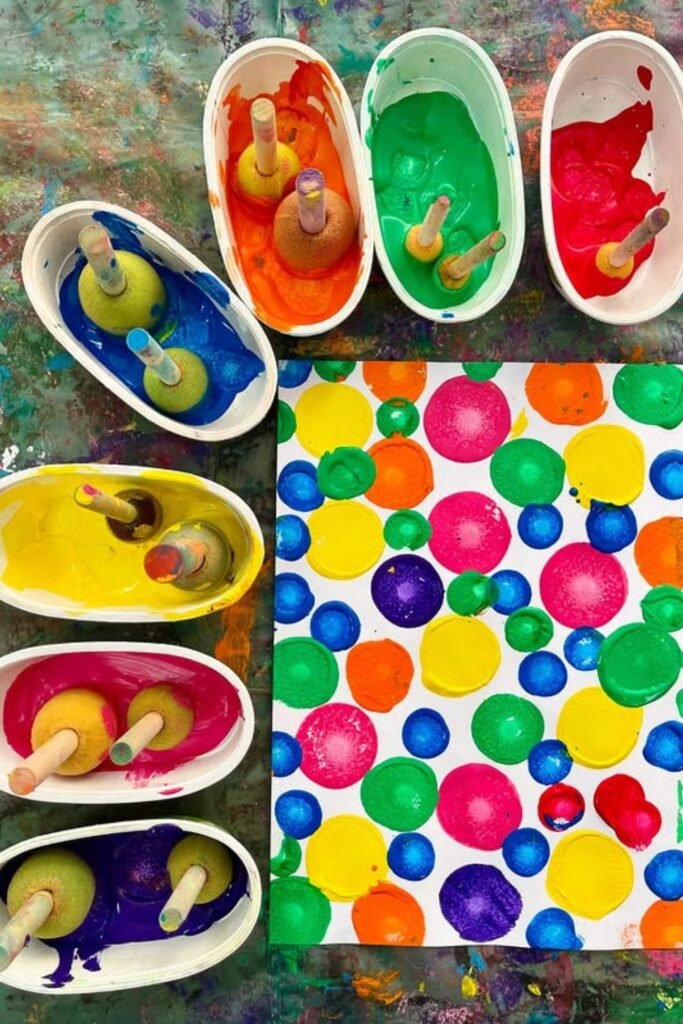
Dot Painting
Circles made with sponges keep kids focused without needing drawing skills. This activity fits perfectly on rainy days or short attention spans.
The repetitive nature of the activity is soothing. Simply cut kitchen sponges into little circles, dip them in washable paint and press them lightly onto paper.
The thrill of switching colors is a plus, and the overlapping dots take away the burden of perfection, allowing children to unwind and have fun.
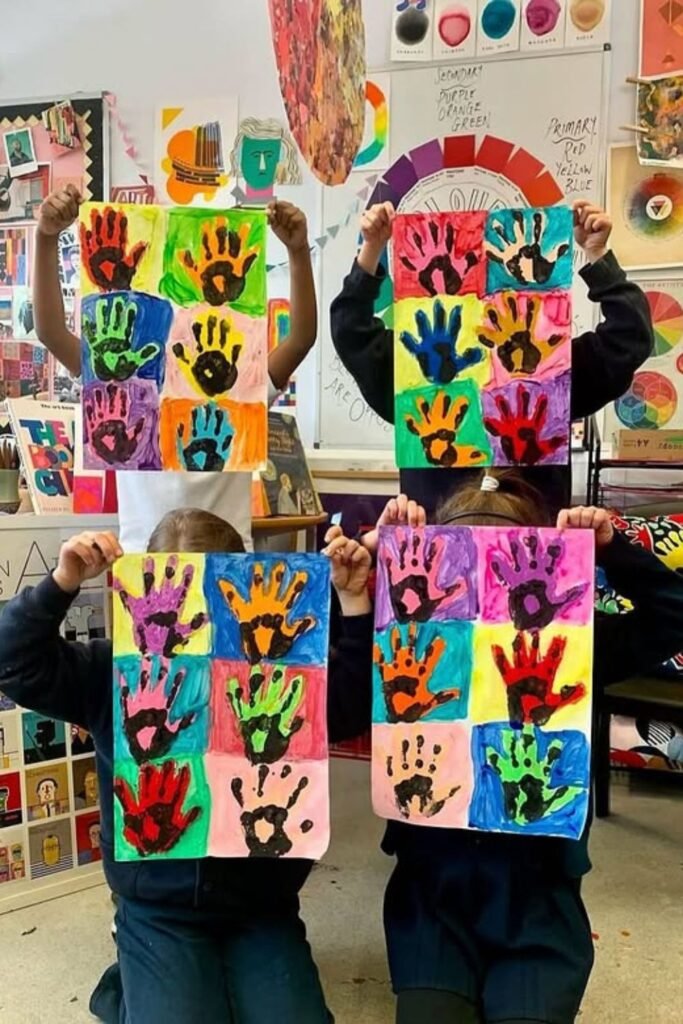
Hand Prints
Tiny hands turn into bold hookup art the moment paint hits skin. This idea works best for classrooms or sibling projects where everyone creates one square.
Choose a handful of vibrant hues, then paint your hands and press them onto paper that’s been sectioned off.
The finished product is undeniably personal, a delightful mess, and something you’ll want to hold onto far beyond the drying time.
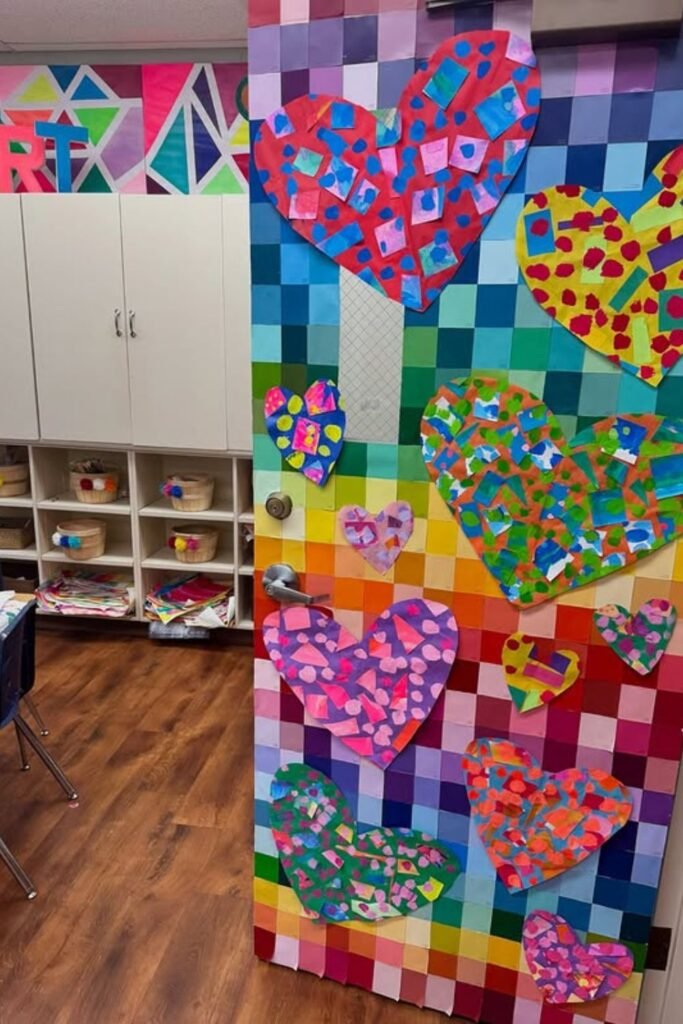
Paper Mosaic
Small pieces add up fast when kids work together. This idea shines in classrooms or group spaces where everyone contributes a little.
Cut scrap paper into rough squares, then choose a simple shape a heart, perhaps and let the kids go to town with glue and color.
The resulting wall piece, when finished, seems like a community effort, vibrant and full of meaning, without requiring anybody to achieve perfection.
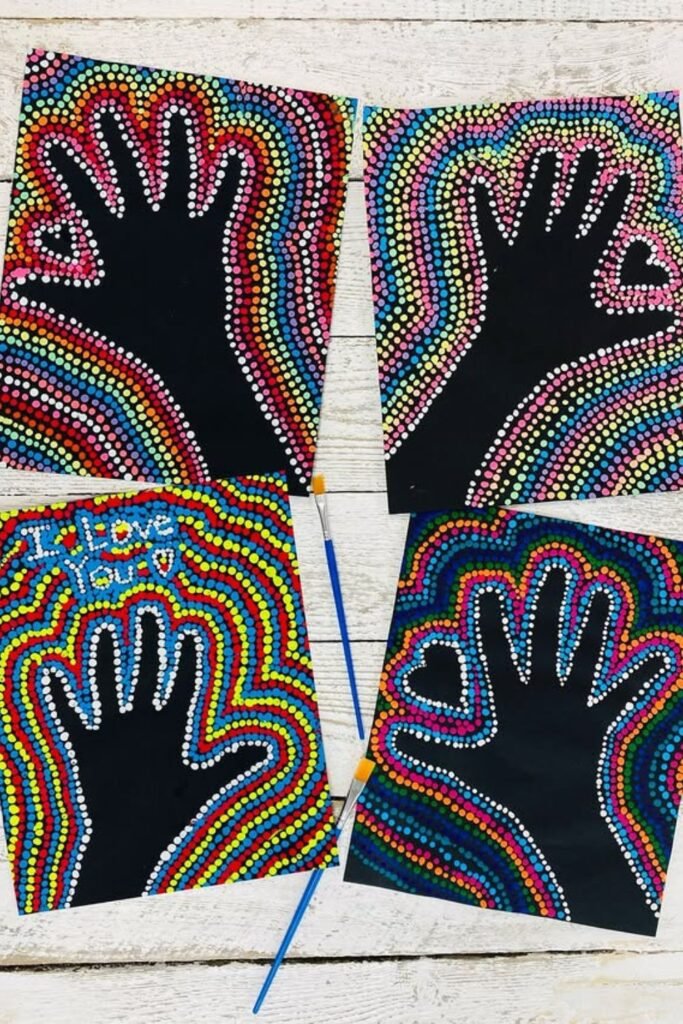
Dot Hands
Rainbow dots pull kids in without asking for perfect lines or steady hands. This works beautifully for calm table time or one on one activities.
Draw a hand on dark paper. Next, grab some cotton swabs or the brush’s end and start dotting outward, using whichever colors you prefer.
The spacing and patterns will develop organically. Kids tend to stay engaged longer this way since each dot feels like a step forward.
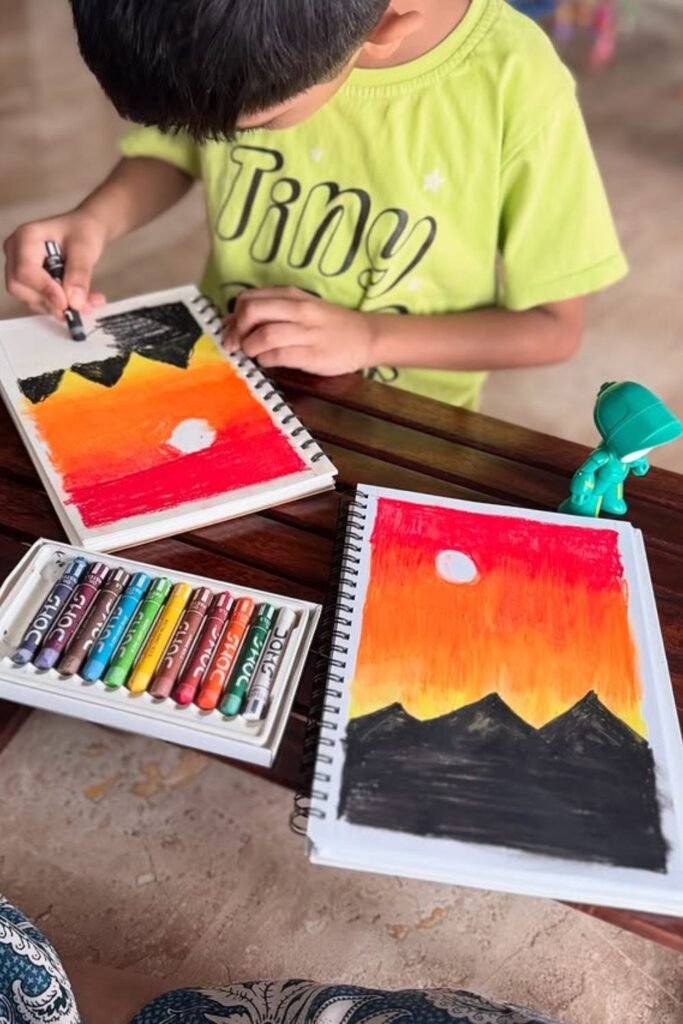
Sunset Blends
Color transitions are pure magic for children especially when they witness one hue seamlessly dissolve into another.
Warm sunset are ideal for this as the blending process itself becomes the enjoyable aspect.
Start with oil pastels or crayons, beginning with the lightest color and progressing to the darkest filling the entire page.
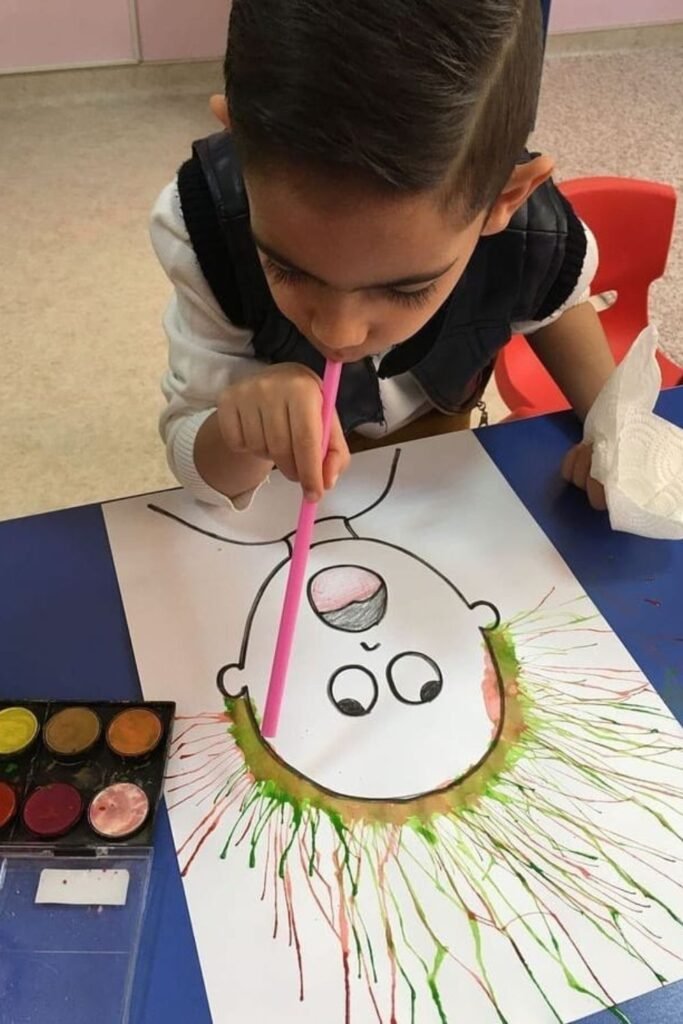
Blow Painting
Breath turns paint into motion and kids love the instant surprise. Straw blowing work best for the high energy day if sitting still feels impossible.
Splat some watery paint around a basic face or shape then have the kids blow in various directions to make crazy patterns.
The outcome shifts with each breath, so its not about precision; the fun lies in the exploration which keeps them engaged the whole time.
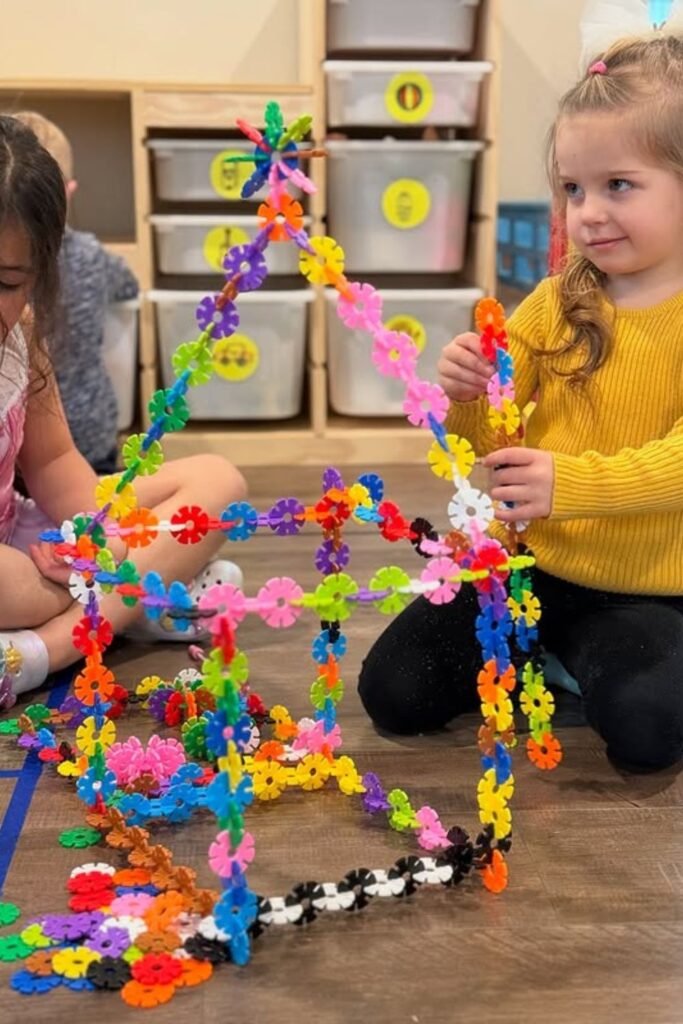
Build Structures
Hands-on building pulls kids into problem-solving without them realizing it. Interlocking pieces work best on the floor.
Where kids can move, test ideas, and start over easily. Let them build whatever they like skyscrapers, houses, or something entirely different.
When things come crashing down, that just part of the game. This kind of open-ended building keeps kids entertained far longer than any pre-set craft project.
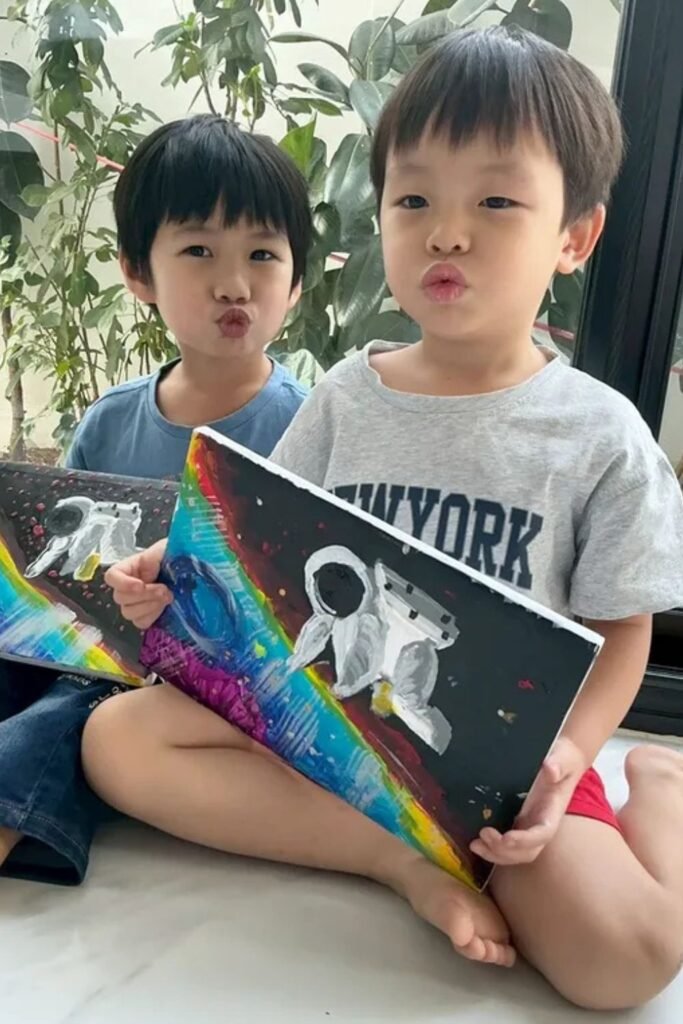
Space Art
Dark backgrounds make colors pop fast, which keeps kids excited from the first brushstroke. Space scenes work well for kids who love stories and imagination.
Begin with a black canvas, whether its paper or paint. Then, introduce vibrant streaks to represent planets, stars or even rainbows.
Astronaut figures can be easily fashioned from paper or painted with a carefree hand.
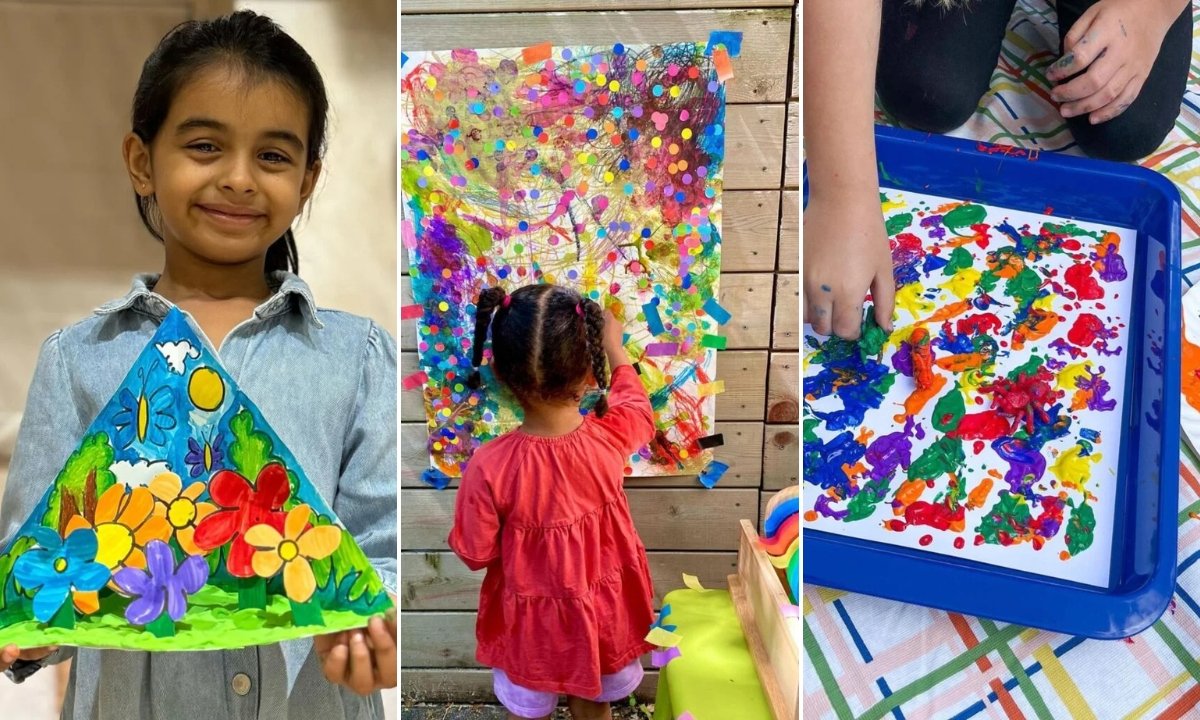
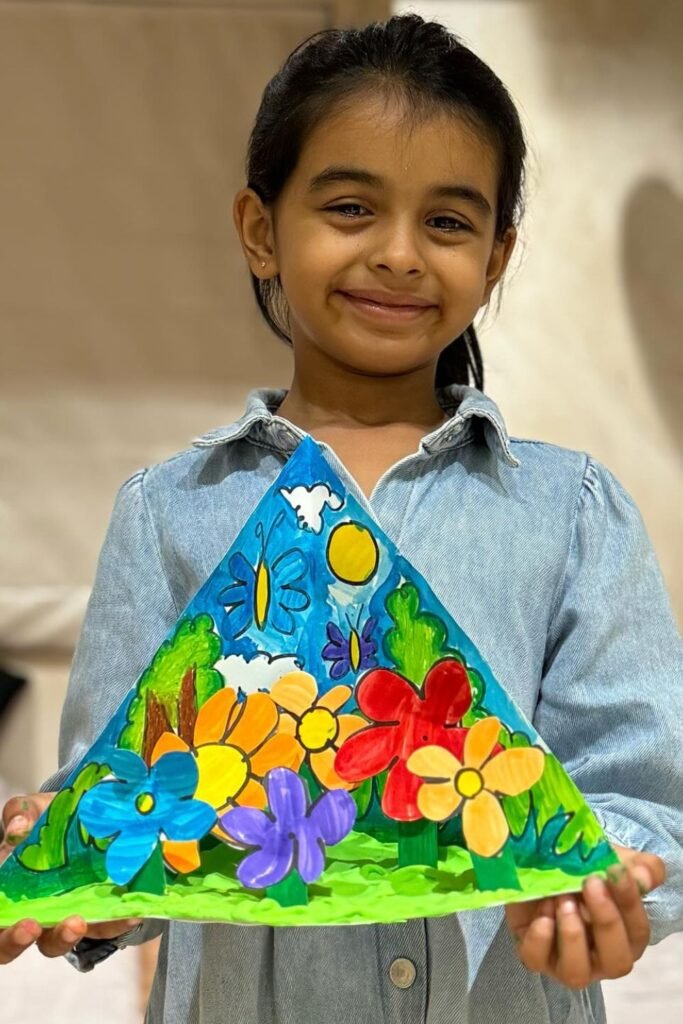
Garden Panels
Triangular paper instantly changes how kids think about space. Garden scenes fit well for calm afternoons when painting feel more relaxing than cutting.
Begin with a triangle snipped from cardboard. Next, fill it with vibrant flowers, grass and a sky all rendered in vivid hues.
This unconventional design elevates even the simplest drawings, making them feel unique and worthy of display all with out requiring much work.
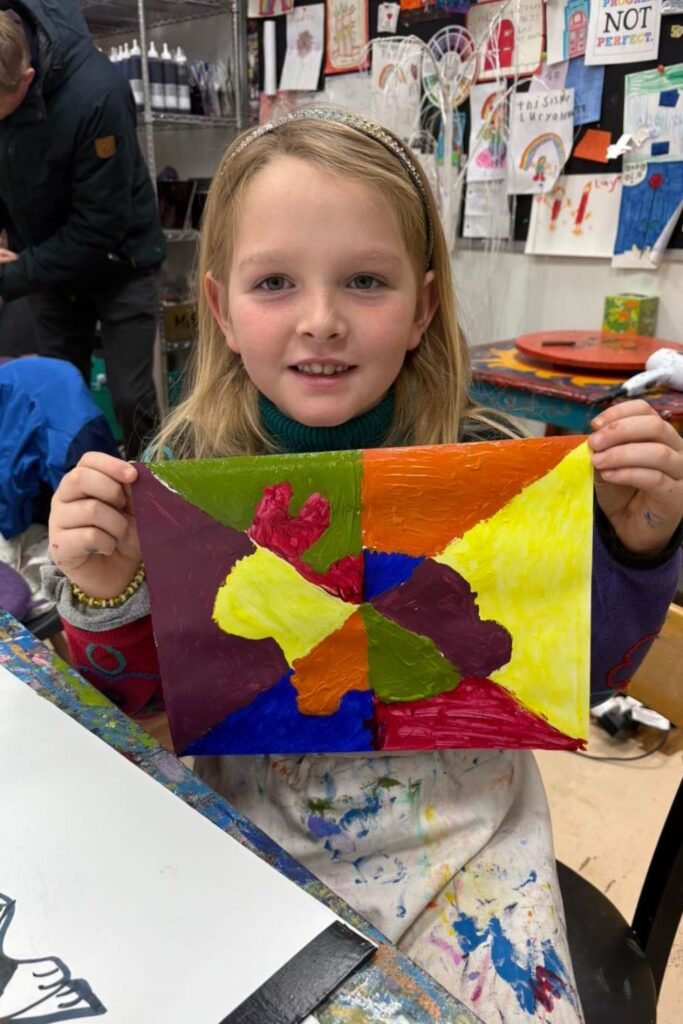
Color Blocks
Sharp sections give kids direction without taking away freedom. And divide the painting work well in classrooms or home setups where paint control matters.
Tape or sketch out portions on paper then let the kids go wild, filling each area with a different hue or texture.
Those bold blocks give the finished creations a certain confidence, even if the decisions are made on the fly.
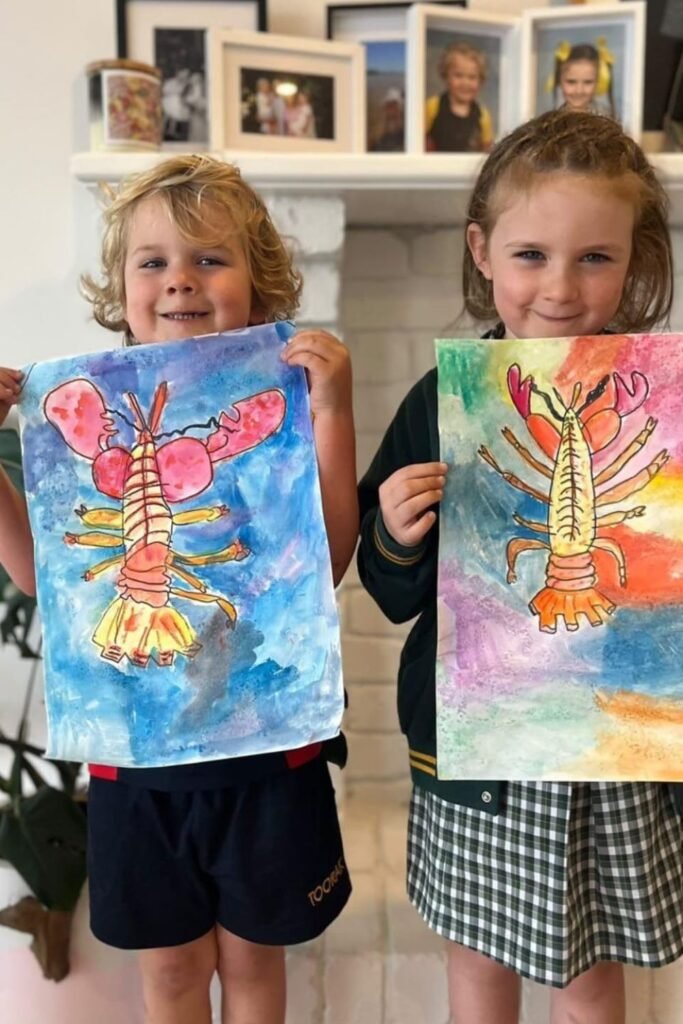
Sea Creatures
Bold outline simplify intricate animal drawings, making them accessible for young children.
Ocean creature are particularly effective if you want a framework but not rigid guidelines.
Start with a simple outline or template. Have the kids paint the background initially then let them add the animal. .
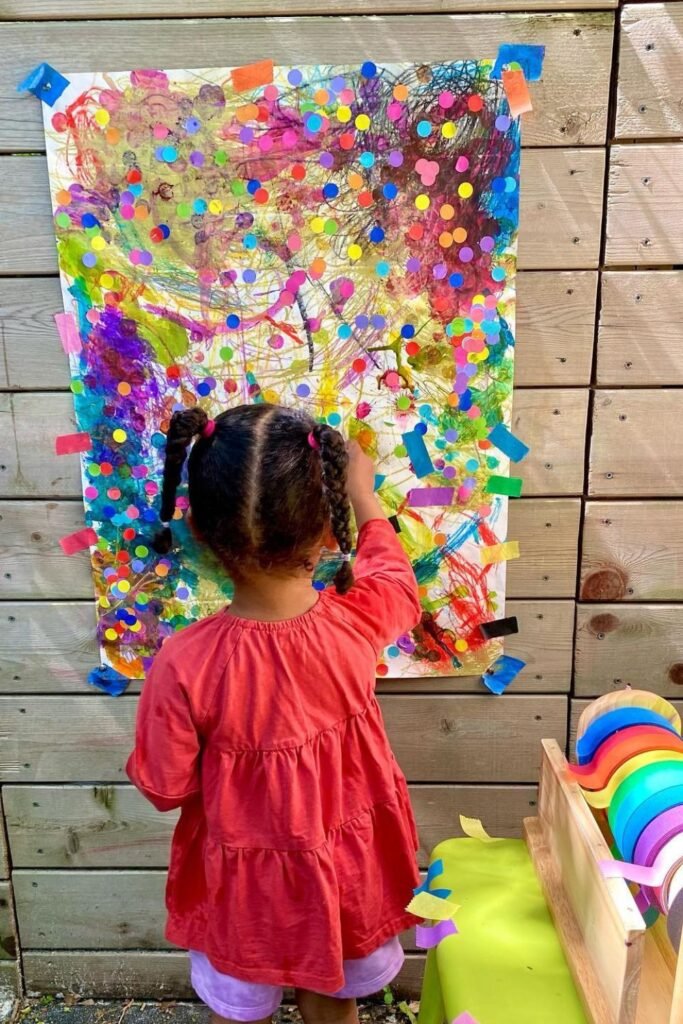
Wall Art
Big paper changes how kids move and think while creating. Vertical painting works best outdoors or in playrooms where mess is not a worry.
Tape a big sheet of paper to a wall or fence and then provide paint, stickers, or crayons.
Letting kids work standing up gives them the freedom to reach, stretch and build up layers.
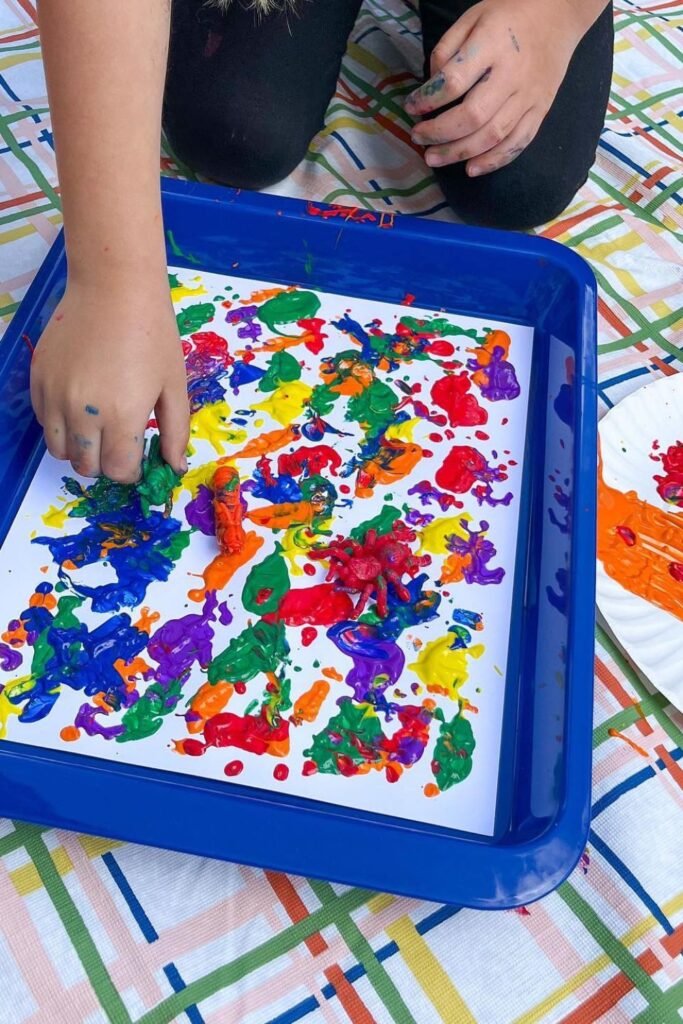
Finger Painting
Paint feels different when brushes stay out of reach. Tray setups work best for toddlers and younger kids because the mess stays contained.
Squeeze a little washable paint onto a sheet of paper and let your fingers take over. The fun is in the swirling, tapping and dragging of colors.
No blueprint is required it’s all about the movement, the mixing and the kind of concentration that only comes from getting your hands dirty.
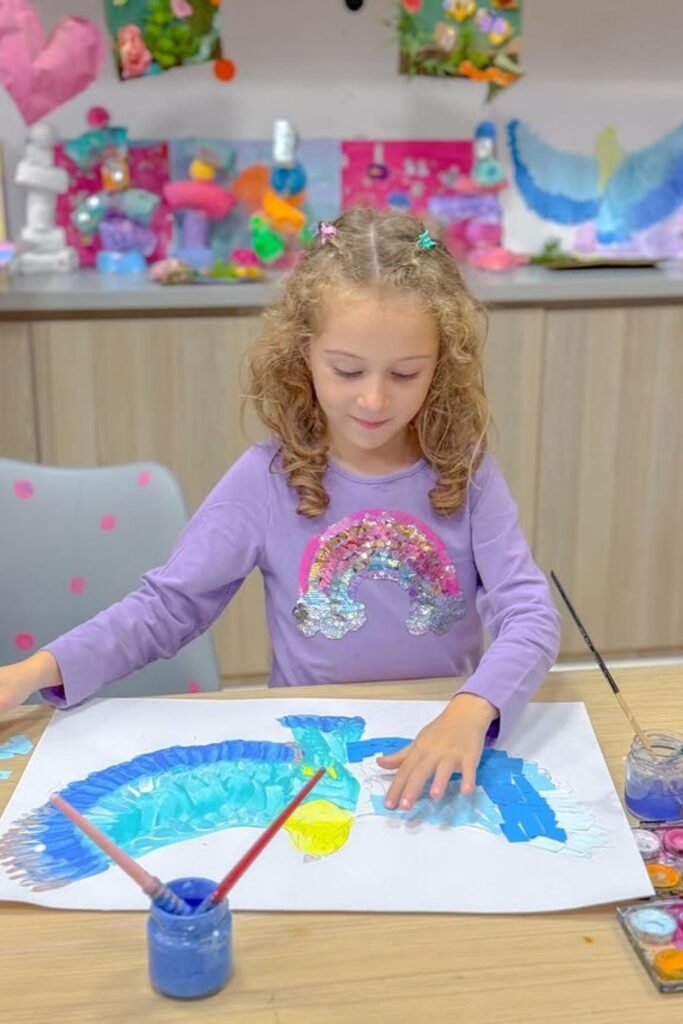
Texture Layers
Mixing paint with small paper pieces gives kids something new to explore. This activity works best at tables where kids can slow down and place things carefully.
Begin with a straightforward painted form. While the paint is still fresh, add layers of shredded paper, foil or tissue.
The act of pressing these elements into place is enjoyable, and the resulting texture gives the piece a sense of depth and finish all with out complicating the process.
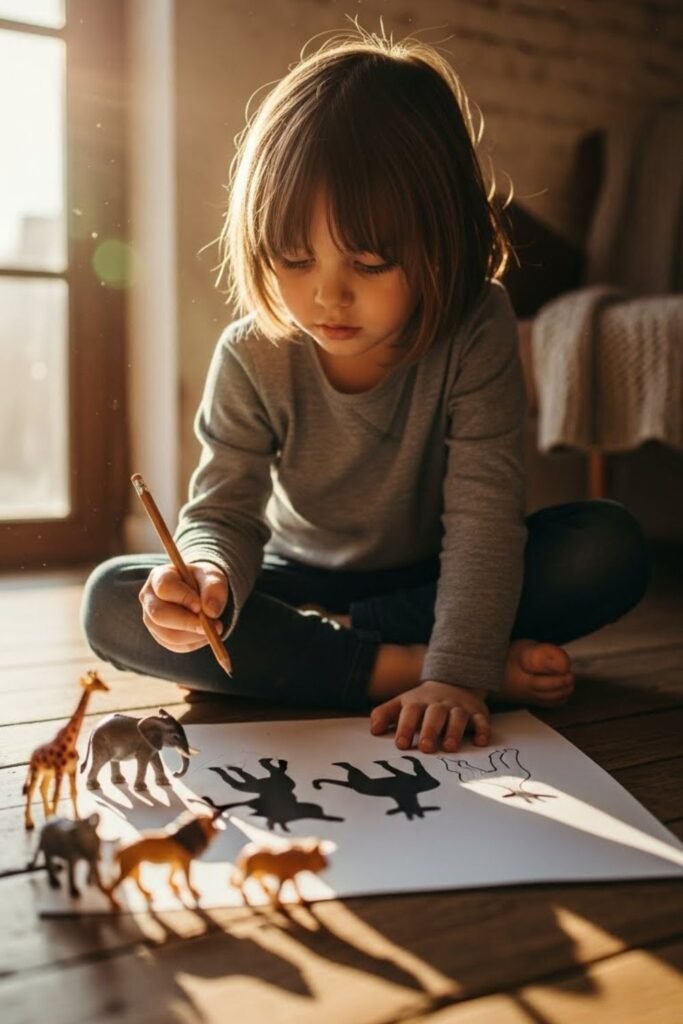
Shadow Drawing
Light and not paint is the medium. Position little figures close to a window or a lamp and then follow their shadow and they change.
The true pleasure comes from seeing these shapes grow and shrink. This technique works particularly well in the late afternoon when shadows stretch out slowly.
Children have a sense of capturing something fleeting which holds their attention far longer than a typical drawing session.
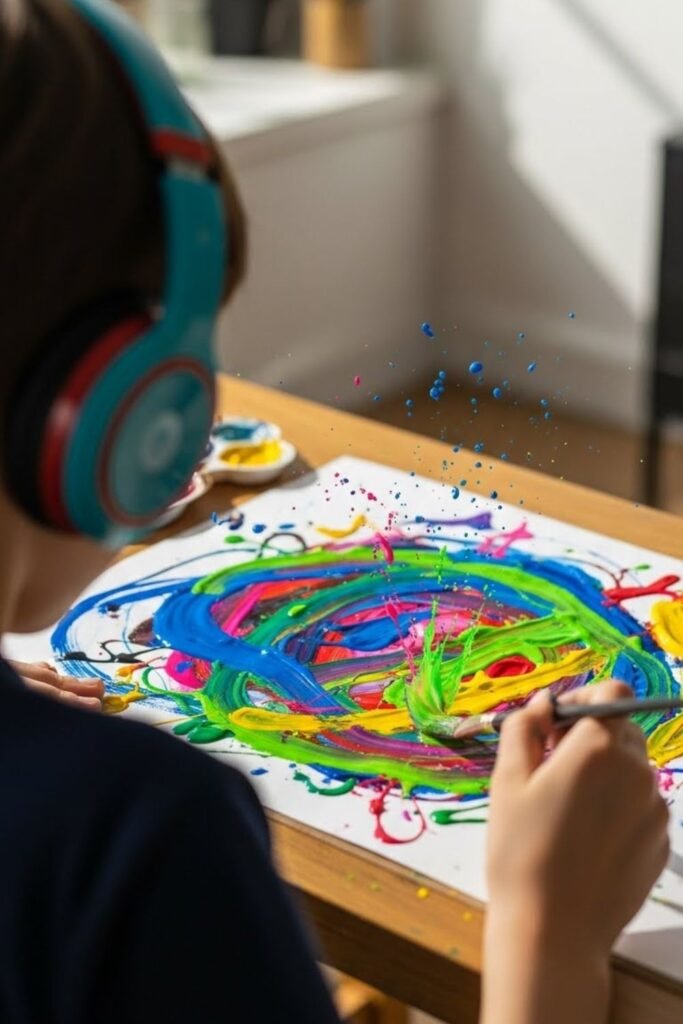
Sound Painting
The brush moves with the music, not a predetermined path. Play a mix of sounds gentle melodies, the patter of rain and energetic rhythms and let the kids paint their feelings.
Fast music creates defined shapes, while softer sounds soften the lines. Its about responding to the sound not replicating an image.
This approach is particularly effective for children who find it hard to know what to make and prefer a prompt that doesn’t require them to look at something first.
Reverse Coloring
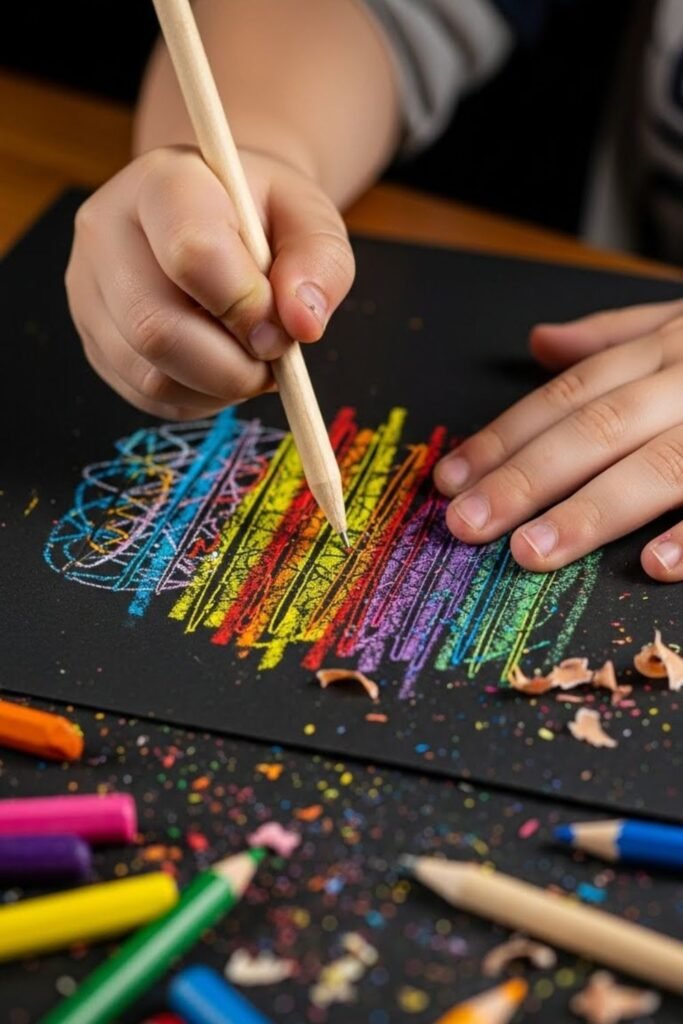
Starting with dark flips expectations and grabs attention. Cover paper with black crayon or oil pastel then paint over it using watered down light colors.
Scratching away the surface unveils secret designs. Children are always delighted by the unveiling.
It’s a great activity for quiet time, too, because the process is orderly, not frenzied, yet still encourages imaginative expression.
Memory Maps
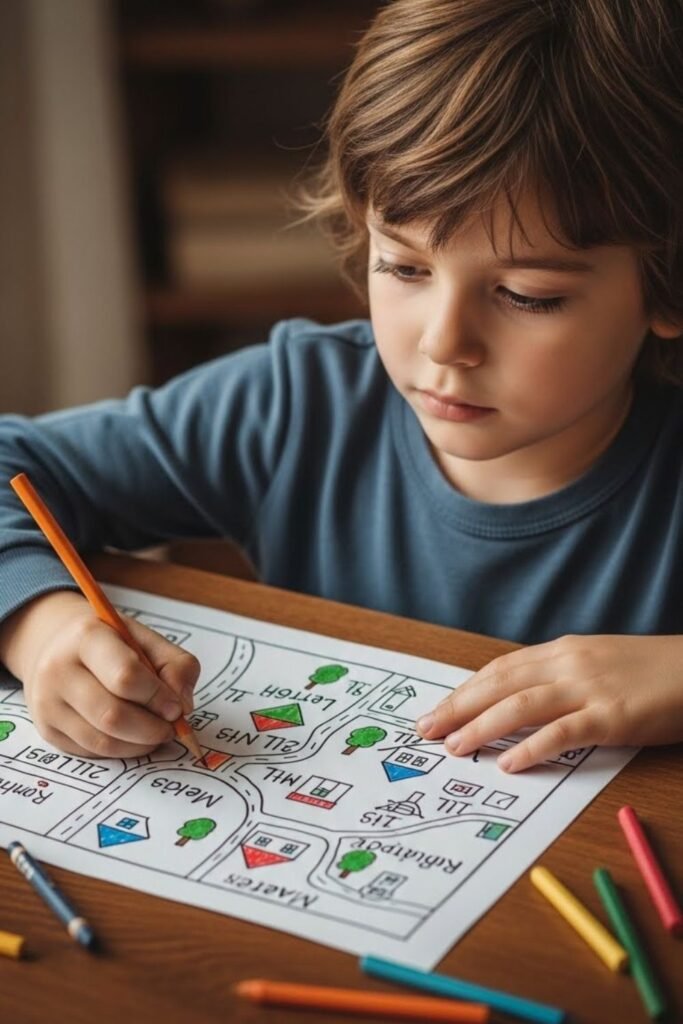
Personal spaces turn into art without needing drawing skills. Ask kids to draw simple maps of places they know bedroom, playground, grandma’s house using symbols.
Squares replace beds circles take the place of trees. This approach is particularly effective for children who prefer narratives to illustrations.
Discussing the map frequently becomes a natural extension of the play, rather than a chore.
Color Trading
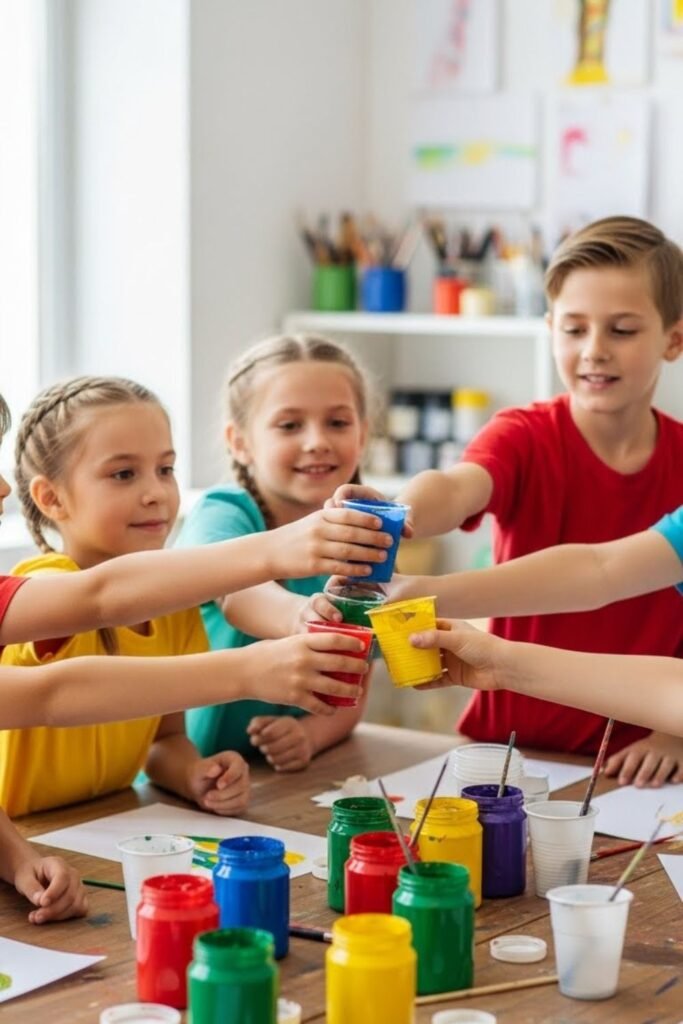
Sharing becomes part of the artwork. Give each child only two paint colors and let them trade drops with others before starting.
Negotiation is a natural process. The completed artwork shows the choices made during its creation, not simply the physical act of painting.
This method is especially useful in group situations when children struggle with teamwork.
Time Painting
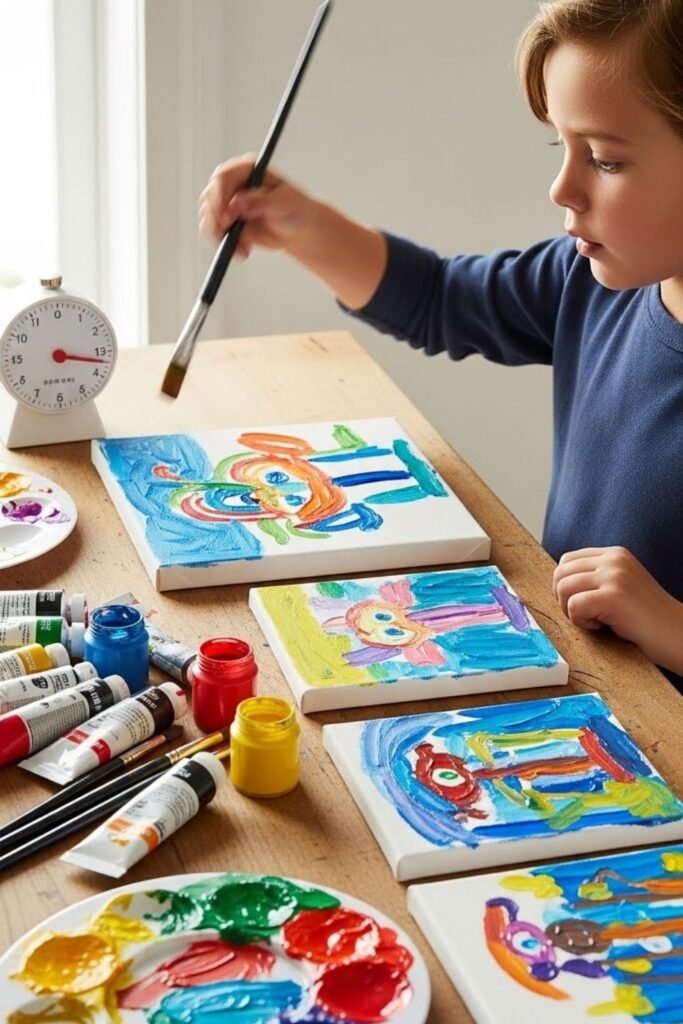
Speed changes the outcome completely. Set short timers 30 seconds, one minute, three minutes and let kids paint the same subject each round.
This approach is particularly effective for children prone to overthinking or those who struggle with a blank page.
The relentless passage of time eliminates the pursuit of perfection, instead fostering a sense of forward motion.
FAQs
Do kids need to “finish” an art project for it to be successful?
No, and that’s a common misunderstanding about childrens art. Sometimes, children stop working on something halfway through because they’ve already explored.
If your child enjoyed the process tried something new, or stayed focused for a while, the art served its purpose, even if the paper wasn’t completely filled.
What if my child says they don’t know what to make?
It’s often the case that the problem is not a lack of ideas but rather an over whelming number of options.
Rather than dictating a specific course of action provide a simple prompt: a single color, a particular shape, or a specific tool.
Hi, I’m Afaf! I’m a law student who loves writing about everyday life – from home projects and crafts to fashion, beauty, and parenting tips.
I’ve been writing for over a year, sharing ideas that are simple, practical, and easy to try. I write about things I find interesting and useful, whether that’s organizing a space, trying a new DIY, or finding activities to keep kids entertained.
My goal is to share helpful ideas without making things complicated. If it works in real life, I’ll write about it.
When I’m not studying or writing, I’m usually experimenting with new projects or scrolling for inspiration!