
22 Animal Crafts For Kids For 2026

You’re on the hunt for animal crafts for kids, and simplicity is key. You’re not looking for a project that requires a dozen different supplies.
One that ends with a meltdown or a toddler’s quick exit. You need an activity that delivers. If that resonates, you’re in luck.
In this article, I will shares 22 easy Animal Crafts For Kids that help turn free time into hands-on fun in 2026.
Let’s jump in!
What Simple Animal Crafts Can You Make With Paper Only?
Paper-based animal crafts thrive on simplicity and flexibility. By avoiding paint, glue, and other embellishments.
You streamline both the preparation and the inevitable post-project tidying.
You can sculpt creatures by folding paper, fashion faces from basic shapes, or assemble wings.
And tails with layered colored paper. Using thicker paper or cardstock helps the finished product maintain its form.
The beauty of an all-paper approach is that kids can concentrate on the fun of making, rather than the waiting for things to set.
Save this article for later!👇👇👇

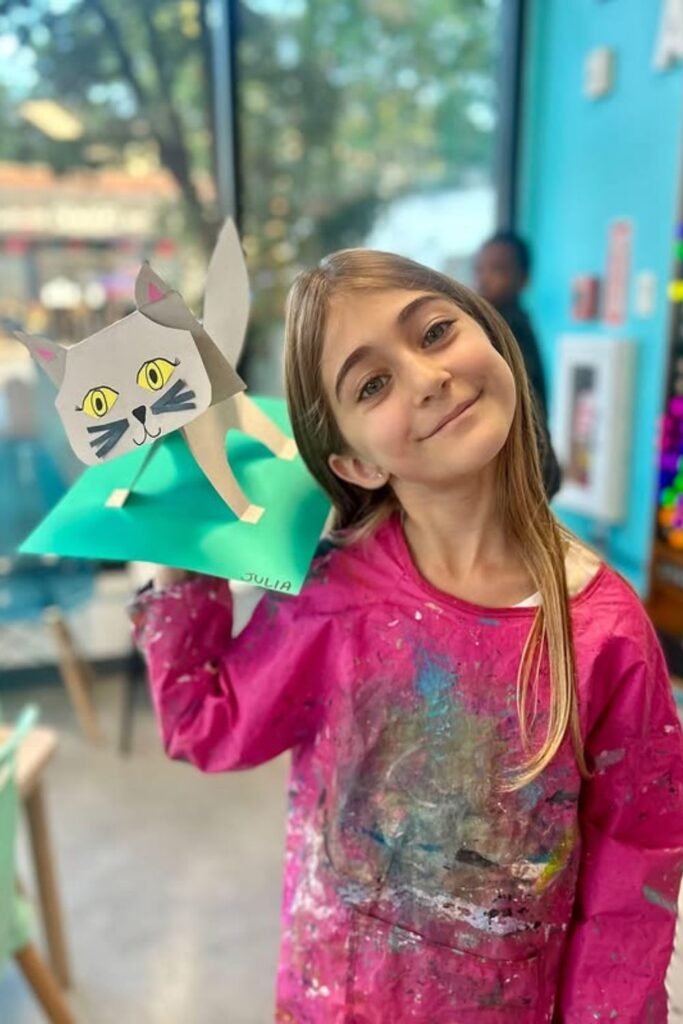
Paper Cat
Paper folds turn into a playful cat once you keep the shapes simple and the base sturdy. Fold thicker paper to help the animal stand on its own.
Then, instead of piecing together those fiddly bits, just sketch the face. This approach is perfect for classrooms and art nooks.
Allowing youngsters to really make their expressions their own, without the pressure of a deadline.
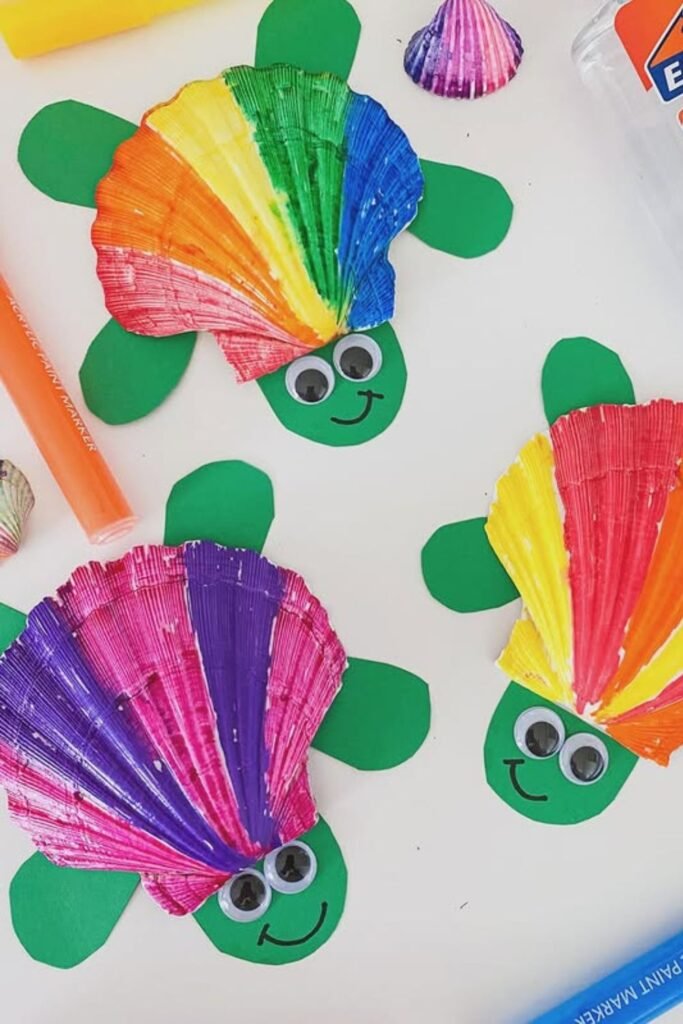
Shell Turtles
The allure of vibrant seashell textures immediately captures children’s attention, no lengthy instructions required.
To craft the turtle’s shell, paint coffee filters or paper shells with a burst of rainbow colors. The turtle’s body is simply constructed from green cutouts.
This project thrives on artistic exploration, allowing kids to play with colors to their hearts’ content.
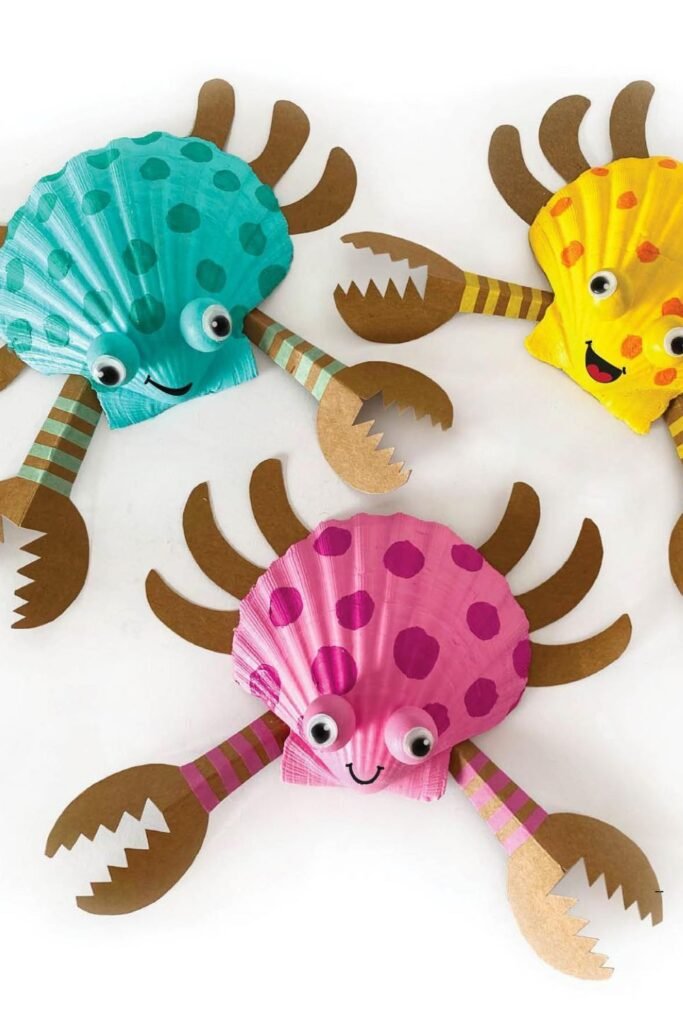
Shell Crabs
Bright colors and silly claws make ocean crafts instantly more exciting for kids. Painted shells create the crab body.
Cardboard strips, with a few snips, become legs and claws. This is a great project for summer, beach-themed activities, or ocean education.
Pre-cut the claw forms beforehand, allowing the youngsters to concentrate on painting, decorating, and giving their crabs some character.
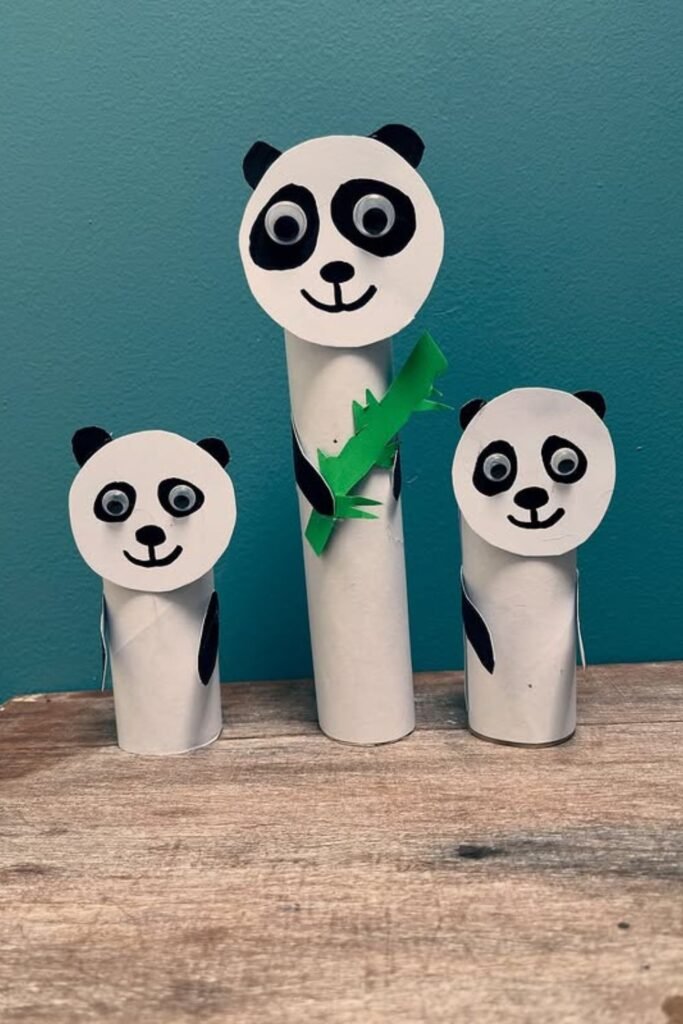
Roll Pandas
Empty toilet rolls suddenly become playful animals once faces are added at eye level. White paper wrapped around the tube.
The base stays tidy and the black paper cutouts do the heavy lifting for the ears and patches.
You can even stack the rolls at varying heights to create miniature panda family which opens the door to some fun storytelling.
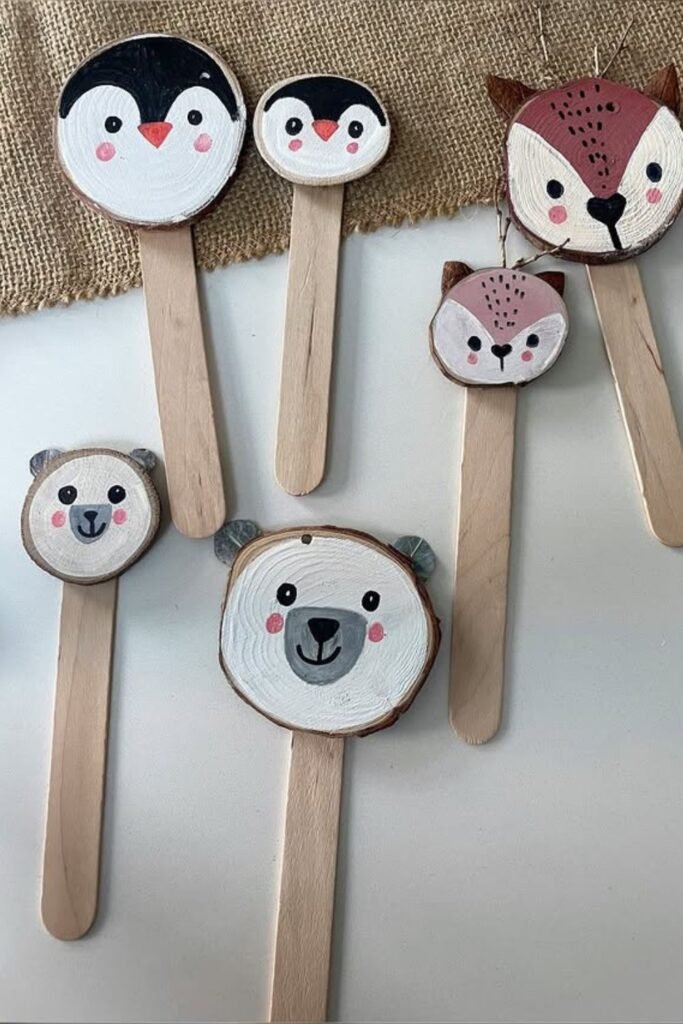
Stick Animals
Storytime sparks magic once simple sticks turn into friendly animal faces. Wood slices or thick cardboard glued onto craft sticks.
Craft immediate puppets that children can easily manipulate.
This concept is ideal for reading nooks, imaginative play or those tranquil moments in the classroom.
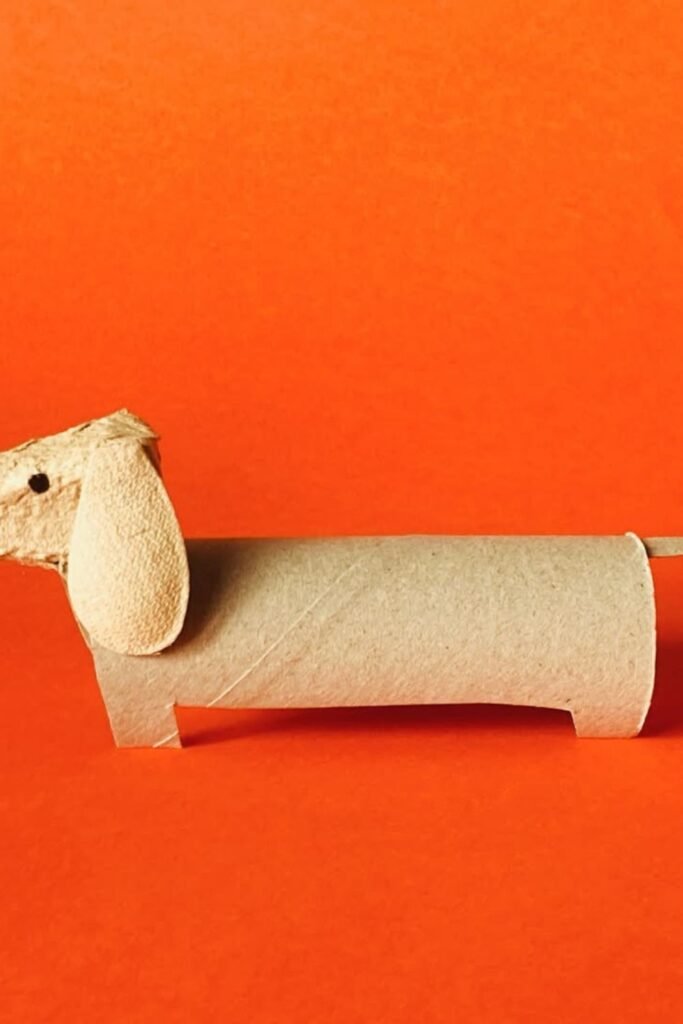
Tube Dachshund
Long bodies feel funnier to kids, which makes this craft an instant hit. Toilet rolls form the base while cardboard scraps shape the head, ears, and tail.
Tabletop play or lessons centered around animals are a good fit for this concept, given the figure’s self-supporting design.
The short legs simplify the cutting process and the neutral color palette encourages children to concentrate on the construction rather of the embellishments.
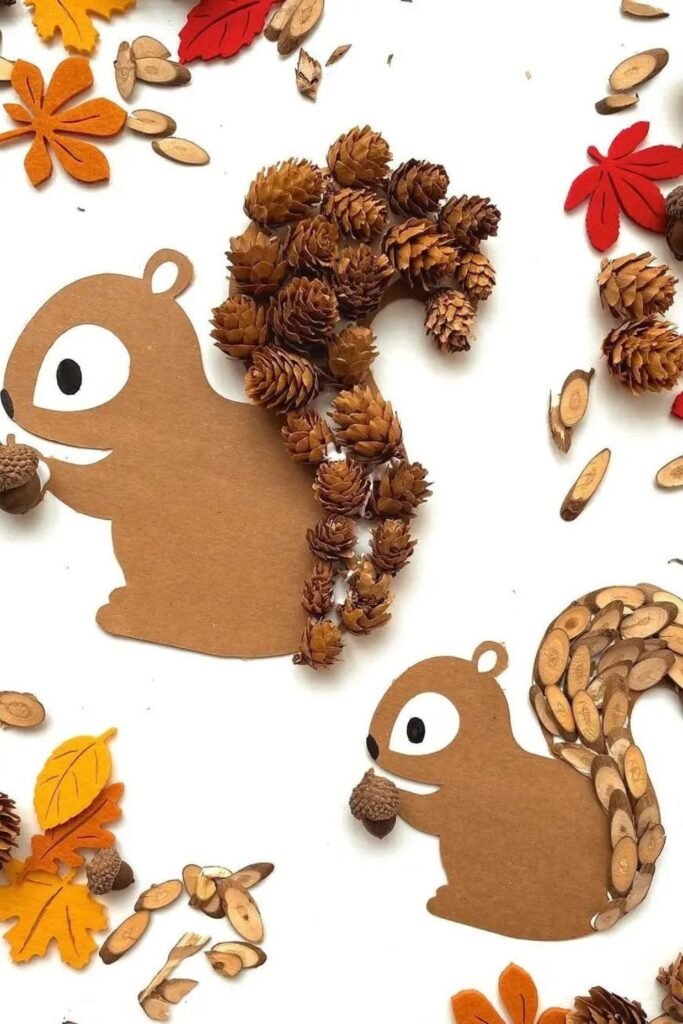
Nature Squirrels
Outdoor walks turn into craft time once pinecones and seeds come home with you. Cardboard bodies act as the base.
Natural materials lend themselves to creating soft tails and interesting textures. Autumn themed projects and lessons about the outdoors are ideal for this.
Use small well spaced glue dots to help the little finger secure objects with out the whole thing shifting.
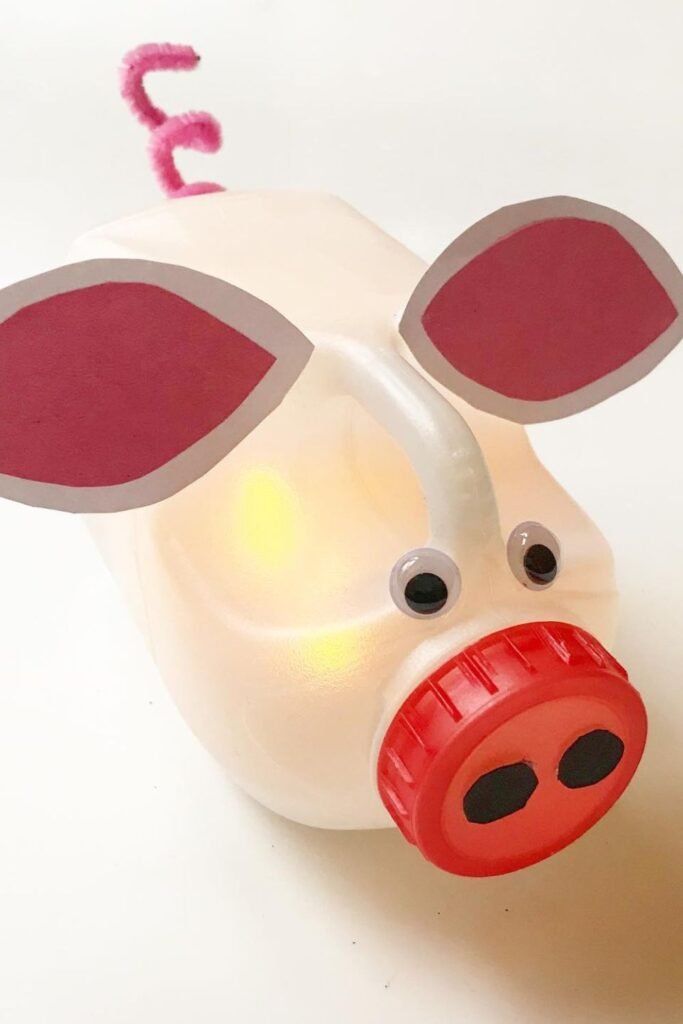
Bottle Pig
Recycled bottles suddenly feel exciting once lights and faces come together. Clear plastic work best so the glow shows through.
Paper ears and a painted cap define the pigs character. Nighttime crafts, farm-themed projects or sensory activities are all good choices.
Make sure the lamp is in place before you start decorating so nothing gets jostled while the kids are busy.
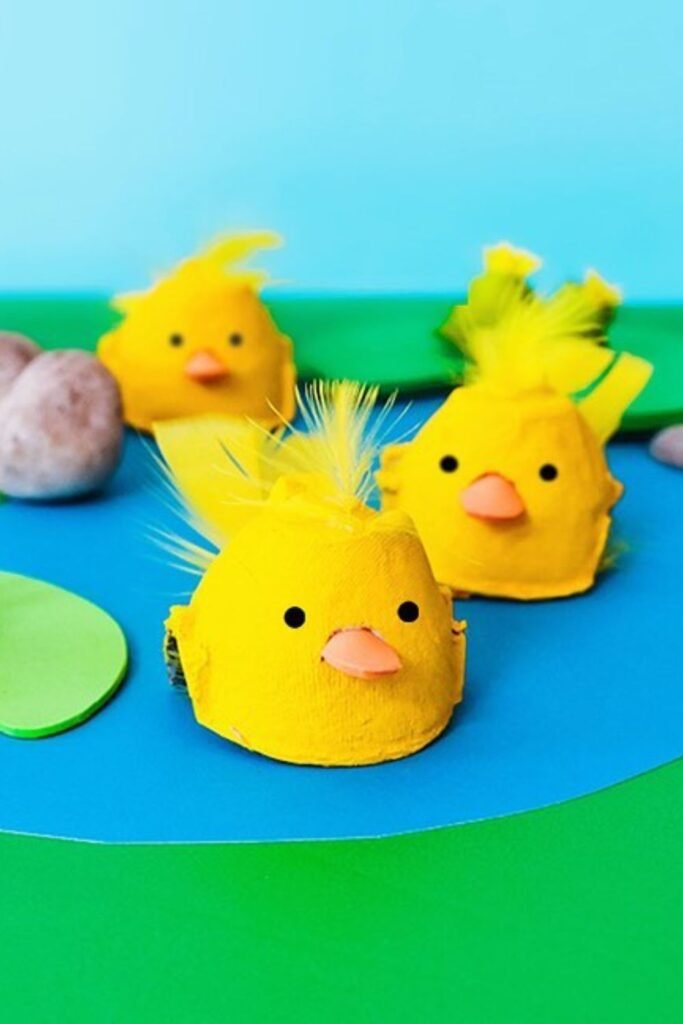
Carton Chicks
Bright yellow paint instantly turns egg cartons into springtime favorites. Cut the carton cups apart first so little hands only focus on painting and gluing.
Feather remnants lend a little of texture with minimal fuss, and miniature paper beaks complete the look in a flash.
These are ideal for Easter projects or farm-themed lessons and particularly when children arrange them to form a whimsical chick family.
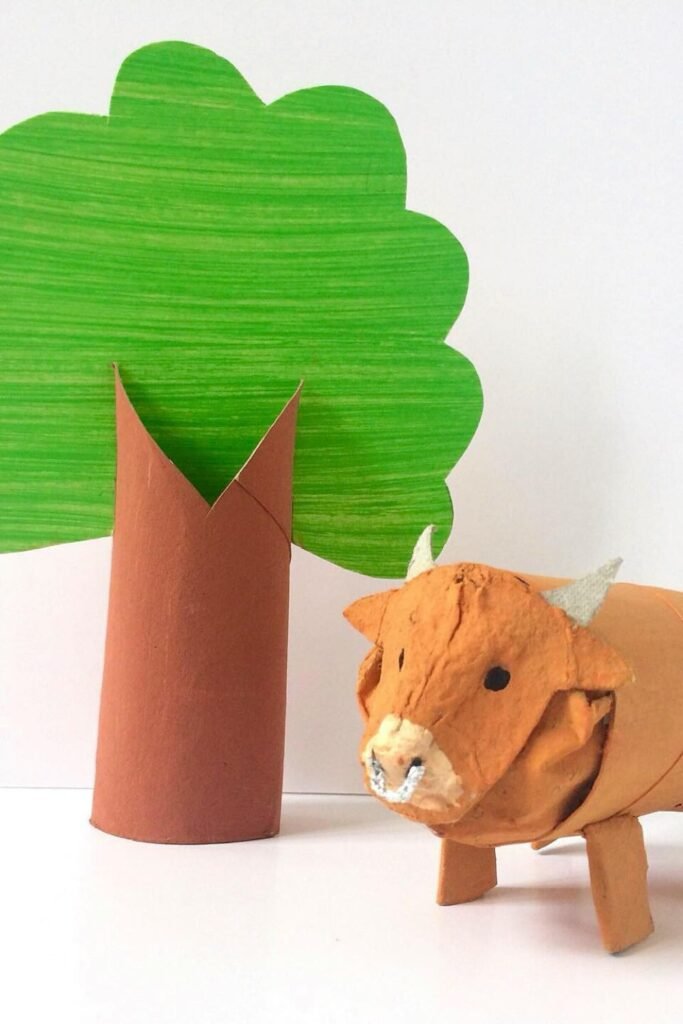
Tube Cow
Farm play feels more real once animals can stand and move around. Cardboard tubes form a strong body.
Paper scraps become legs, ears, and tiny horns. Farm themes, imaginative play, or lessons about the countryside are a perfect match.
Construct the body first to ensure stability then attach the legs evenly. This prevents the creation from toppling over when children begin their play.
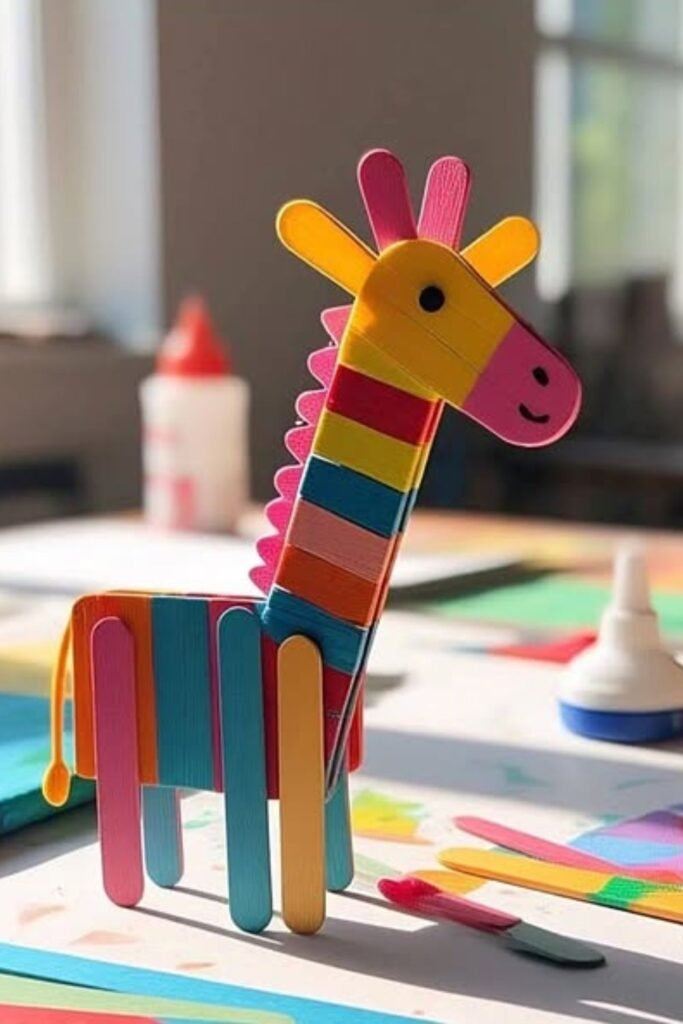
Stick Giraffe
Color does most of the work here, which keeps kids interested without overthinking steps. Craft sticks stacked and glued create a sturdy body.
The smaller components are what give the long neck and head their form. This concept works nicely with art stations or fine-motor skill activities.
Allow the pieces to dry completely while flat before carefully standing the structure upright, ensuring everything is firmly in place.
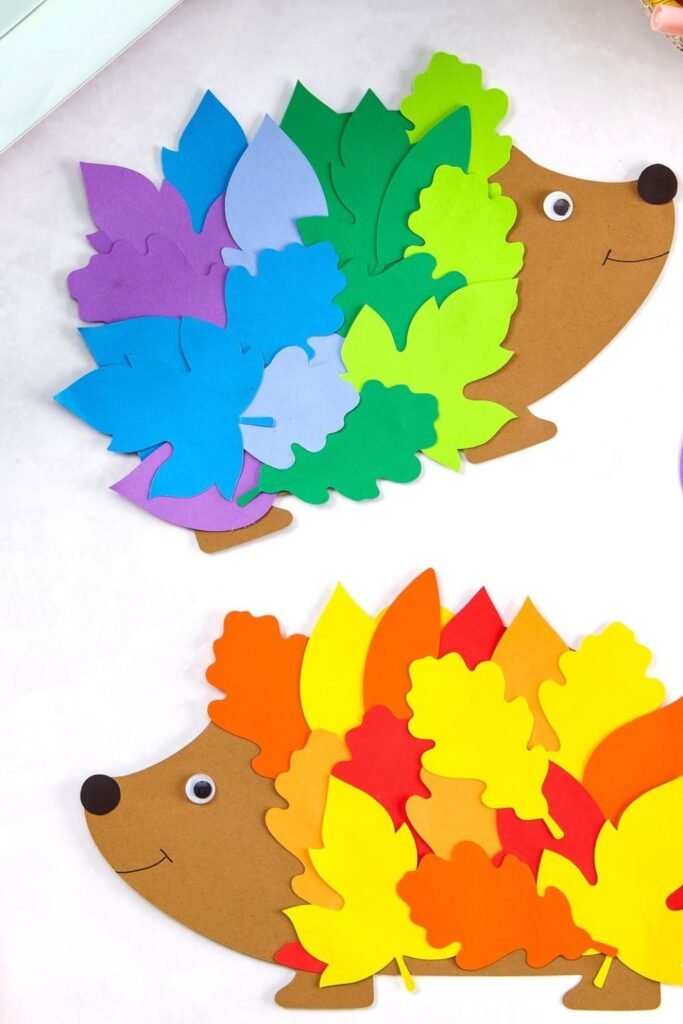
Leaf Hedgehogs
Layering paper leaves instantly gives kids a clear goal and a satisfying result. Brown paper shapes form the body.
Colorful leaf cutouts add texture, and they are easy to make. These are great for fall crafts, classroom displays or nature-themed projects.
Begin gluing from the back and work your way forward. This way, each layer remains visible, and the hedgehog’s shape stays intact.
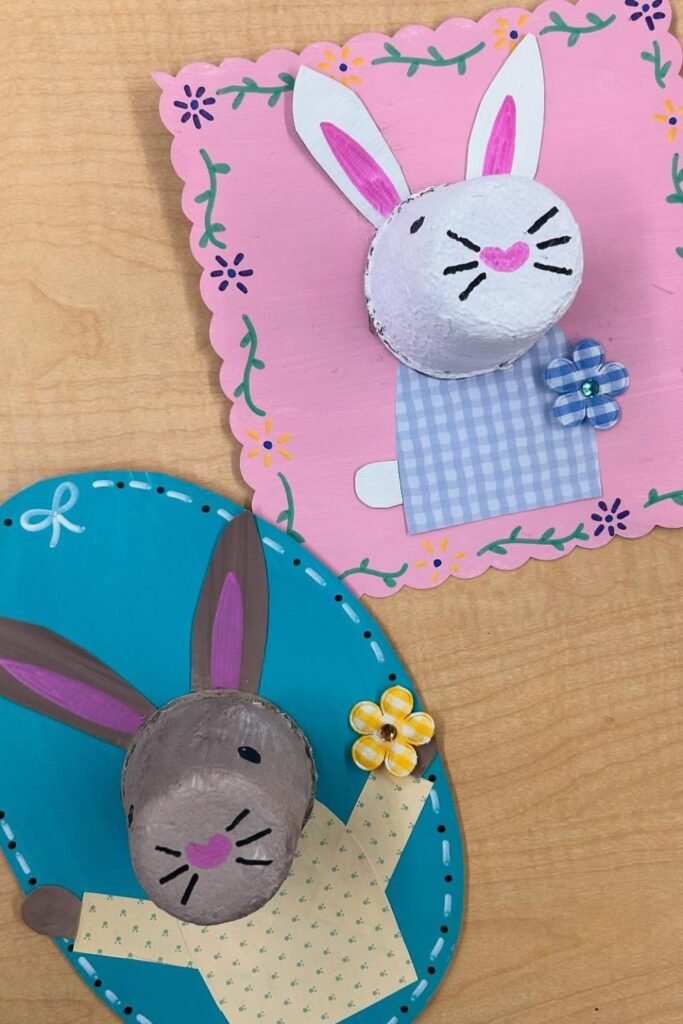
Bunny Frames
Soft textures and gentle colors turn simple egg carton cups into keepsake-style art. Carton domes become bunny faces.
The painted paper bases provide a little picture frame for the scenario. This setup is perfect for spring crafts, Easter activities or gift projects.
Begin by attaching the ears and faces. Then, glue everything onto the background allowing kids to reposition elements without feeling hurried.
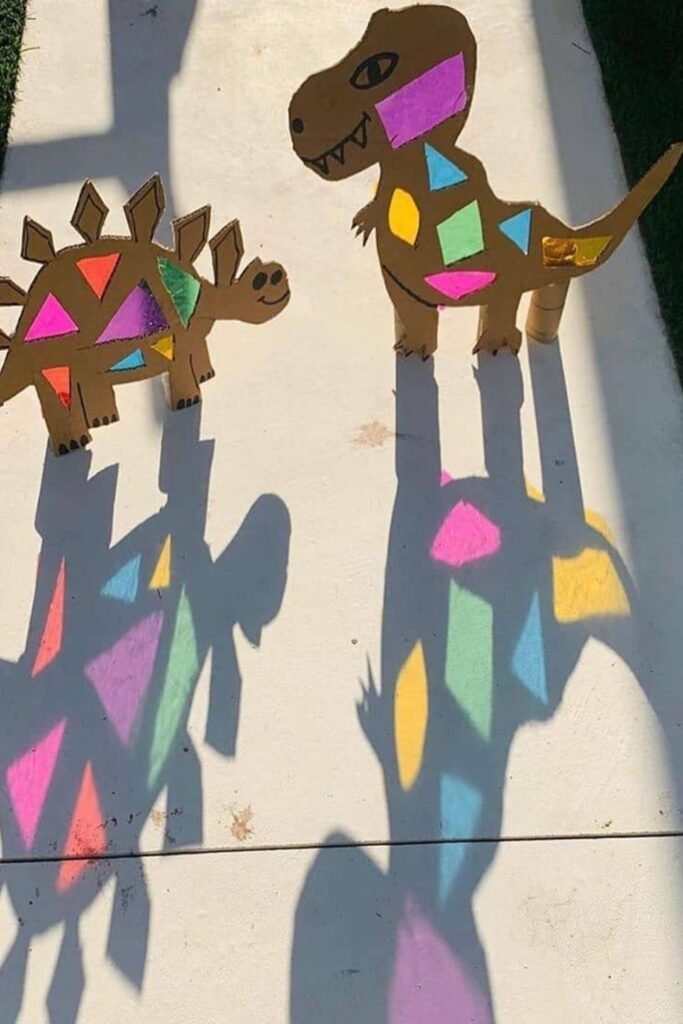
Shadow Dinosaurs
Sunlight turns cardboard dinosaurs into moving art once colorful cutouts are added. Cardboard bases stay sturdy.
Tissue paper or cellophane, when used, casts vibrant shadows on the ground. This project thrives outside or in sunlit windows.
Secure the colored pieces from behind with tape, ensuring neat edges. This way, children may see the shifting shadows as the sun travels across the sky.
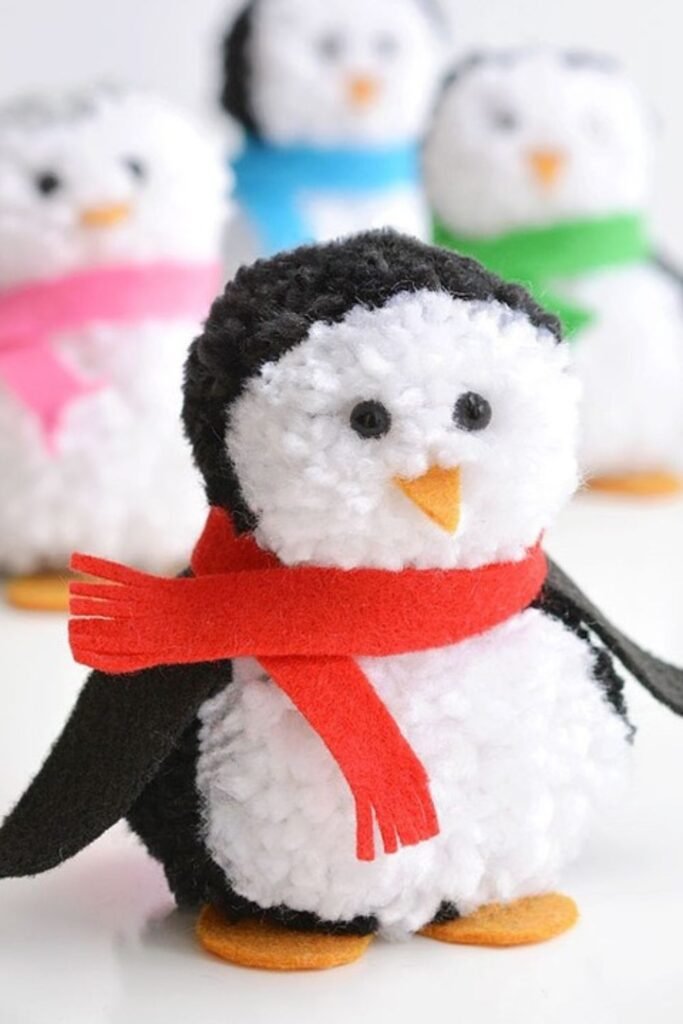
Pom Penguins
Soft textures make winter crafts feel calm and cozy right away. Yarn pom-poms create the body fast.
While felt bits become wings, beaks, and little scarves, the possibilities are endless.
These projects are particularly suited for cold-weather themes, indoor recess or holiday breaks.
Spoon Animals
Kitchen leftovers become playtime props once faces appear on wooden spoons. Paint handles first so drying happens early.
Then, add paper ears, manes, or snouts to correspond with each animal. Puppet play, storytelling, or circle time are all great options.
Ensure the face features are bold and uncomplicated so the expressions remain easily recognizable, even when little hands are in motion.

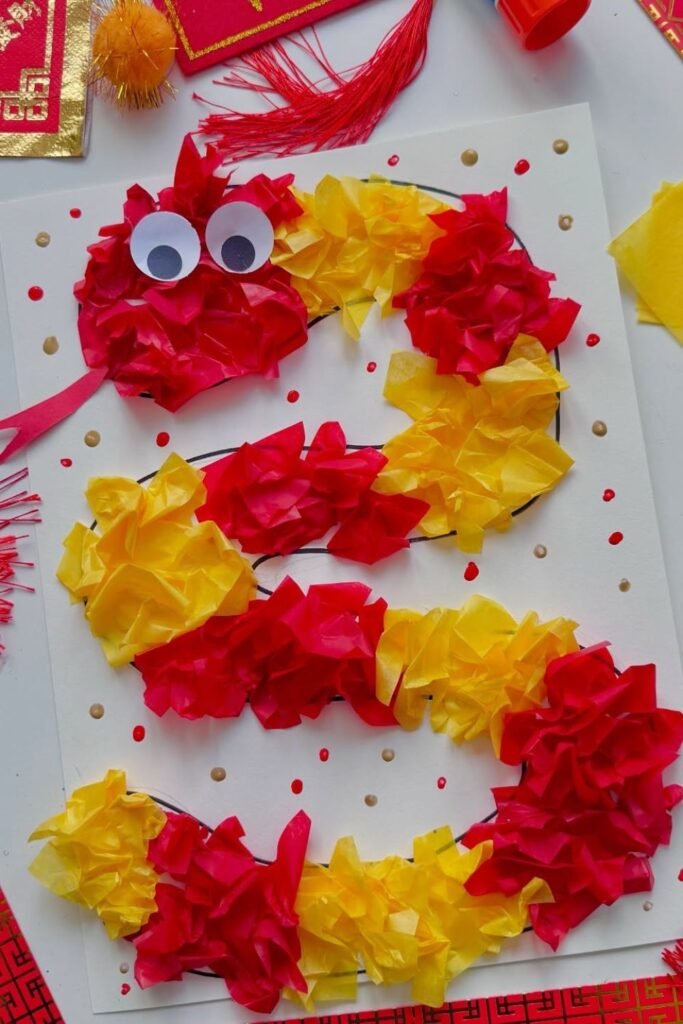
Tissue Dragon
Bright reds and yellows bring instant energy to this long, wiggly build. Crumpled tissue paper fills the body fast.
Ideal for children who enjoy tactile experiences this approach works wonderfully for Lunar New Year classes, cultural activities, or classroom celebrations.
Start by sketching the body outline. Then have the kids fill in each region with a different color, one at a time, to maintain order and keep the activity enjoyable.
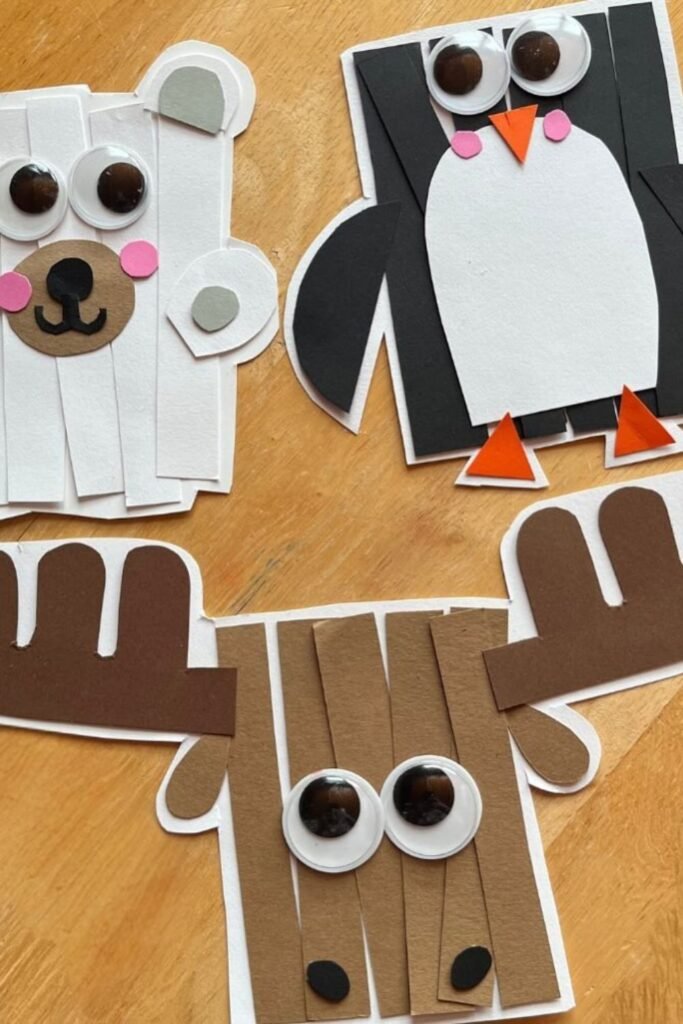
Strip Animals
Layered paper strips turn flat shapes into something kids actually want to touch. Cut the strips ahead of time.
Then, let the children stick them down, creating fur and texture without the need for paint. This concept works perfectly for classroom crafts and activities on a wet day.
Using wide strips simplifies the process and making it easier for small hands to arrange items with out feeling frustrated.
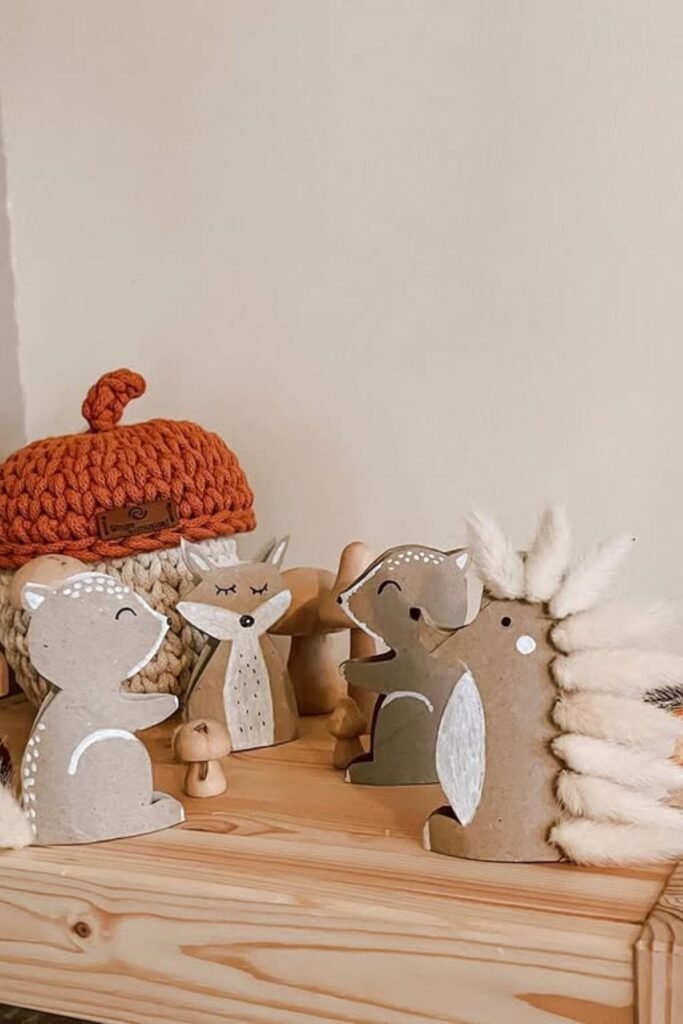
Woodland Friends
Wood textures instantly slow kids down and invite gentle play. Simple animal silhouettes cut from cardboard or wood.
They truly shine when feathers, painted dots, or yarn embellishments are incorporated.
This approach works particularly well for nature tables, tranquil spaces or autumnal displays.
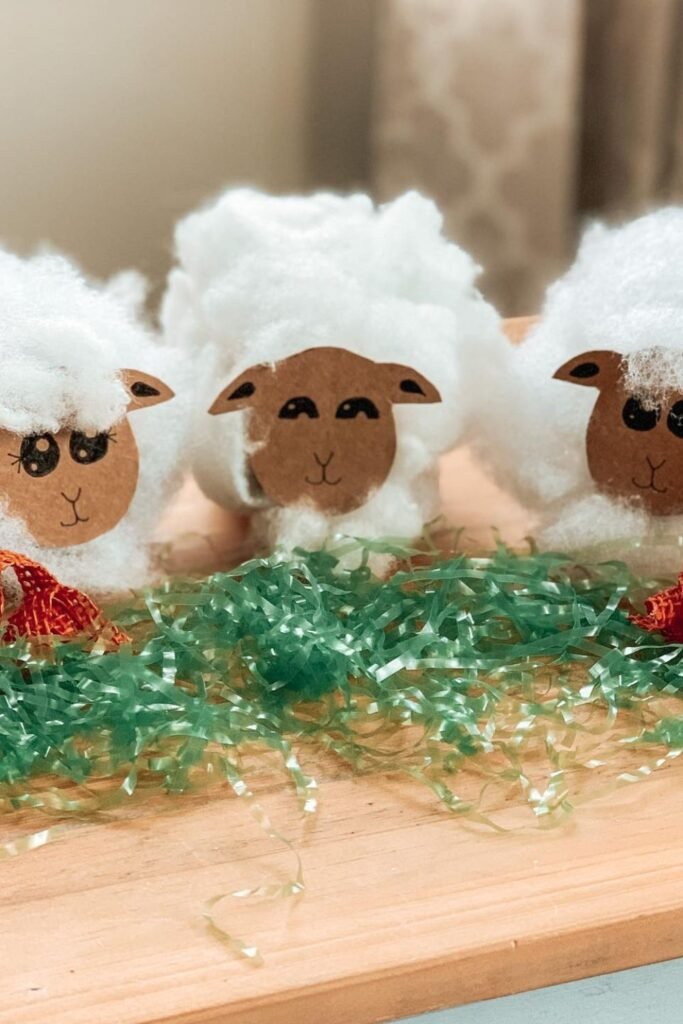
Cotton Sheep
Fluffy textures instantly invite little hands to squeeze and stick. Cardboard faces stay simple while cotton fills do all the visual work.
Farm themes, lessons about springtime, or sensory play are all perfect fits. Before you begin, tear the cotton into small bits.
This way, the kids may layer it gradually, avoiding the mess of glue clumps or parts slipping off.
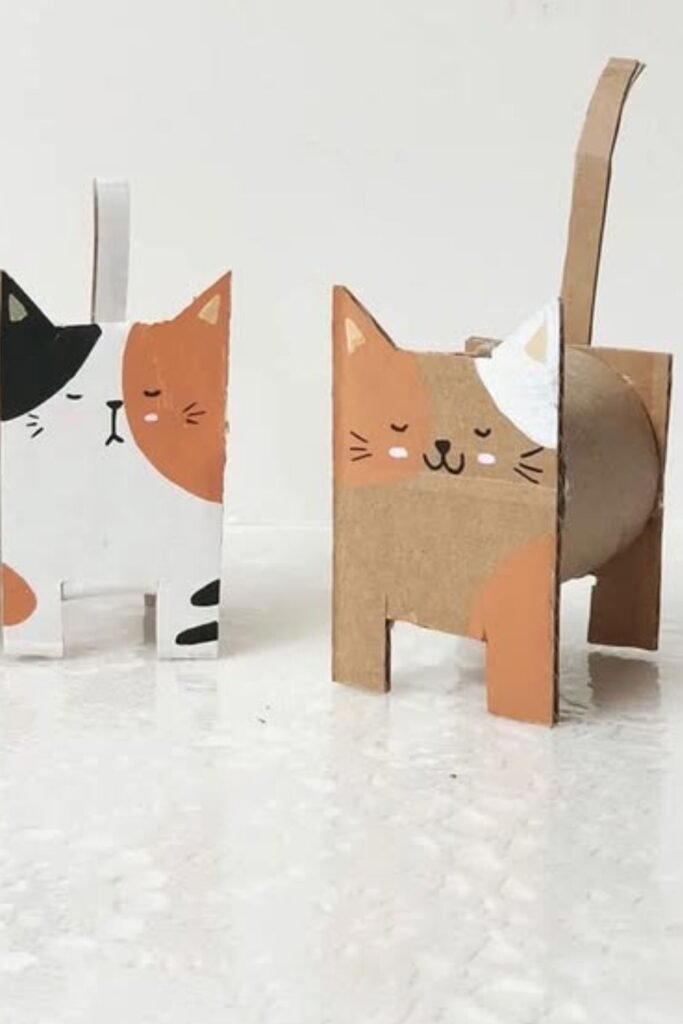
Box Cats
Small boxes spring to life when their legs and tails are liberated. Cardboard panels transform into robust feline forms.
Perfect for playtime once the crafting is done. This concept lends itself beautifully to shelf displays, imaginary towns, or serene play areas.
To ensure the shapes remain crisp and the cats hold their ground, lightly score the fold lines before bending.
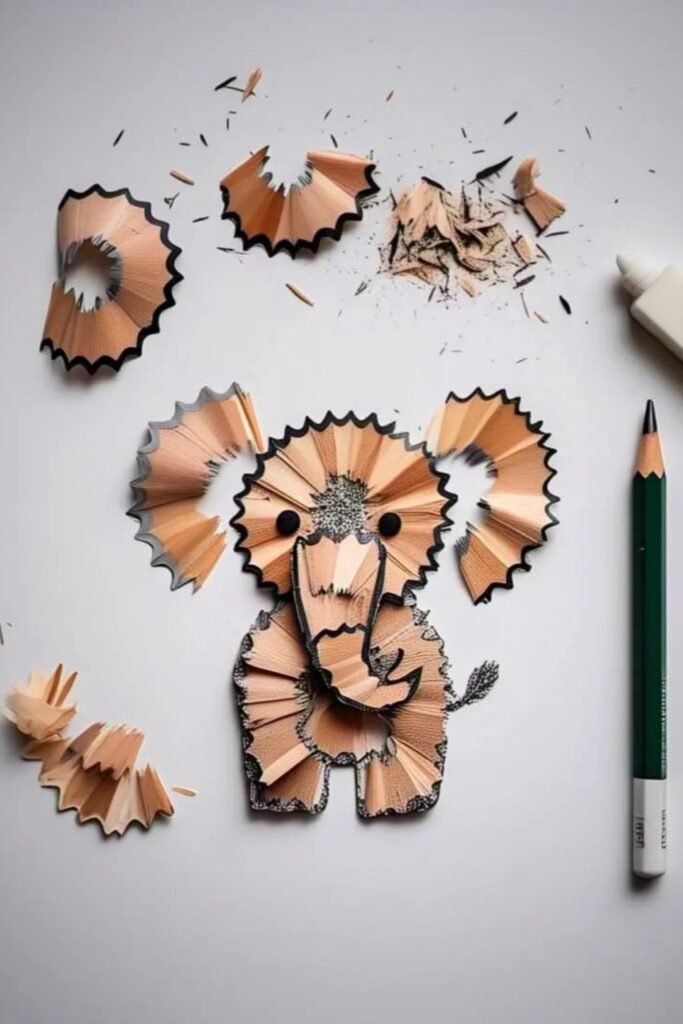
Pencil Elephant
Pencil shavings, the kind you find just lying around, can become textured animal art with no special setup.
The way the curled scraps stack up naturally creates ears, trunks, and the rest, meaning every creation is unique.
This works well in art rooms or during quiet, focused time. Start by gathering the shavings in a small bowl, then sort them by size.
FAQs
How do you keep kids interested in crafts without overwhelming them?
Interest tends to endure when tasks are brief and easy to follow. Tackle the challenging aspects beforehand.
And then let the kids take charge of the gluing, coloring, or embellishing. When they can see tangible results fast, they are less likely to lose interest and abandon the project.
What’s the best way to reuse everyday items for kids’ animal crafts?
Begin with shape, not what something is supposed to be. Rolls transform into figures, boxes become faces, and bits and pieces provide texture.
When children focus on recognizing shapes, crafting shifts from imitation to construction, making the whole experience more enjoyable and imaginative.
Hi, I’m Afaf! I’m a law student who loves writing about everyday life – from home projects and crafts to fashion, beauty, and parenting tips.
I’ve been writing for over a year, sharing ideas that are simple, practical, and easy to try. I write about things I find interesting and useful, whether that’s organizing a space, trying a new DIY, or finding activities to keep kids entertained.
My goal is to share helpful ideas without making things complicated. If it works in real life, I’ll write about it.
When I’m not studying or writing, I’m usually experimenting with new projects or scrolling for inspiration!