
20 Letter Q Crafts Ideas for Preschoolers
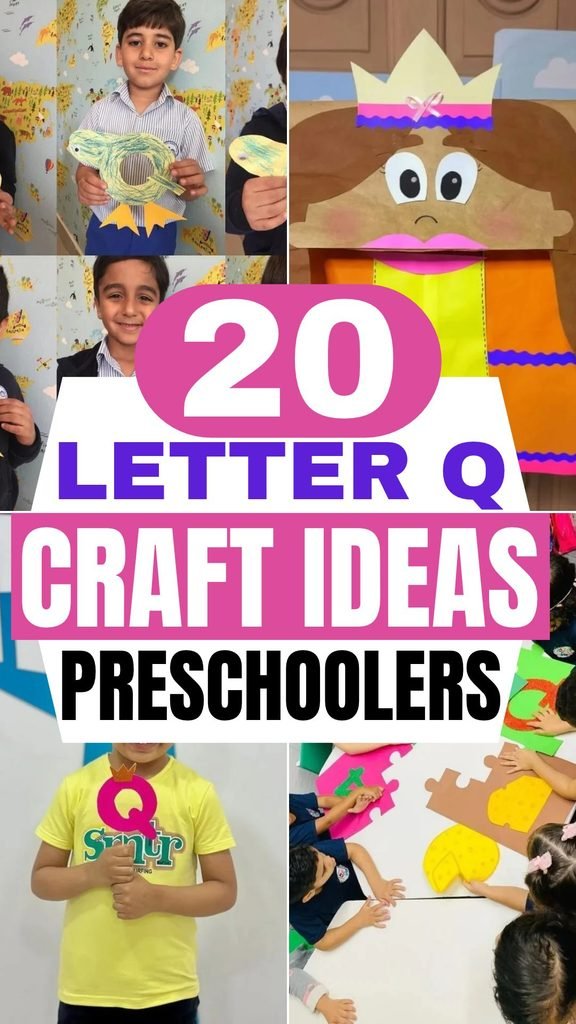
Finding letter Q crafts for preschoolers can feel tricky when you run out of familiar words beyond queen and quilt.
You want simple activities that hold your child’s attention while helping them recognize the letter, practice its sound, and learn new words.
These easy letter Q craft ideas use everyday materials to make alphabet practice fun, hands-on, and manageable for little learners.
What Letter Q Activities Can Combine Crafting With Early Literacy Skills?
Letter Q crafts can teach more than letter recognition when you connect each project with simple sounds, words, and hands-on activities.
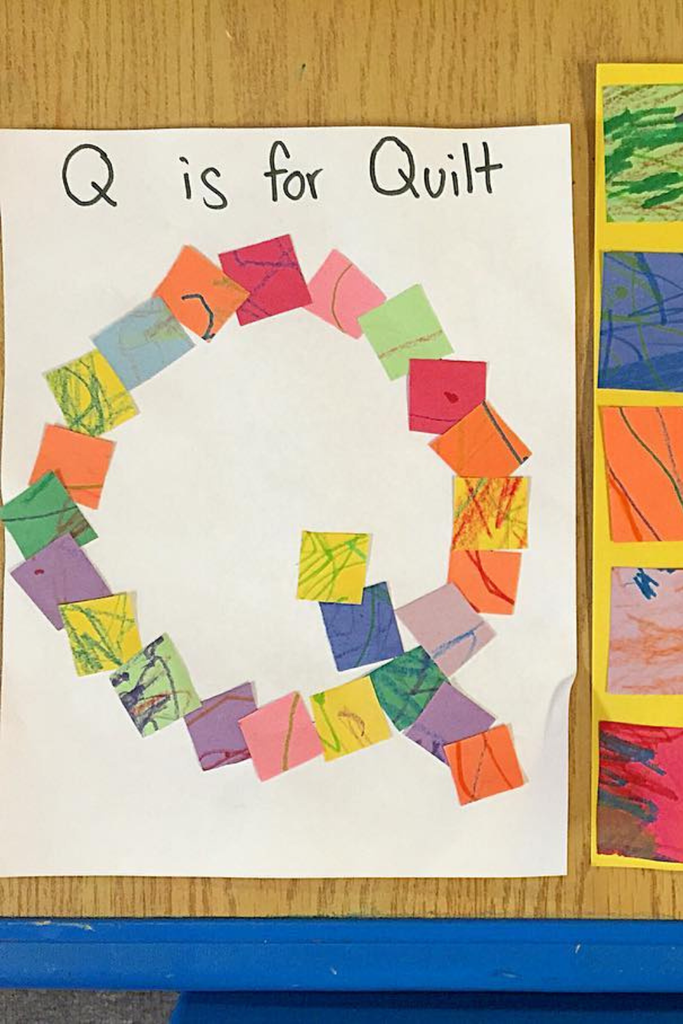
Start with a large paper Q and let your preschooler decorate it with quilt squares while repeating the word quilt.
You can also turn Q into a queen or quail, then ask your child to name the picture and identify its beginning sound.
For extra practice, use cotton swabs to paint along the letter, or let children build uppercase Q and lowercase q with playdough.
As your child works, point out how Q often pairs with U in words like queen and quiet making early reading practice easier to understand.
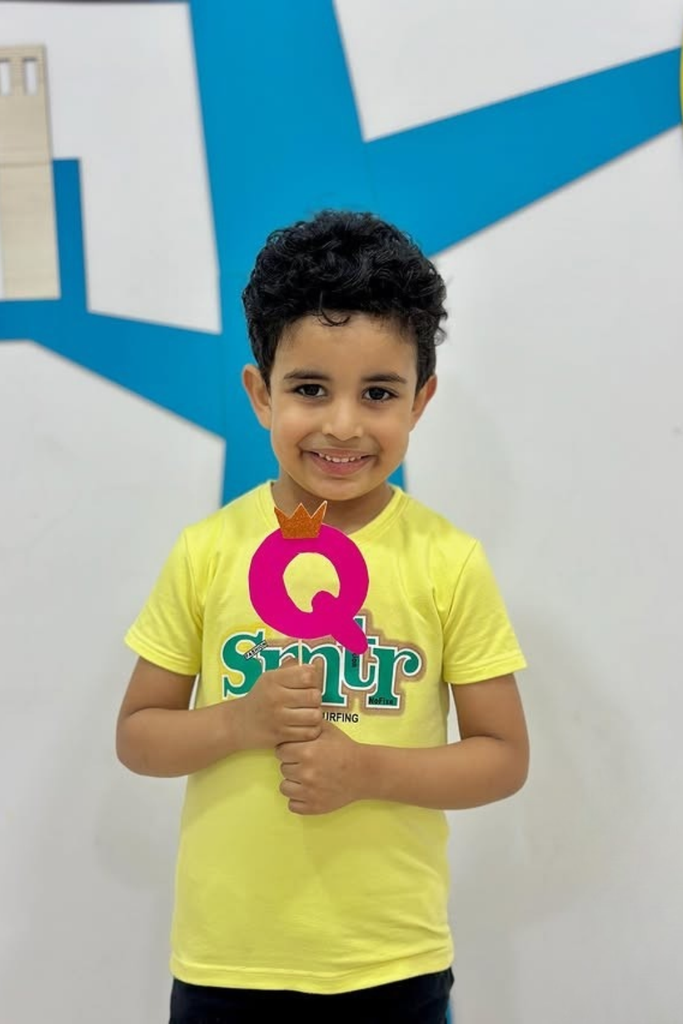
Queen Q Puppet
Turn letter Q into a royal puppet by cutting its shape from bright pink cardstock and adding a small golden paper crown.
Attach a craft stick behind the letter so your preschooler can hold it while practicing the Q sound and saying queen.
Use this simple craft during alphabet lessons or classroom storytelling to help children connect the letter with a familiar word.
Q Puzzle Craft
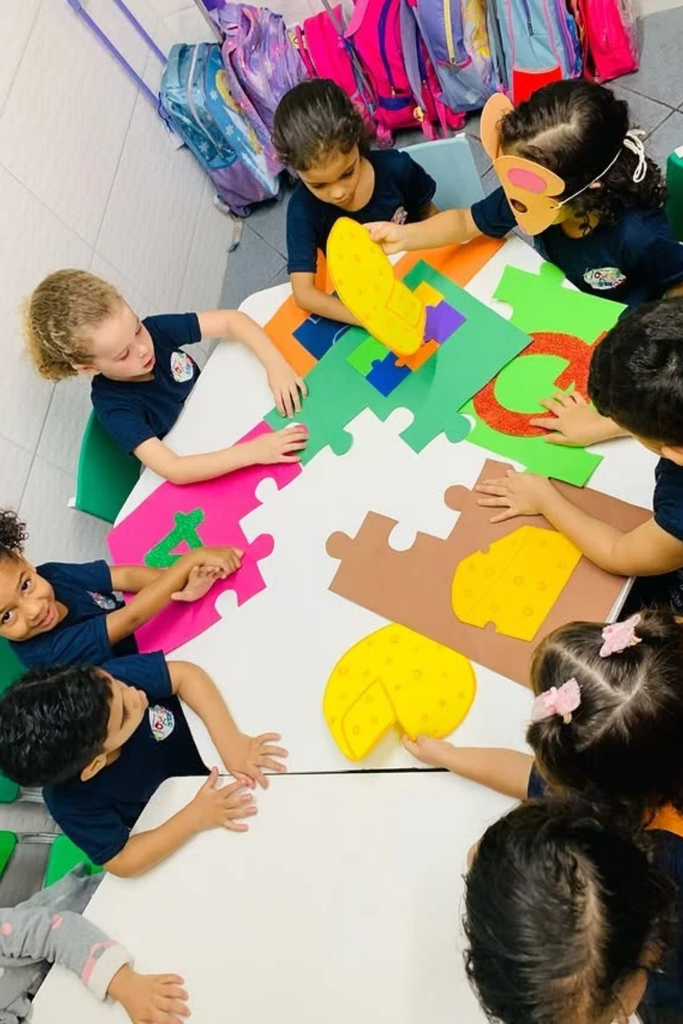
Bring letter Q practice into group activities by cutting large puzzle pieces from colorful cardstock and adding familiar Q-themed pictures.
Let preschoolers match the pieces together, then point out the letter Q and repeat words like queen, quilt, and quack.
Set up this craft at a classroom activity table where children can practice letter recognition, matching skills, and teamwork while playing.
Quail Letter Craft
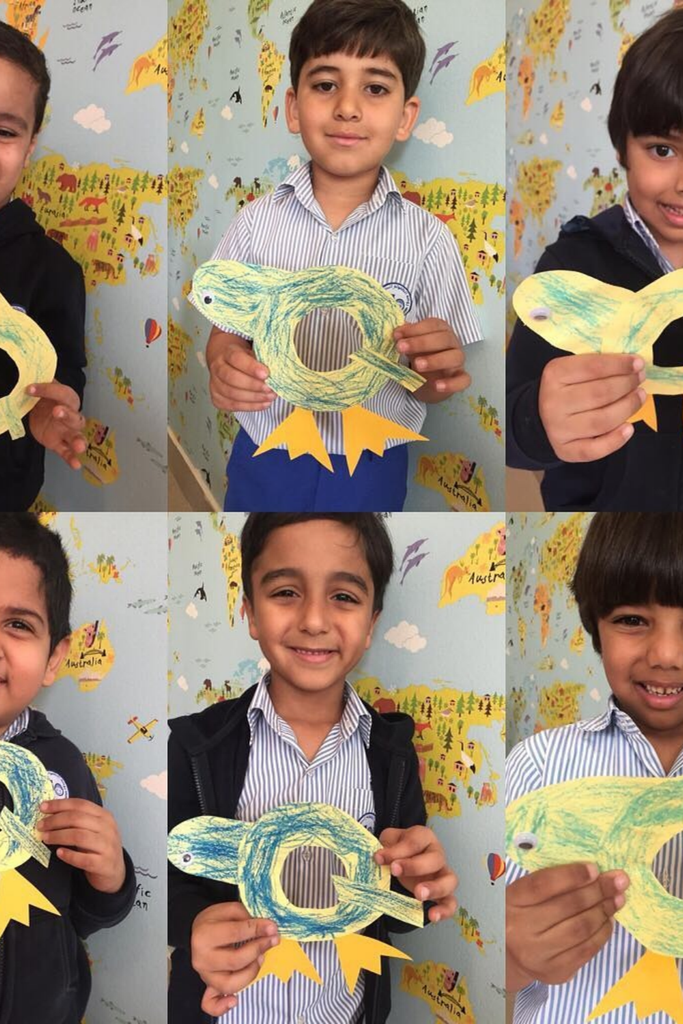
Give your preschooler a fun way to remember Q by turning a large cardboard letter into a colorful little quail.
Cut out the Q shape, add a small bird head, paper wings, and yellow feet, then let your child color the body.
Display the finished quail on an alphabet wall and practice saying quail together to connect the letter with its beginning sound.
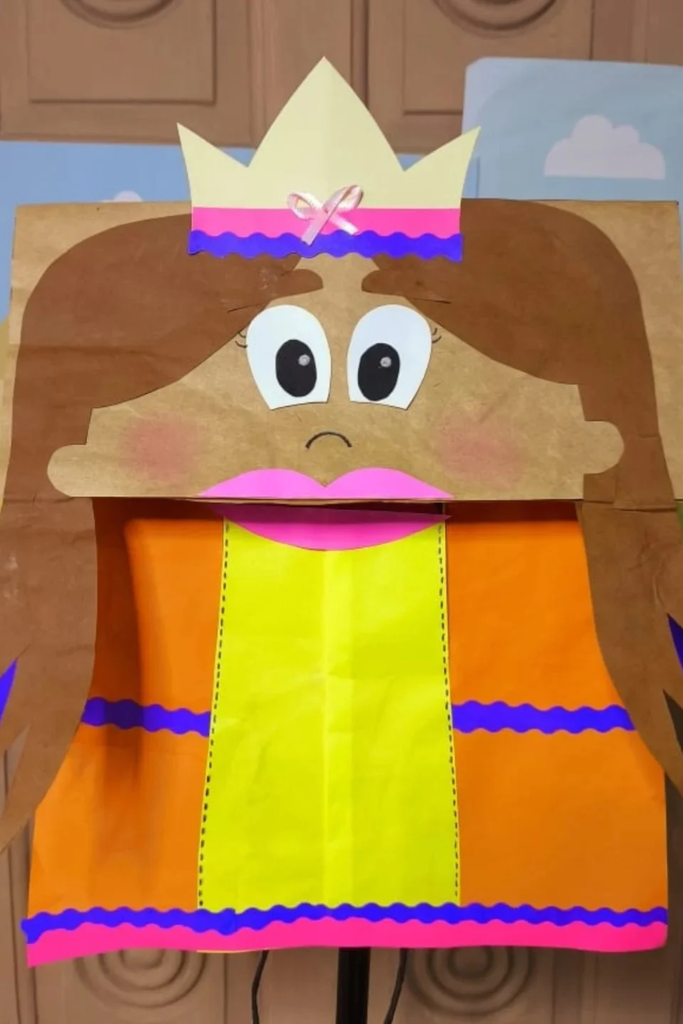
Paper Queen Puppet
Make letter Q storytelling more exciting by creating a colorful queen puppet from folded cardboard, and construction paper.
Add brown paper hair, a golden crown, big eyes and a movable mouth, then dress the puppet in a colorful paper gown.
Preschoolers use their queen during circle time to practice Q words, ask simple questions, and build speaking confidence through pretend play.
Patchwork Queen Q
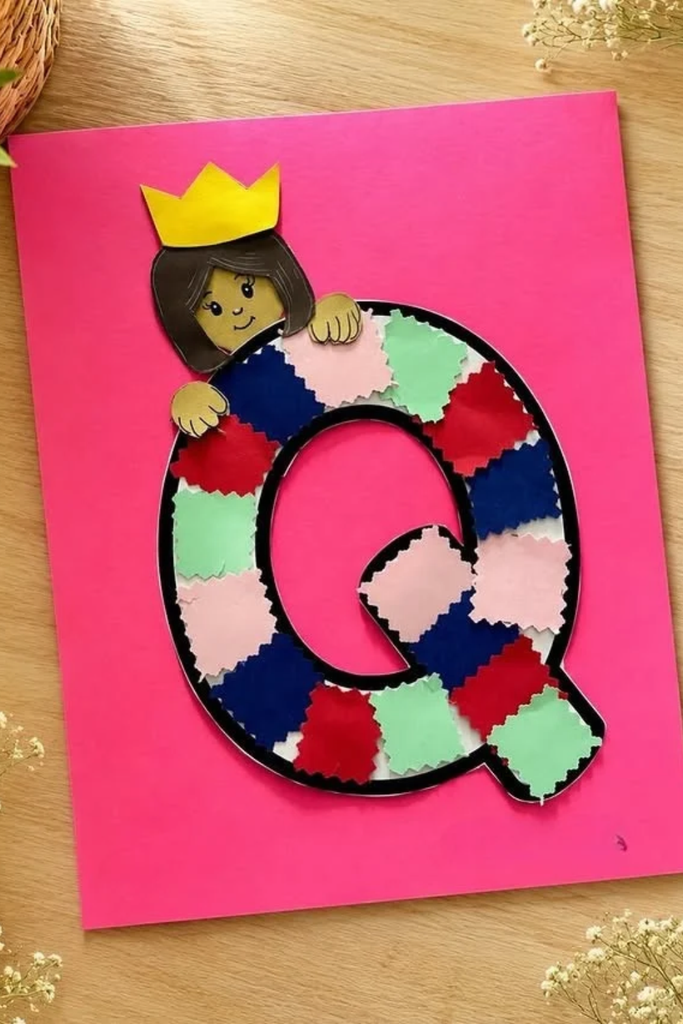
Give your preschooler a colorful letter Q activity by combining a paper queen with small pieces of colored craft paper.
Cut a large Q from black cardstock, fill it with colorful paper patches, and add a little queen wearing a yellow crown.
Mount the finished craft on pink paper for an alphabet display then ask your child to find Q and say queen aloud.
Balloon Letter Q
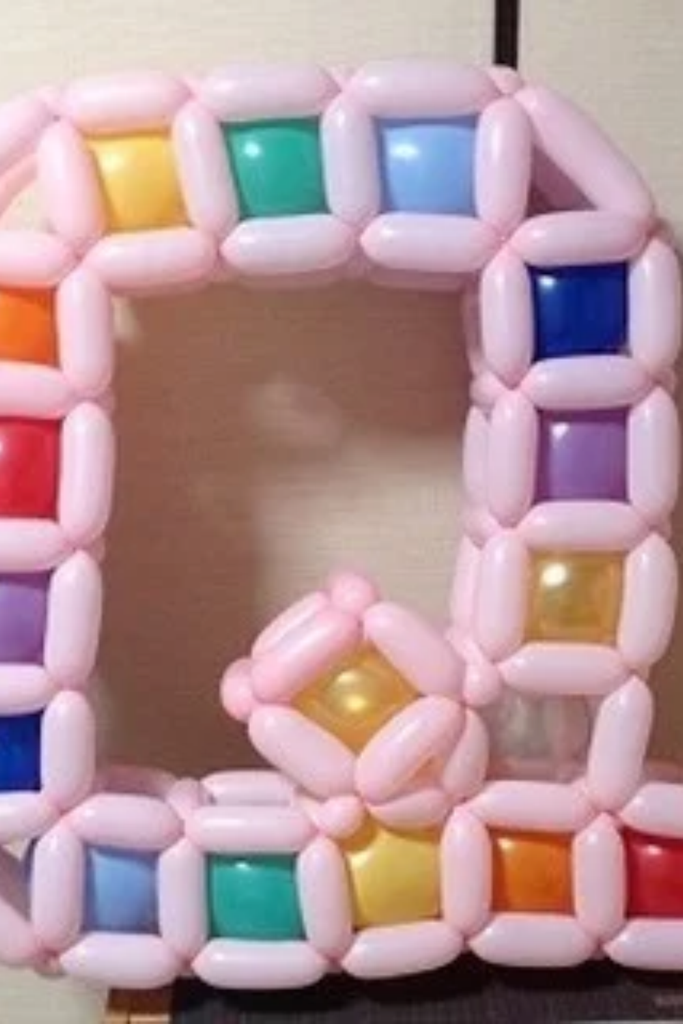
Add a playful twist to alphabet practice by building a large letter Q with small pink twisting balloons and colorful square balloons.
Arrange the balloons into the Q shape, using a short diagonal section for its tail and secure everything with adult help.
Use the finished letter for a preschool alphabet display, then let children trace its outline with their fingers while practicing Q recognition.
Blue Quail Craft
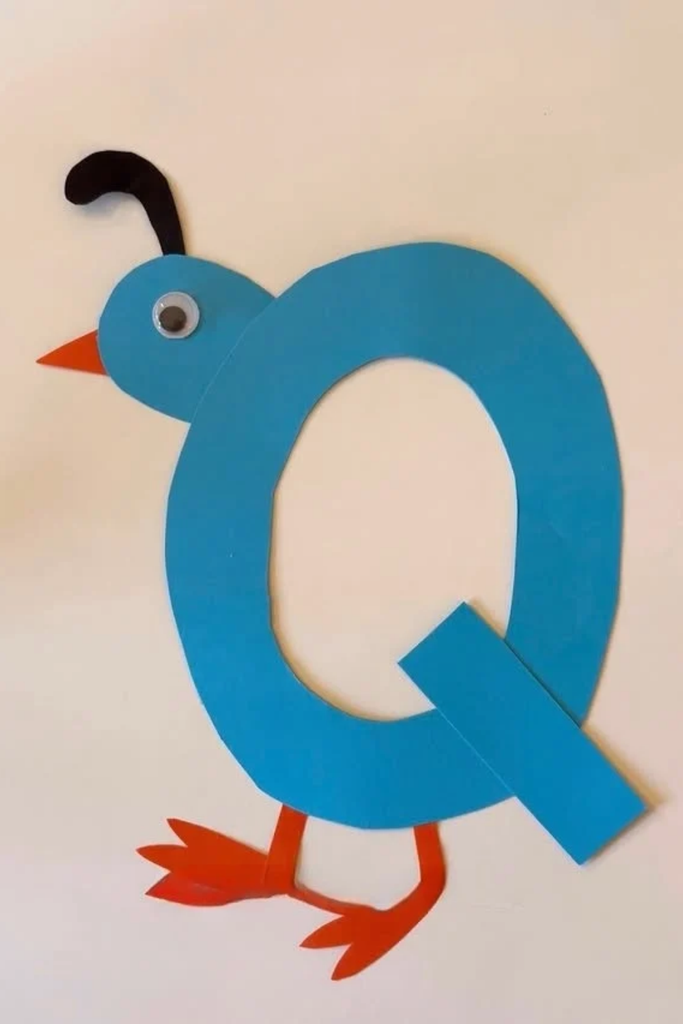
Help your preschooler recognize letter Q by turning a large blue paper cutout into a cute quail with simple bird features.
Attach a round head, orange beak, googly eye, black head feather, and orange feet while leaving the Q shape clearly visible.
Hang the finished bird on your classroom alphabet wall and encourage children to say quail while pointing to the letter.
Letter Q Hunt
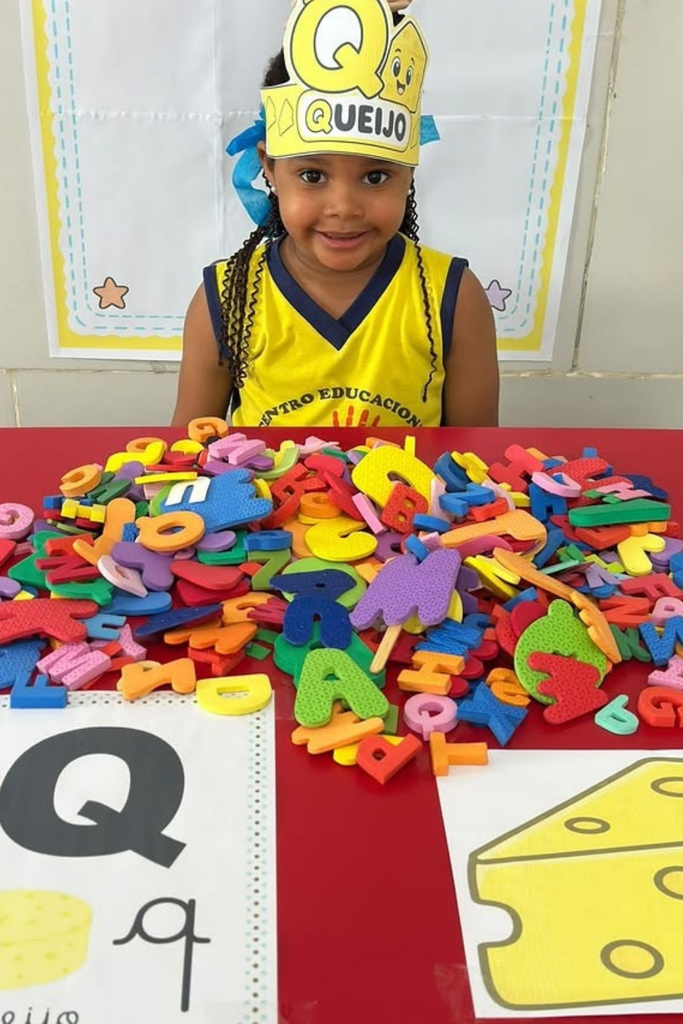
Turn alphabet recognition into a hands-on activity by spreading colorful foam letters across a table and placing a large Q card nearby.
Ask your preschooler to search through the letters, pick out every Q, and match each one with the printed card.
Use this activity during preschool literacy centers to help children recognize uppercase and lowercase Q.
Fabric Quilt Q
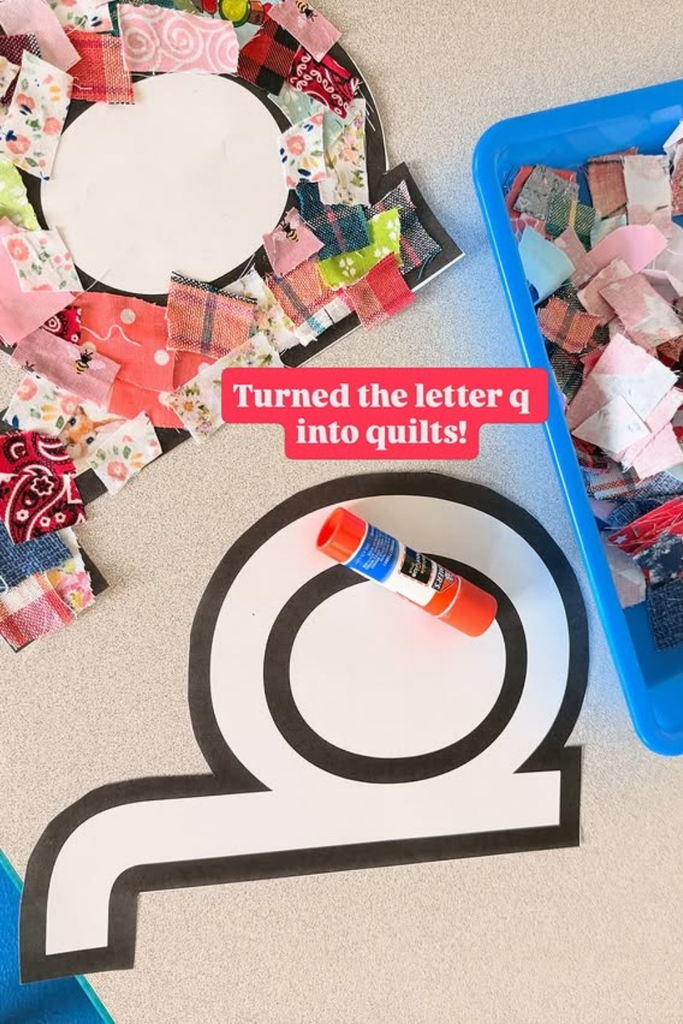
Make a vibrant quilt activity out of a giant lowercase Q using leftover fabric scraps so toddlers can explore through touch.
Print a bold letter q, cut fabric into small squares, and let children glue different patterns across its shape.
Try this activity during a preschool sensory lesson to introduce the word quilt while helping little hands practice picking, placing, and gluing fabric pieces.
Jeweled Queen Crown
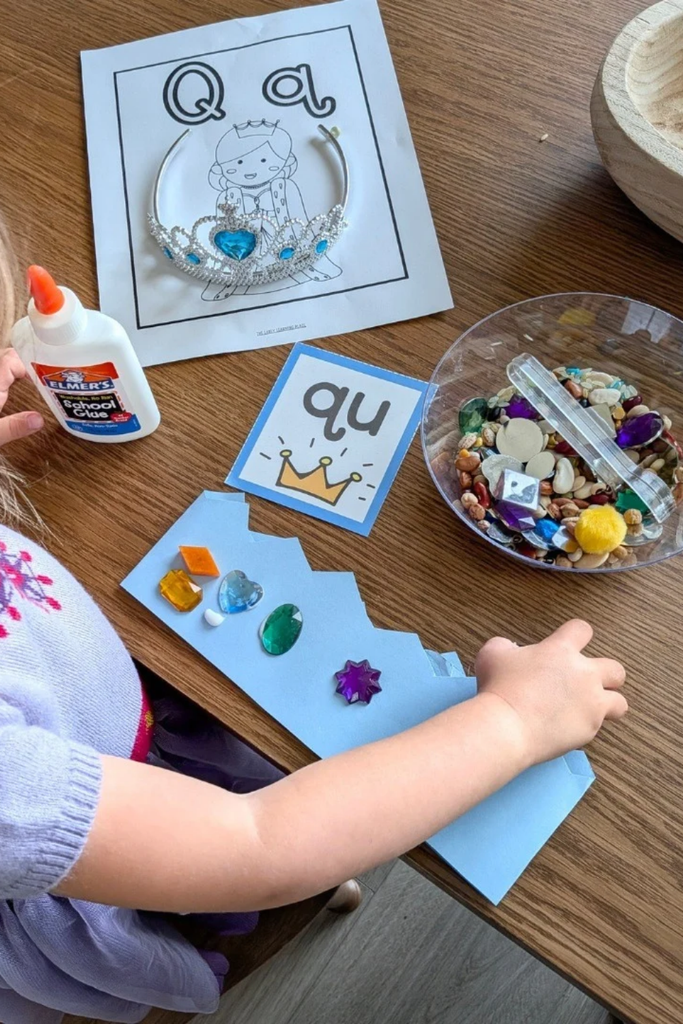
Bring some sparkle into your letter Q lesson by letting preschoolers decorate a paper queen crown with colorful plastic gems and stickers.
Cut a crown shape from blue cardstock, then let your child arrange and glue the decorations while practicing the word queen.
Pair the craft with a Q and q coloring sheet for extra letter recognition, and supervise closely when using small decorative pieces.
Queen Letter Display
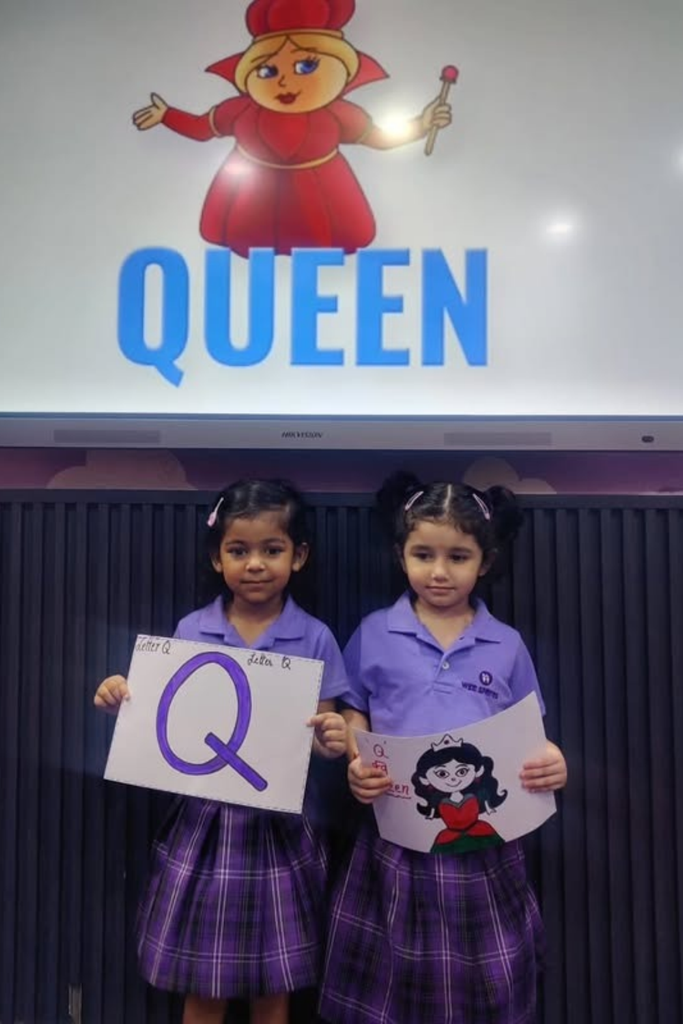
Make letter Q practice more interactive by having preschoolers create two separate posters, one featuring a large Q and another showing a queen.
Let children color the letter, decorate the queen’s dress and crown, then present both pictures during classroom alphabet time.
Point to the word queen and ask children to identify its first letter, helping them connect the Q shape with its sound.
Sequined Queen Letters
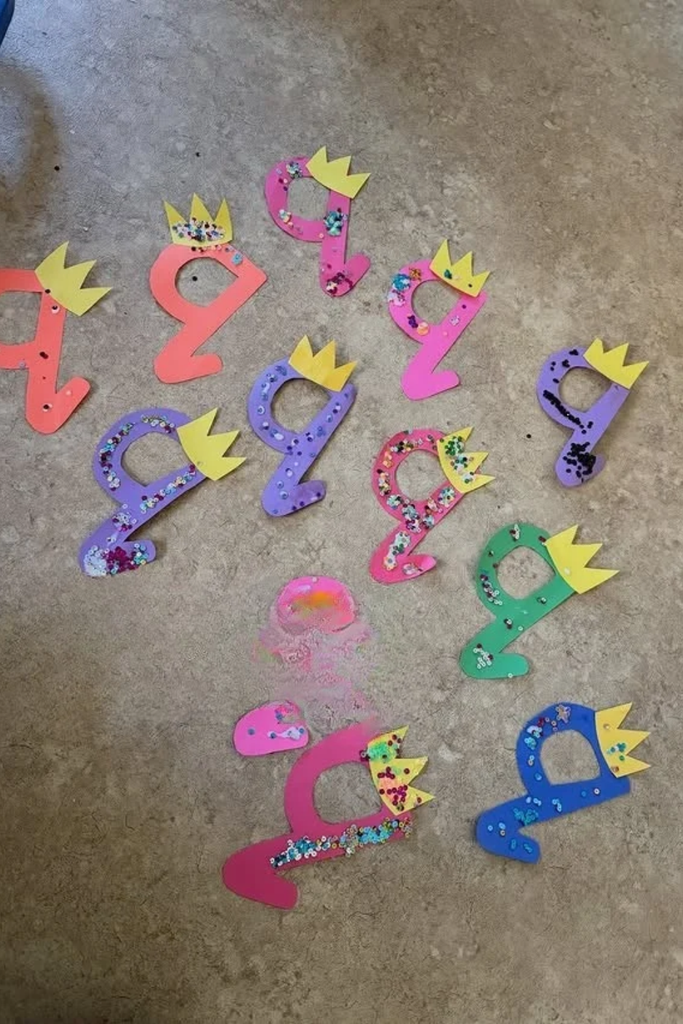
Give lowercase q a royal makeover by cutting its shape from colorful cardstock and adding a small yellow paper crown.
Preschoolers decorate their letters with shiny sequins, glitter, and stickers while practicing the word queen and recognizing lowercase q.
Display the finished crafts together on an alphabet board so children can compare their designs and remember the letter’s round shape and long tail.
Queso Cheese Craft
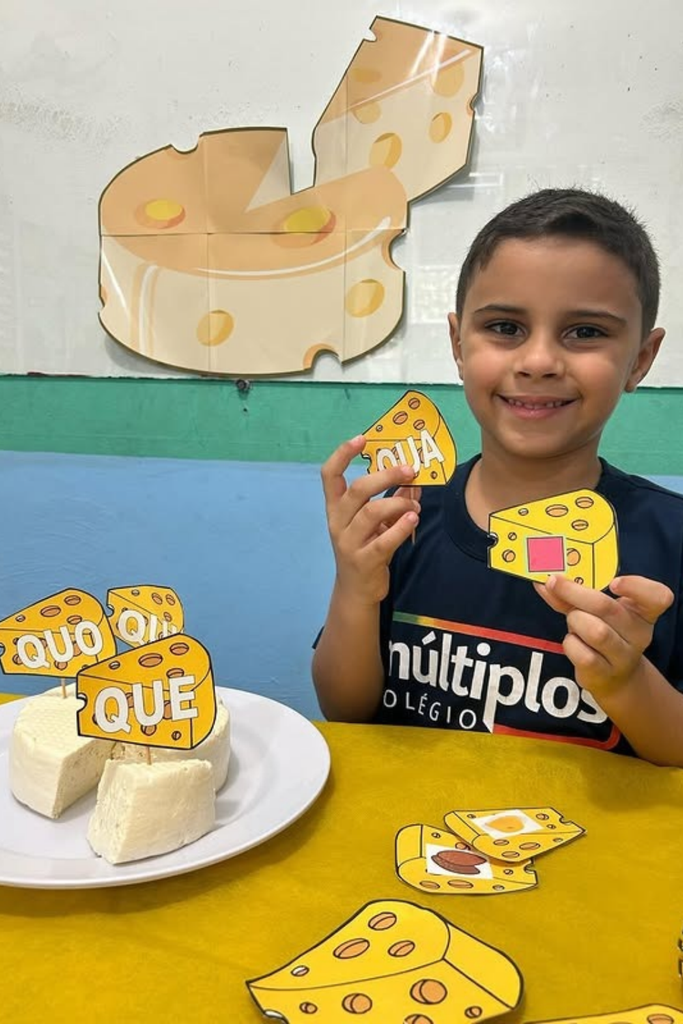
Introduce a new Q word through a playful cheese activity using yellow cardstock, crayons, and small paper cutouts.
Cut cheese shapes with round holes, then let preschoolers decorate them and match the letters in the word queso.
Try this during a food-themed alphabet lesson to teach that queso means cheese in Spanish while practicing letter recognition and matching skills.
Queen Coloring Craft
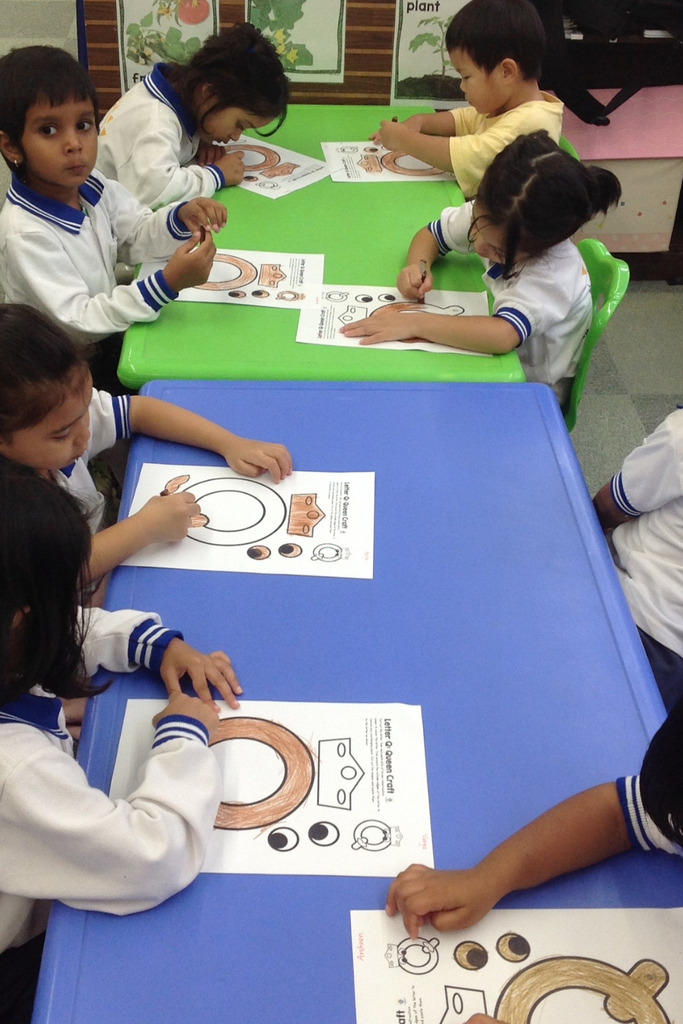
Make classroom alphabet time easier with a printable letter Q worksheet featuring a queen’s crown, eyes, and other paper decorations.
Let preschoolers color the large Q, then cut and glue the crown and facial features to turn it into a queen.
Encourage children to say queen while working and point out the Q shape to strengthen letter recognition and fine-motor skills.
Colorful Q Collage
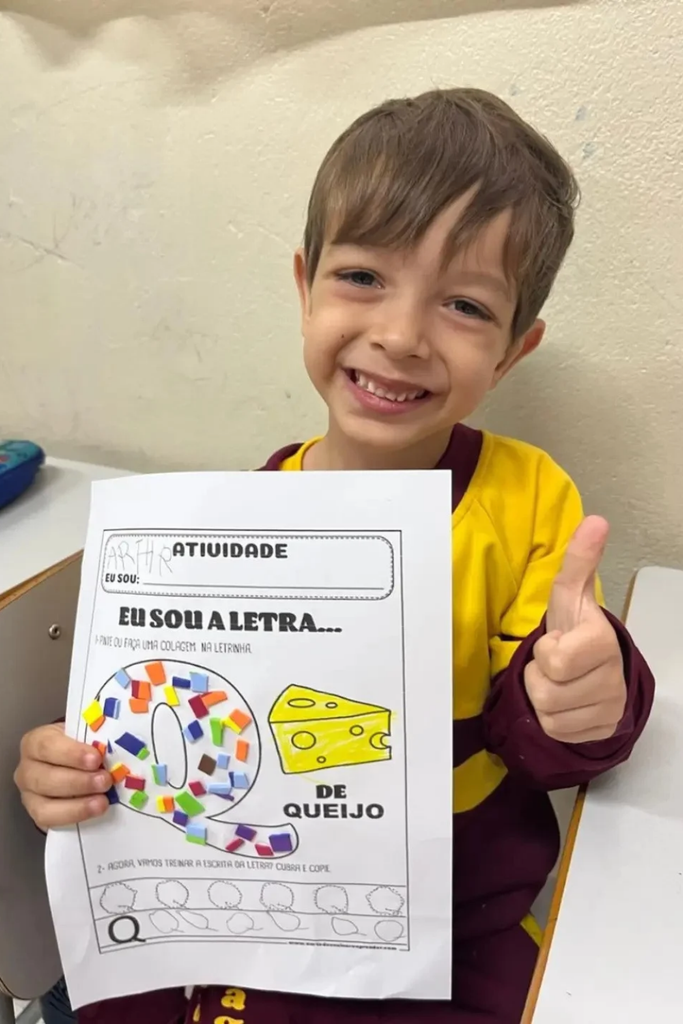
Turn a simple letter Q worksheet into a hands-on collage by giving your preschooler small squares of colorful paper and glue.
Let your child fill the large Q outline with paper pieces, then color the cheese picture to connect the letter with queijo, the Portuguese word for cheese.
Finish with a little Q tracing practice to help children recognize the letter while improving finger control and early writing skills.
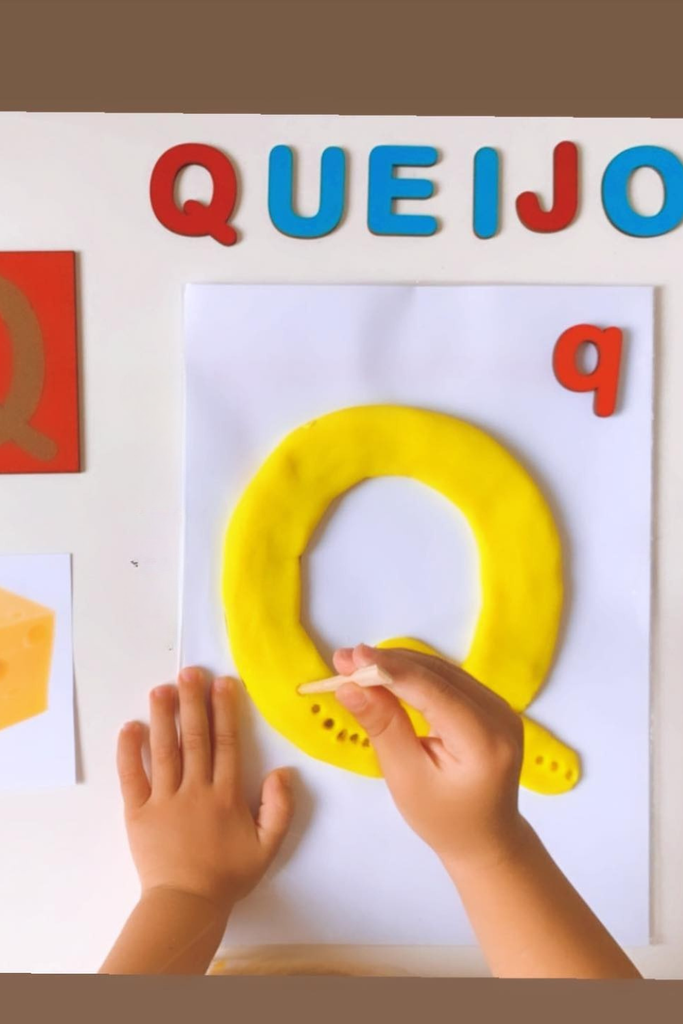
Playdough Cheese Q
Make letter Q practice more hands-on by shaping yellow playdough into a large Q and turning it into a piece of cheese.
Give your preschooler a cotton swab to press small holes into the dough while pointing out the letter’s round shape and tail.
Pair the craft with a cheese picture and the word queijo for a Portuguese alphabet lesson that also builds finger control.
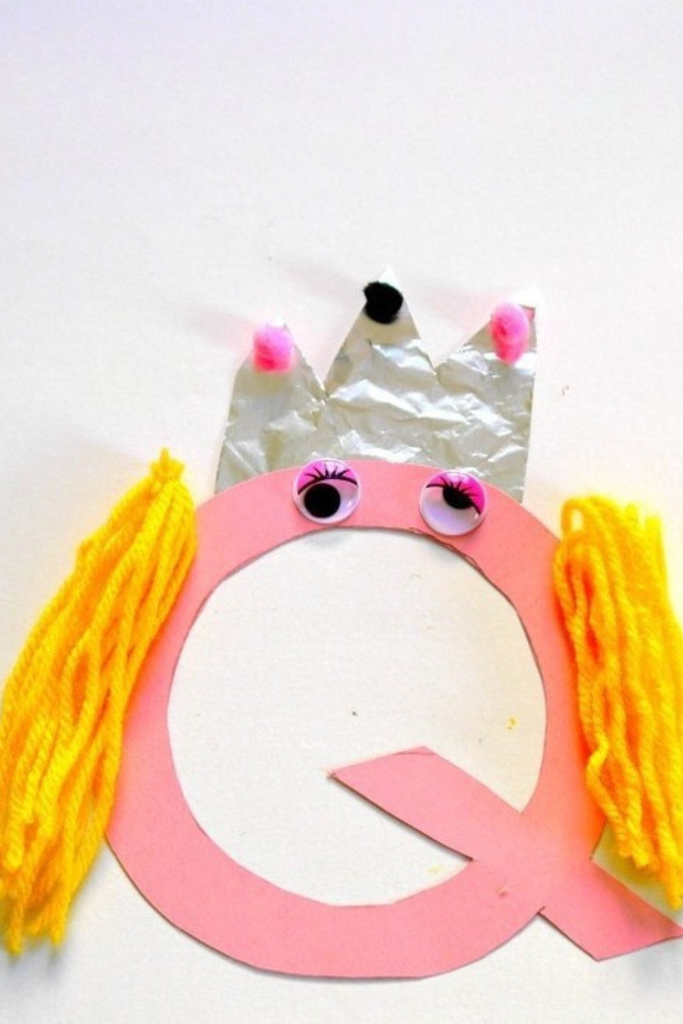
Yarn Hair Queen
Give your preschooler a fun way to learn letter Q by turning a large pink paper cutout into a queen with bright yellow yarn hair.
Cut a crown from silver foil, add googly eyes and colorful pom-poms, then glue yarn strands along both sides of the letter.
Use this craft for a letter-of-the-week display while helping children practice the word queen and recognize the Q shape.
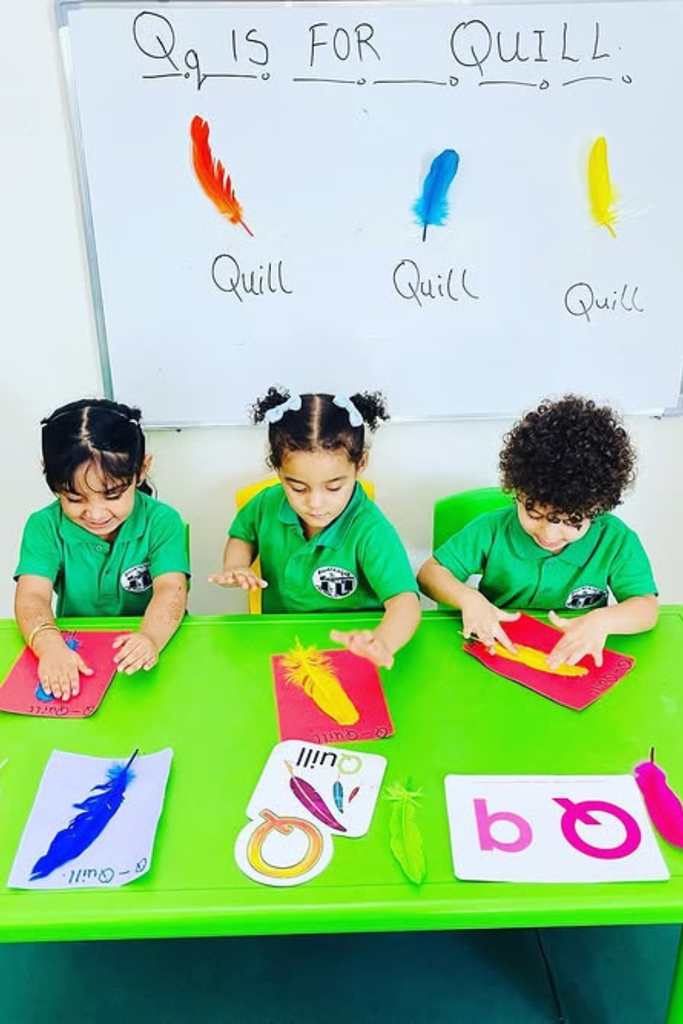
Colorful Quill Craft
Introduce the word quill through a simple feather craft that lets preschoolers explore letter Q using colorful feathers and paper.
Give each child a bright feather to glue onto cardstock then add uppercase Q and lowercase q beside their finished work.
During classroom alphabet instruction, use this exercise to help kids recognize the letter and develop their hand-eye coordination.
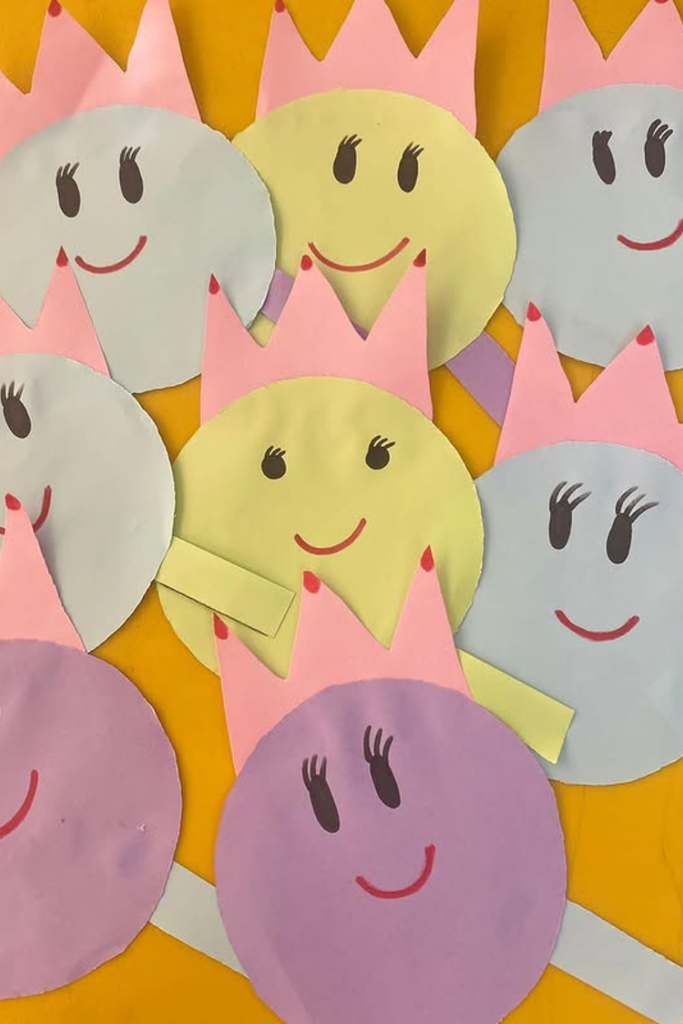
Paper Queen Faces
Cut colorful round faces and add pink paper crowns with pointy points to transform plain paper circles into joyful queens.
Let preschoolers draw eyes and smiles, then attach paper strips underneath to create handles for their little queen puppets.
Use these during circle time to practice the word queen, and ask children to identify its beginning letter before showing their creations.
Colorful Quilt Squares
Mix alphabet practice with simple pattern-making by letting preschoolers decorate small paper squares using crayons, markers, or washable paint.
Arrange the colorful squares around a large Q outline, then use another set to create a patchwork quilt on yellow cardstock.
Try this during a preschool art lesson to help children connect Q with quilt while practicing shapes, colors, and paper arrangement.
FAQs
What Can I Use for Letter Q Crafts if I Don’t Have Special Craft Supplies?
You can make plenty of letter Q crafts using construction paper, crayons, glue, yarn, and leftover fabric scraps.
Try cutting a large Q from cardboard and letting your preschooler decorate it with torn paper or colorful stickers.
Even simple materials can help children recognize the letter while practicing their cutting, gluing, and coloring skills.
How Can I Help My Preschooler Remember the Difference Between Q and O?
Start by showing your child that uppercase Q looks like O with a small tail. Cut both letters from cardstock.
Let your preschooler attach a paper strip to O to turn it into Q. Repeat the activity with playdough or crayons, then ask your child to point out which letter has the tail.
Hi, I’m Afaf! I’m a law student who loves writing about everyday life – from home projects and crafts to fashion, beauty, and parenting tips.
I’ve been writing for over a year, sharing ideas that are simple, practical, and easy to try. I write about things I find interesting and useful, whether that’s organizing a space, trying a new DIY, or finding activities to keep kids entertained.
My goal is to share helpful ideas without making things complicated. If it works in real life, I’ll write about it.
When I’m not studying or writing, I’m usually experimenting with new projects or scrolling for inspiration!