
26 Cat Crafts Ideas for 2026
This is something that every cat owner goes through. You buy your cat a toy, and it plays with it for two days before ignoring it and leaving it beneath the couch.
In the meantime, your cat still gets bored, knocks things over, or asks for attention at the worst times.
The part that makes me mad? You undoubtedly already have stuff at home that will keep your cat active; you just don’t know how to use them.
In this article, I will show you 26 easy cat crafts for kids that are quick to prepare and fun to create in 2026.
Let’s jump in!
What Can You Make for Cats Using Things You Already Have at Home?
You don’t need costly tools, sewing abilities, or another trip to the pet store to make your cat happy.
You probably have most of the things your cat likes in your house already; you just haven’t looked at them from a cat’s point of view yet.
If you know how to use them, boxes, paper, old clothes, and other miscellaneous things around the house can become toys, beds, and play areas.
When you know what really makes a cat curious and instinctual, it’s easy to make useful things at home instead of hard.
Save this article for later!👇👇👇
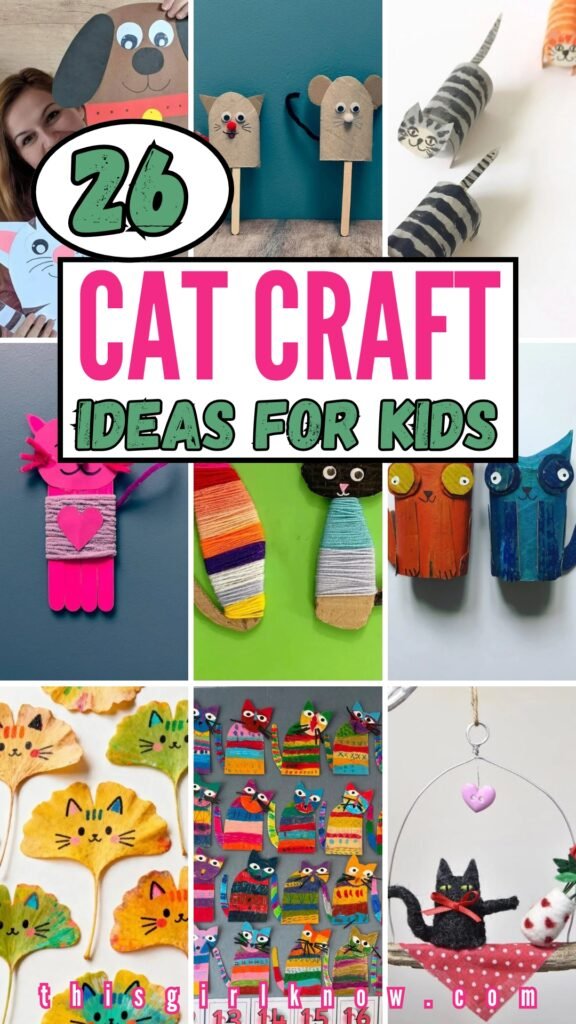
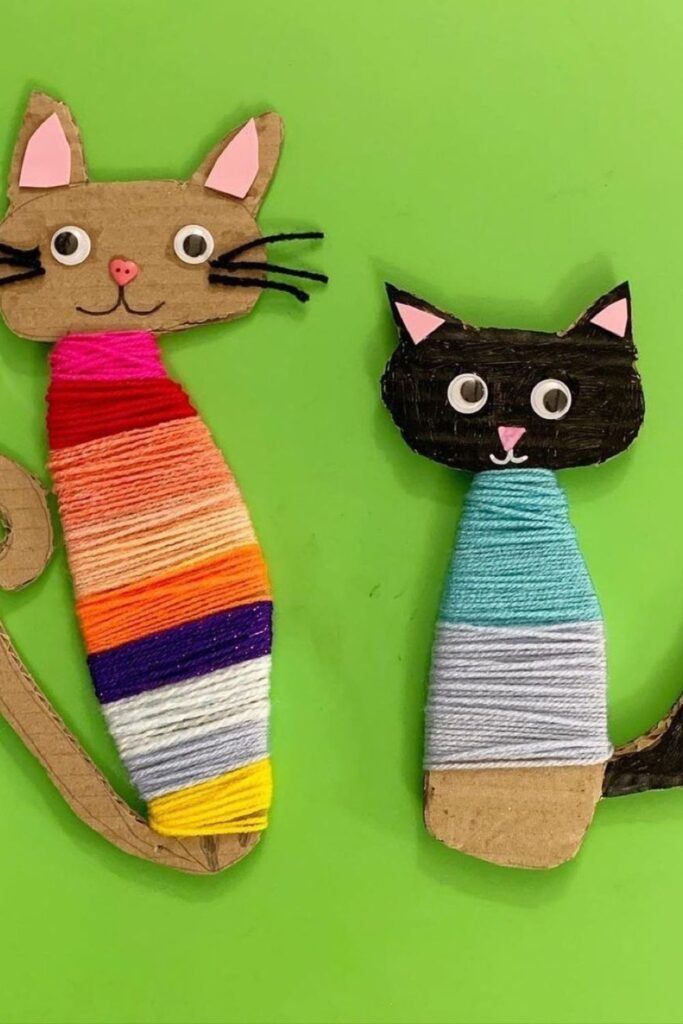
Yarn Cats
Color choice alone turns this into a kid-favorite craft, because children love picking shades that feel like “their” cat.
This is great for preschoolers and youngsters in early primary school when it’s quiet in the afternoon, during craft time in the classroom, or on rainy days at home.
To start, cut out simple cat shapes from cardboard. You don’t need to make them flawless.
Next is yarn wrapping, which helps kids improve their fine motor abilities without their knowing they’re doing it.
At the back, glue the ends of the yarn together and add paper ears, googly eyes, and whiskers made of pipe cleaners.
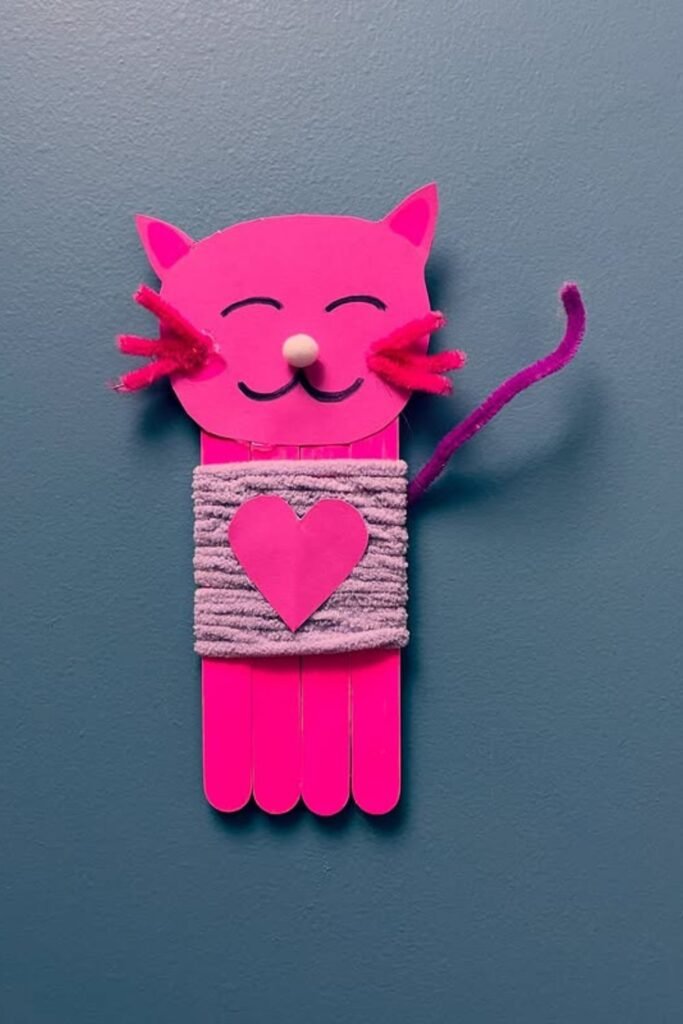
Stick Kitty
Bright colors do most of the work here, which is why this craft clicks instantly with kids who love bold choices and playful faces.
Popsicle sticks make a strong base, so it’s great for school projects, Valentine’s Day crafts, or a quick weekend project at home.
Put the sticks next to each other, glue them down, and then wrap yarn around the middle to make the body.
The paper shapes make the cat look real, and the pipe cleaners give it a lively, touchable texture that kids like to bend and change.
This one is great if you want something cute, quick, and easy to hang on walls or doors.
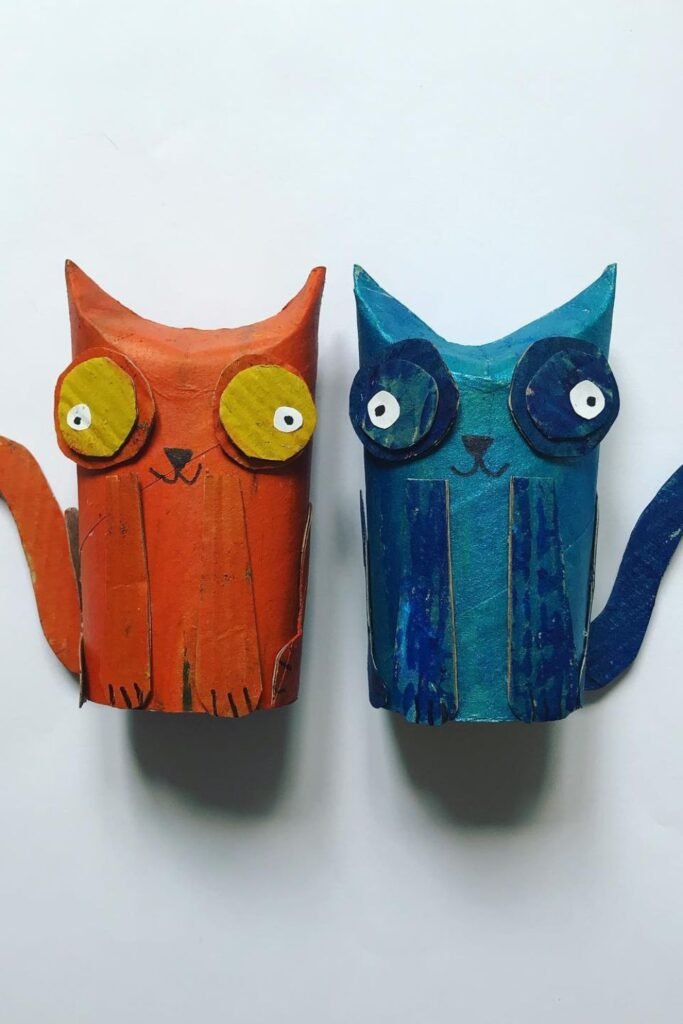
Tube Cats
Paint turns empty toilet rolls into something kids instantly connect with, which makes this craft perfect for classrooms, playdates, or art time at home.
The curved shape already looks like a cat’s body, so kids can focus on the cat’s personality instead of how to build it.
To make ears, lightly pinch one end of the tube. Then, let the kids color without worrying about clean lines.
You can use cardboard circles for eyes and simple marker lines to show how each cat feels.
This approach is great if you want to use things again and yet end up with something strong enough to put on shelves or tables.
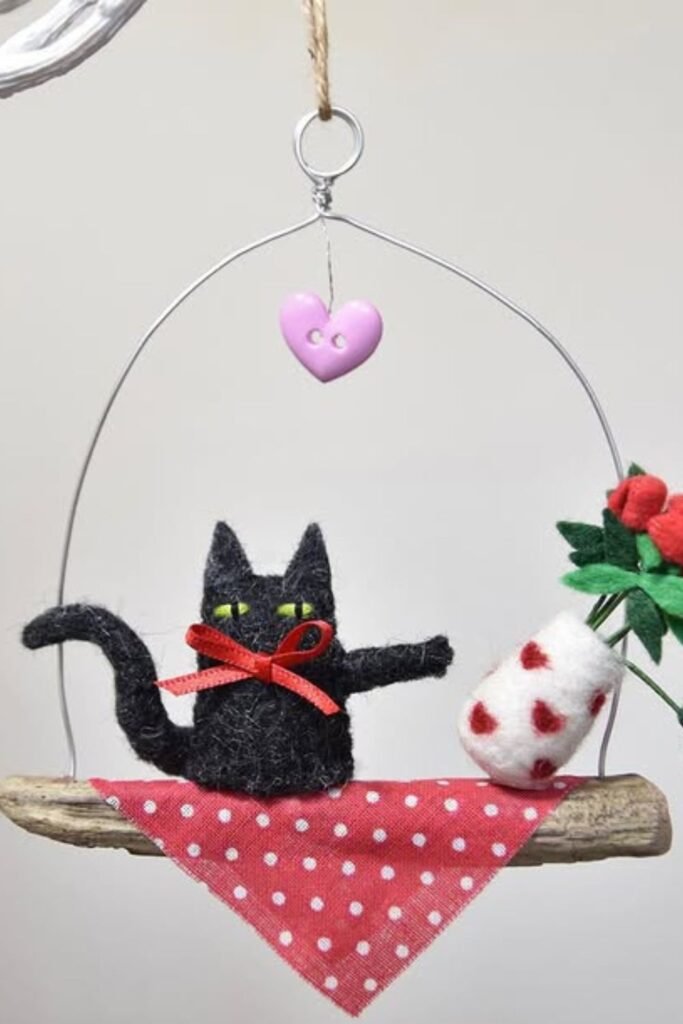
Felt Ornament
Soft textures pull kids in here, especially those who enjoy working with their hands rather than paint and glue.
This activity is great for the holidays, quiet afternoons, or small group projects when adults can help with cutting and tying.
The cat is made of felt, and a simple wire or string frame makes it a hanging decoration. For younger youngsters.
pre-cut shapes make things easier. For older kids, basic stitching or careful gluing is fine.
Kids can preserve finished ornaments on their bedroom walls, in their classrooms, or on seasonal trees.
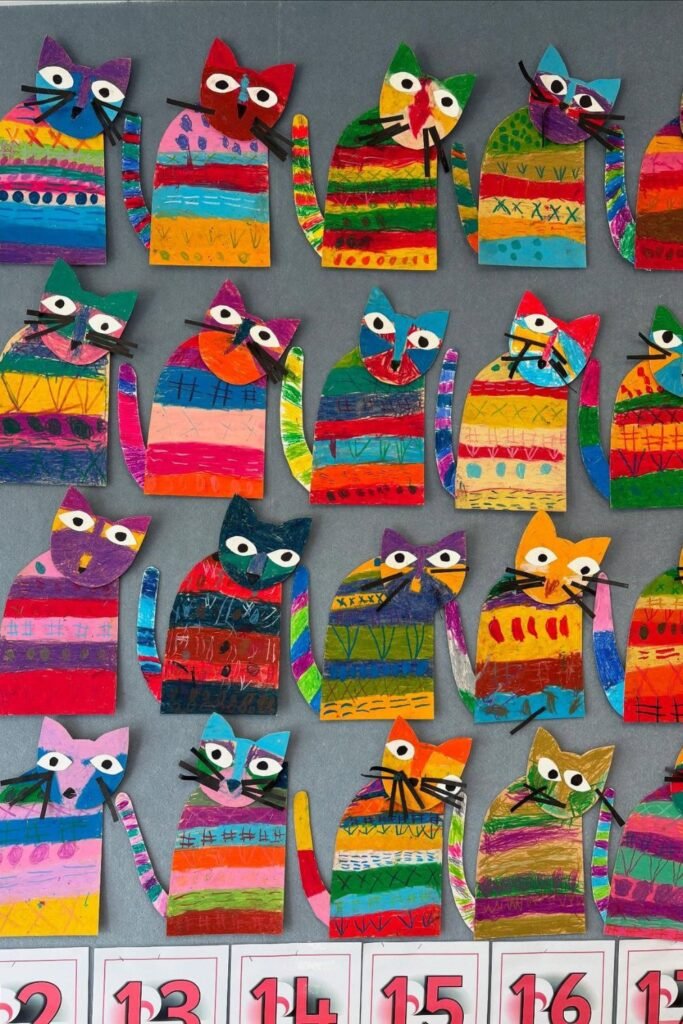
Pattern Cats
Color chaos is exactly what makes this craft work so well for kids. No two results ever look the same.
Which takes pressure off getting things “right.” This idea is great for classrooms, art clubs, or lengthy afternoons inside.
When youngsters need to be creative. Begin with basic paper cat forms, and then let kids add crayons, paint, or markers in.
Whatever way they like, such as stripes, dots, and textures. You do the faces last, after the bodies are done.
Teachers enjoy this one for exhibitions and themed art weeks since putting them all together on a wall makes each person’s work seem great.
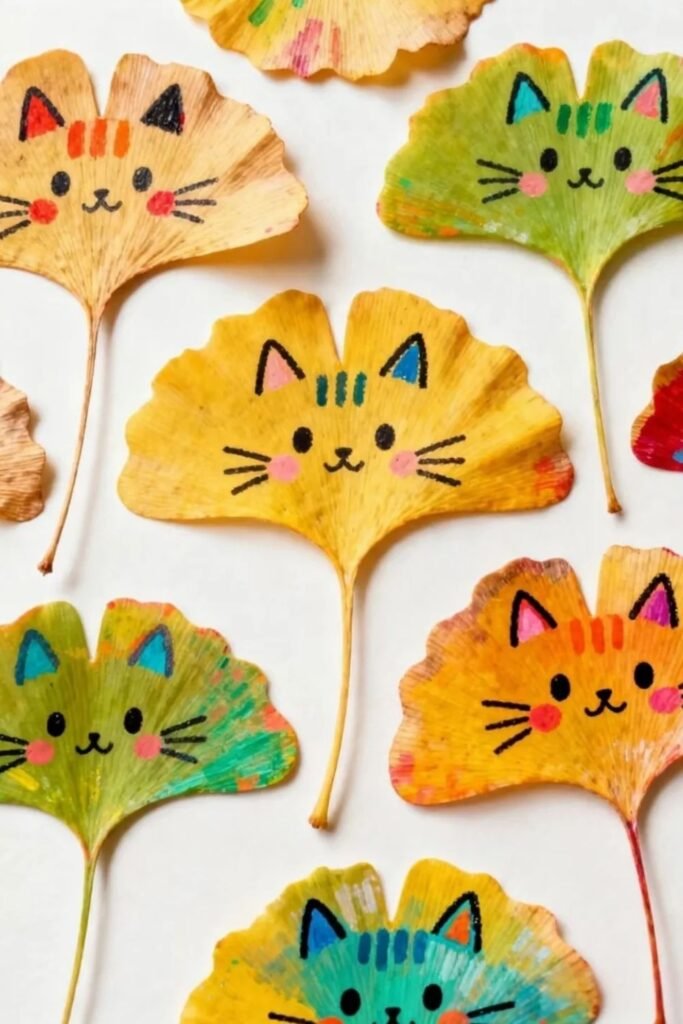
Leaf Faces
Nature does half the work for kids here, which is why this craft feels relaxing instead of messy.
Fallen leaves already have unique shapes, so kids can focus on adding expressions instead of making shapes from scratch.
This works great for walks in the fall, outdoor lessons, or quiet activities at the table at home. First, gather up some dry, flat leaves.
Then, use markers or paint pens to design simple cat traits right on the leaves. Light paint washes give color without covering up the texture.
Taping finished pieces to windows, notebooks, or seasonal boards looks fantastic and gives youngsters a reason to slow down and pay attention what’s going on around them.
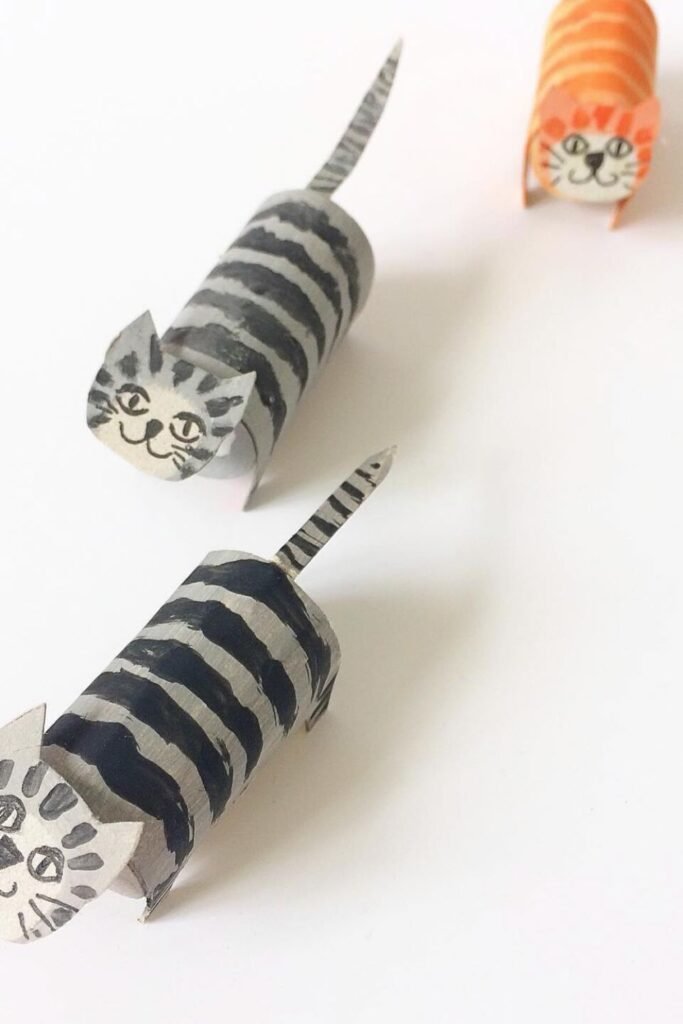
Paper Kitties
Stripes and tiny faces make this one feel playful without needing extra supplies. Rolled paper shapes suit younger kids.
Who enjoy drawing more than cutting. This makes it a fantastic choice for easy home activities or early art classes.
Take a piece of rectangular paper, coil it up into a loose tube, and glue the edge down.
Small paper circles can be used for faces, and hand-drawn patterns can quickly make things more interesting.
Tails can stay flat or bend a little to let them move. Kids love to line up several of these crafts like a tiny paper cat family on tabletops or shelves.
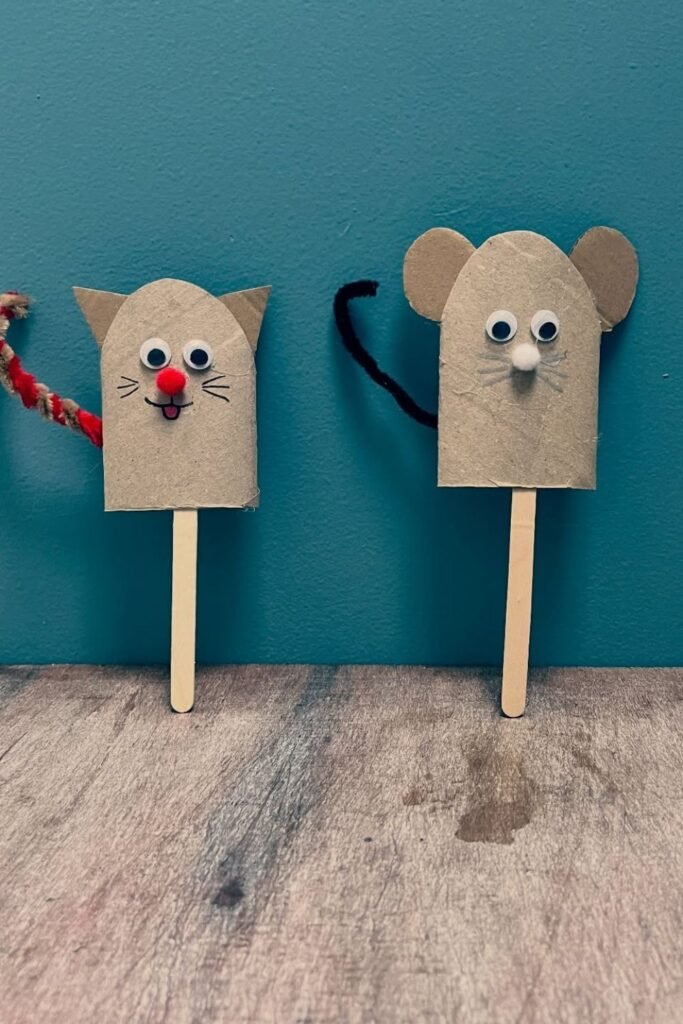
Puppet Cats
Storytime feels more exciting when kids can hold the characters themselves. Cardboard shapes glued onto craft sticks.
Turn into instant puppets. This idea is great for classrooms, playrooms, or peaceful imaginative play at home.
Cut out simple, round cat heads, add ears, and make the expressions expressive but easy to draw.
Kids can bend pipe cleaners into different shapes, which makes them great for tails. These puppets can be used for pretend play.
Brief performances, or reading sessions once they’re done. This keeps kids interested for longer without having extra toys or screens.
Giant Faces
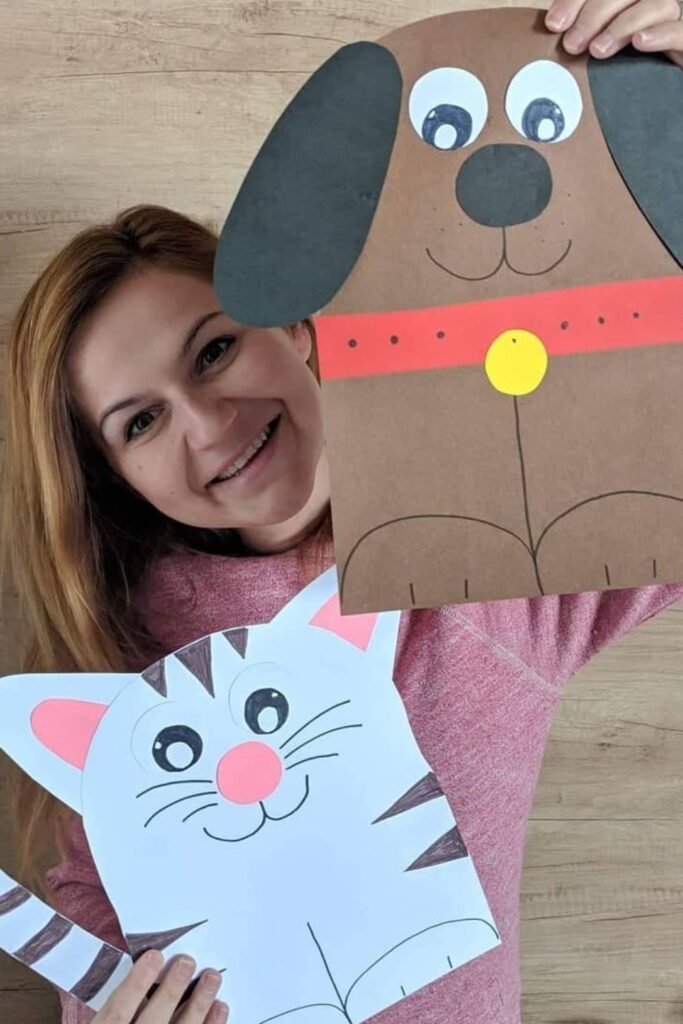
Kids are drawn to big paper crafts right away because they seem so big. This idea works best for group activities, games in the school.
Pretend play at home where youngsters desire something they can grip and “become.” Cut out simple pet.
Forms from big sheets of paper or poster board. Cats are a great choice because they have sharp ears and long tails.
Use markers to draw facial characteristics and stack paper pieces for noses, ears, and stripes.
Kids don’t even need handles; they naturally use them as masks or puppets, which keeps the fun going long after the making is done.
Clay Minis
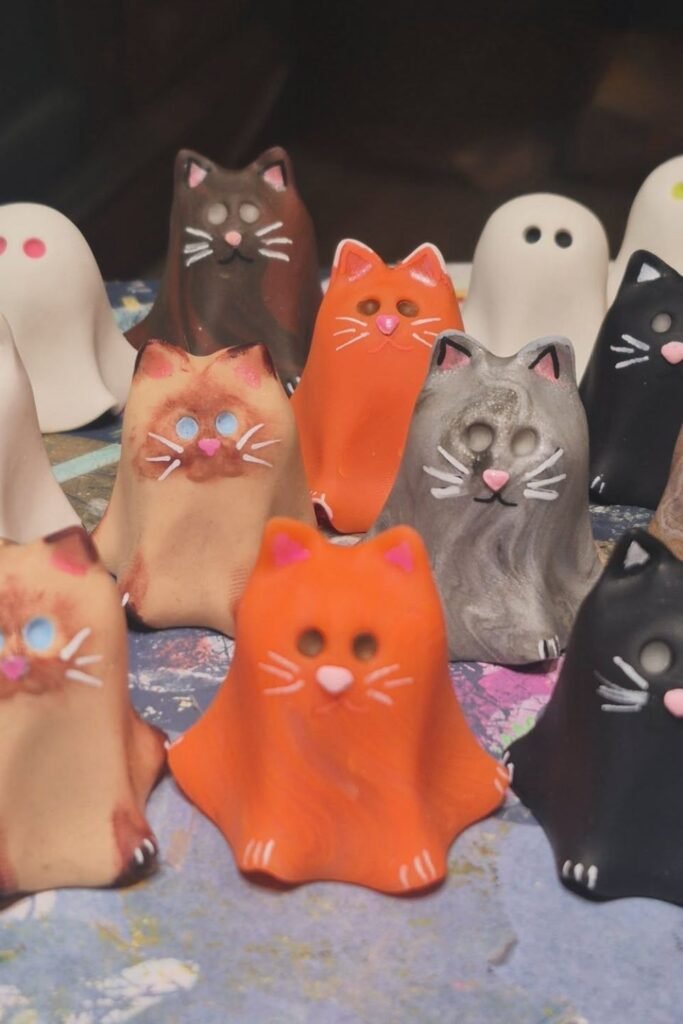
Tiny figures like these turn into instant favorites because kids can finish one quickly and still feel proud of the result.
This craft is great for quiet afternoons, art workshops, or small groups of kids who like to mold things with their hands.
Air-dry clay is easy because you don’t have to bake it. Start with a simple spherical body, crimp the ears, and then use your fingers or toothpicks to add little features.
After drying, painting feels like a second pastime instead of a chore. Kids can try out different colors and personalities.
When they make a lot of them at once. They typically end up putting them on shelves or tables like a mini cat collection.
Cat Masks
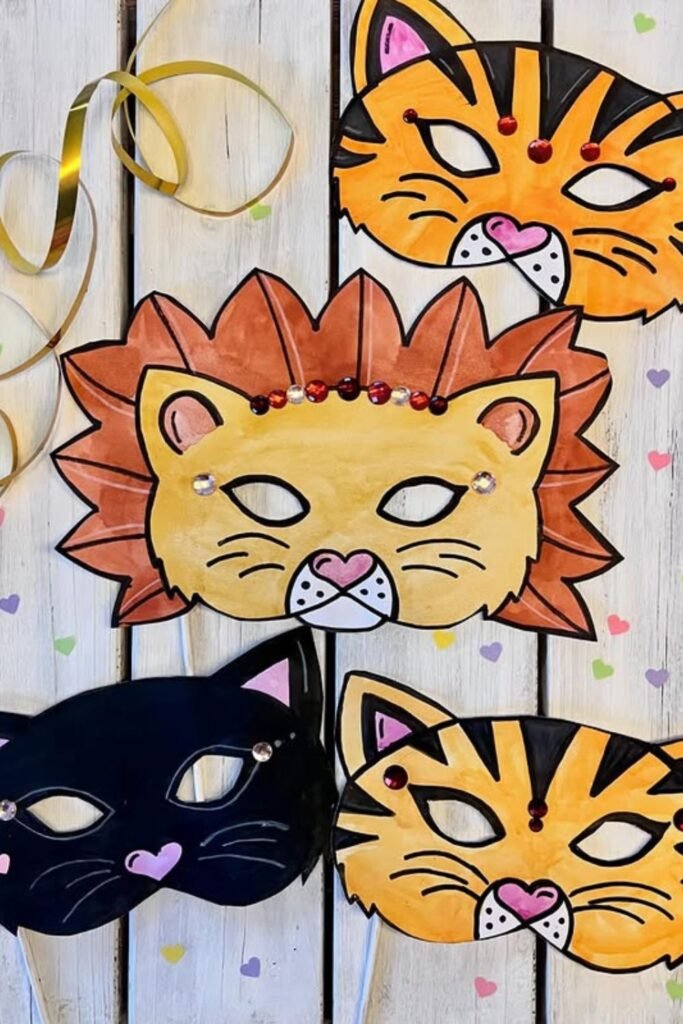
Dress-up energy kicks in the moment kids see eye holes. This craft shines at birthday parties, classroom celebrations, or pretend-play corners.
Where creativity is more important than getting things right. Paper or cardstock plates are strong enough to hold masks up without making them heavy.
First, cut out the form. Then, let the youngsters paint bright colors and patterns on it before adding small embellishments like diamonds or whiskers.
It stays on without any trouble thanks to the ribbon or elastic on the sides. Younger kids like to decorate.
While older kids like to act out little scenes after they’ve made their masks. It’s one of those crafts that doesn’t stay on the table; it automatically turns into play.
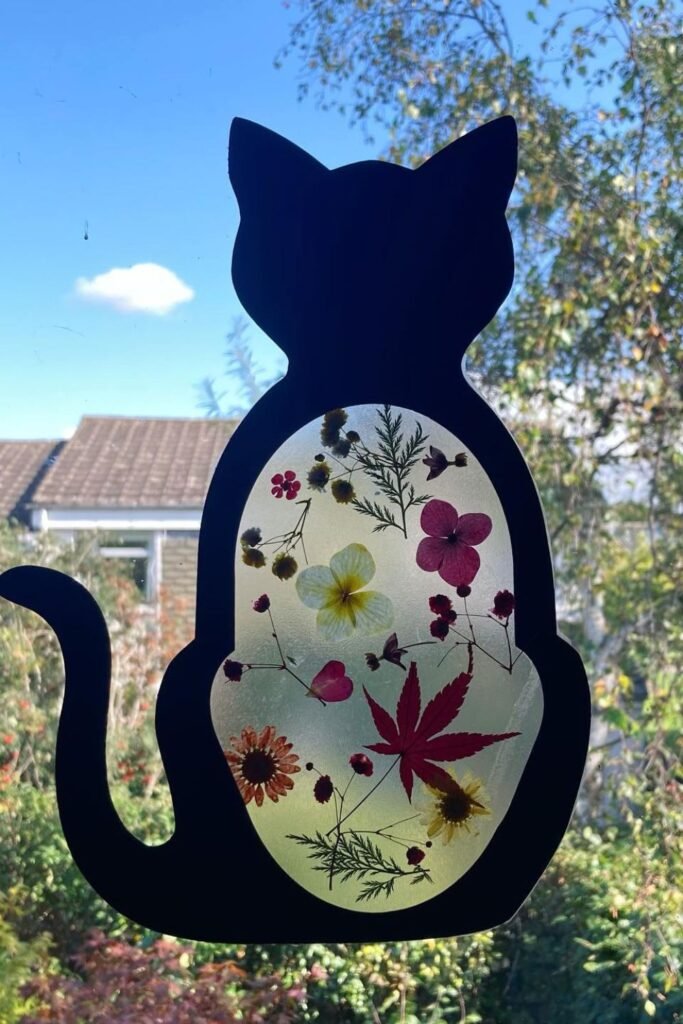
Flower Window
Sunlight becomes part of the craft with this idea, which is why kids stay interested from start to finish.
Flowers pressed into a glass cat shape make regular windows look personal and serene.
This works best when kids are learning about nature, doing spring activities, or having calm afternoons when they like to work on slower crafts.
To begin, gather and dry small flowers and leaves.
Then, cut two sheets of clear contact paper or laminating film into the shape of a cat and place the flowers and leaves between them.
When you hang it near a window, the colors glow naturally, which is a nice way to educate kids that art doesn’t always need paint to stand out.
Soap Cats
Kids have more joy doing crafts in the bathroom when they can use what they make. Kids don’t rush through washing their hands.
When they use cat-shaped soaps. This is a terrific idea for making gifts, doing crafts at home, or doing projects with kids.
This is the best spot to utilize melt-and-pour soap because it’s so simple and quick. A grown-up should do the heating, though.
Pour the molten soap into kitty molds and let the youngsters add soft colors or minor features before it hardens.
Kids can manufacture soaps that they can use or give as gifts after they are dried.
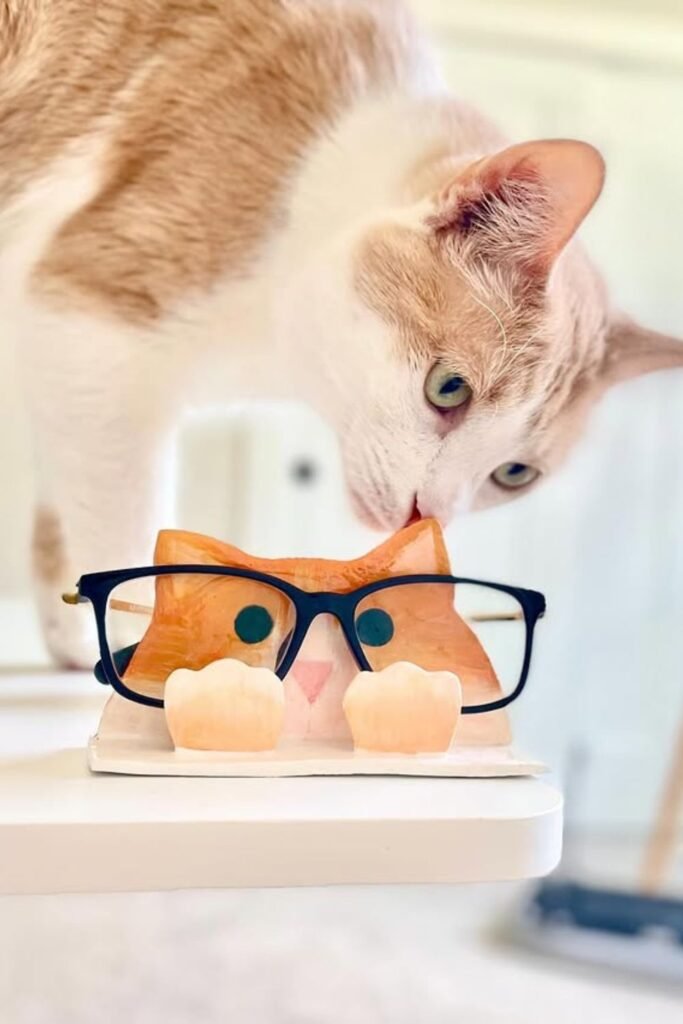
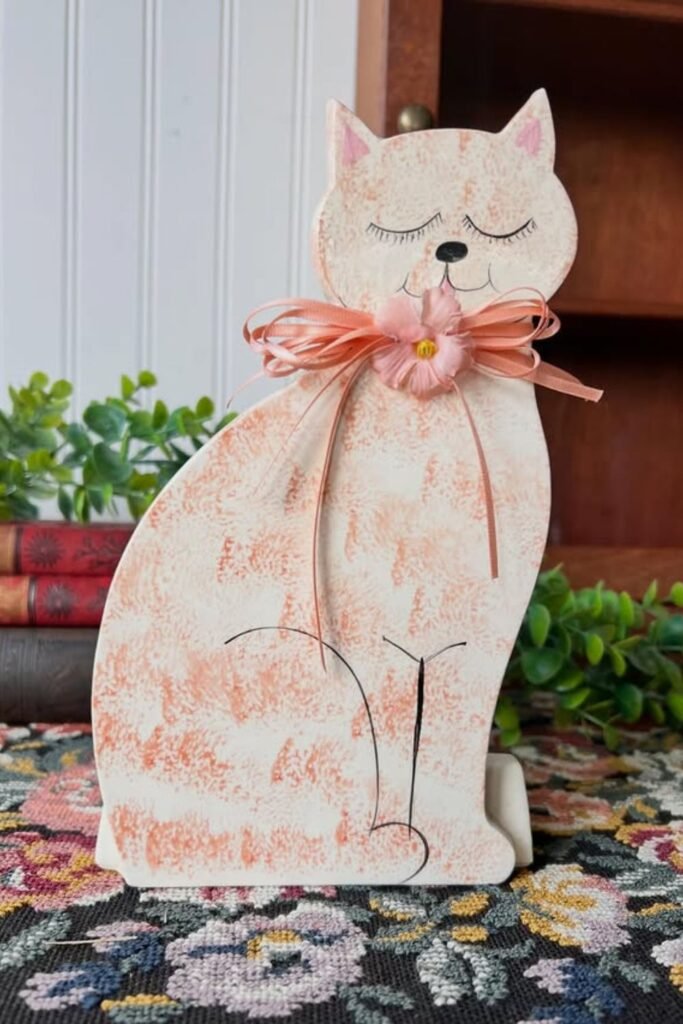
Wooden Cats
Calm, slow crafting suits this idea best, especially for older kids who enjoy taking their time with details.
Thin wooden cuts or unfinished plaques make a strong platform that doesn’t seem weighty or hard to work with.
Sanding the surface first makes it easier for paint to stick, which makes soft colors and basic patterns look better with less work.
The faces are simple, with closed eyes, little noses, and soft lines, so kids don’t get trapped trying to make their faces look flawless.
Adding ribbons or small fabric flowers makes the object look more finished and makes it feel like it belongs on a shelf, desk, or bedside table instead of being a temporary project.
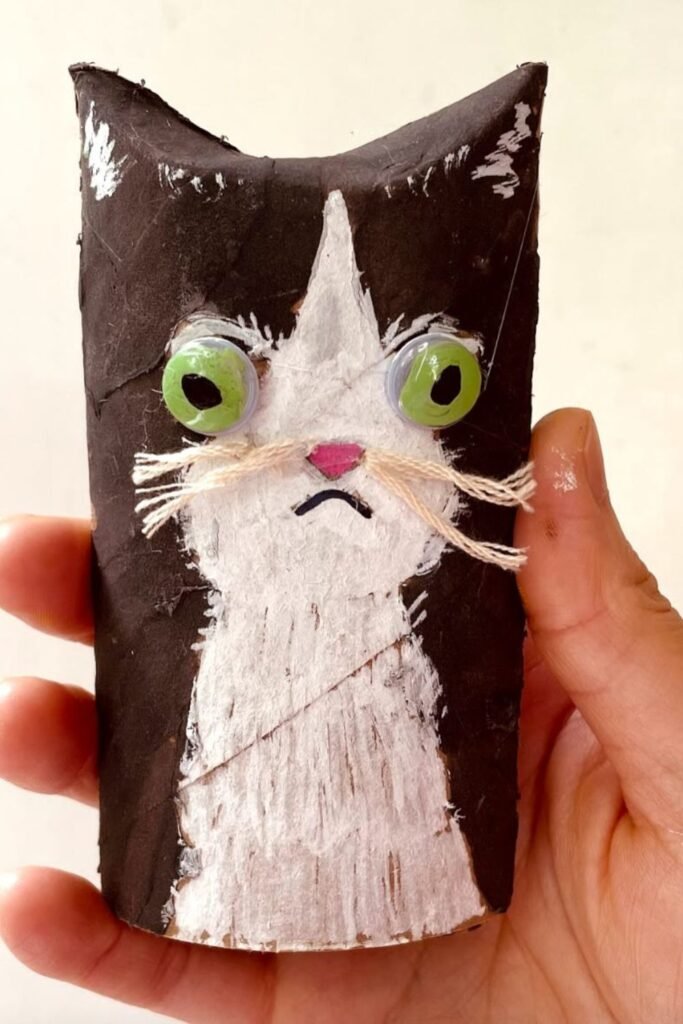
Roll Faces
Expressions steal the spotlight with this one, which makes kids laugh before they even start crafting.
Toilet paper rolls give the perfect base for practicing emotions, moods, and silly personalities.
This is a great way to keep kids’ attention in class, during lessons about feelings, or when they don’t have much time at home.
First, paint the roll and let it dry. Then, use yarn scraps, paint, or googly eyes to make the face.
You may make ears by pinching the top a little bit without cutting anything else.
Kids immediately compare their final faces, which makes this simple activity more than just another art project; it becomes a fascinating way to start a conversation.
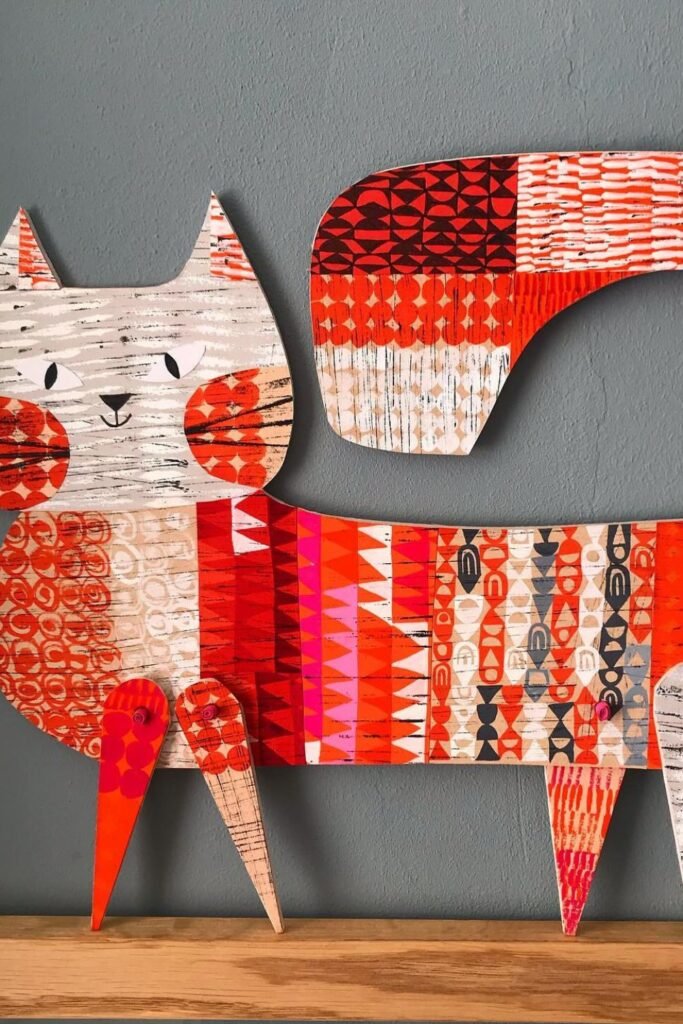
Pattern Panels
Bold patterns turn simple shapes into something kids feel excited to show off. This idea works best for older kids.
Who like to mix colors, textures, and patterns instead of doing simple projects. A solid base can be made from cardboard or thick paper.
And paint, stamps, or scrap paper can be used to make layered designs on the body.
Kids can focus on one part of the animal at a time instead of rushing when you break it up into pieces.
If you use paper fasteners to hold the legs and tails together, they can stay still or move a little.
The finished pieces look fantastic on shelves or walls and feel more like actual art than a project that will only last for a short time.
Heart Hug
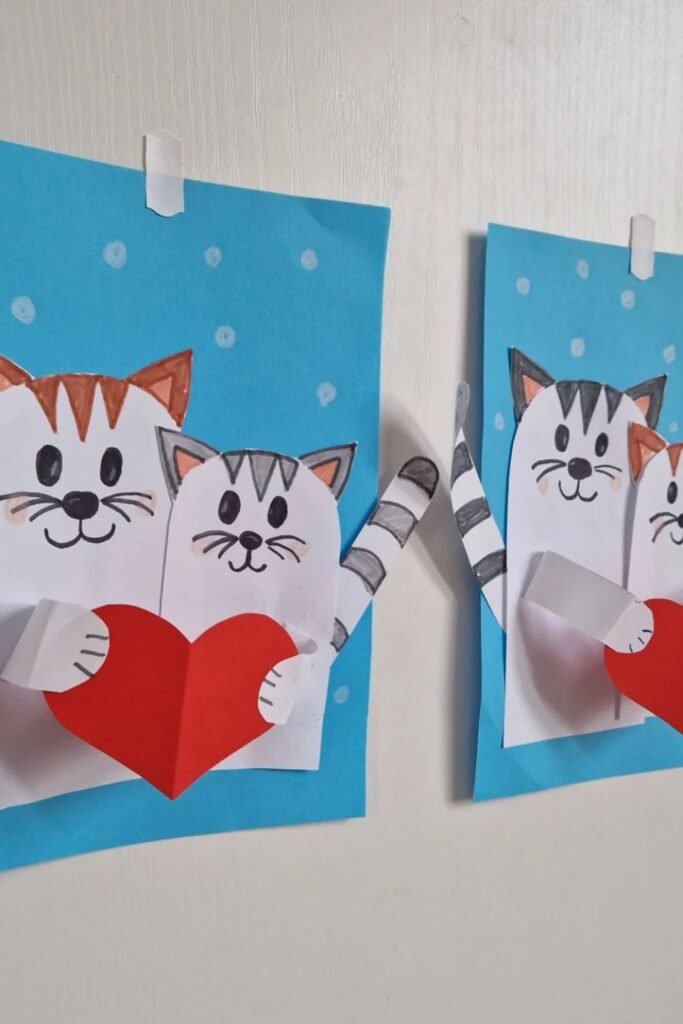
Folded paper adds movement here, which makes kids feel like their craft is doing something instead of just sitting flat.
This concept is great for Valentine’s Day, friendship themes, or activities in the classroom that are all about family.
Begin with easy cat cutouts on strong paper. Then, add folded strips for arms so they stick out.
A paper heart fits perfectly into the hug, providing kids a clear aim while they decorate. The faces stay simple so that the gesture is the major thing.
When you hang these on walls or doors they make a room feel warmer right away and give youngsters something to talk about when they talk about sharing and being nice.
Layer Scenes
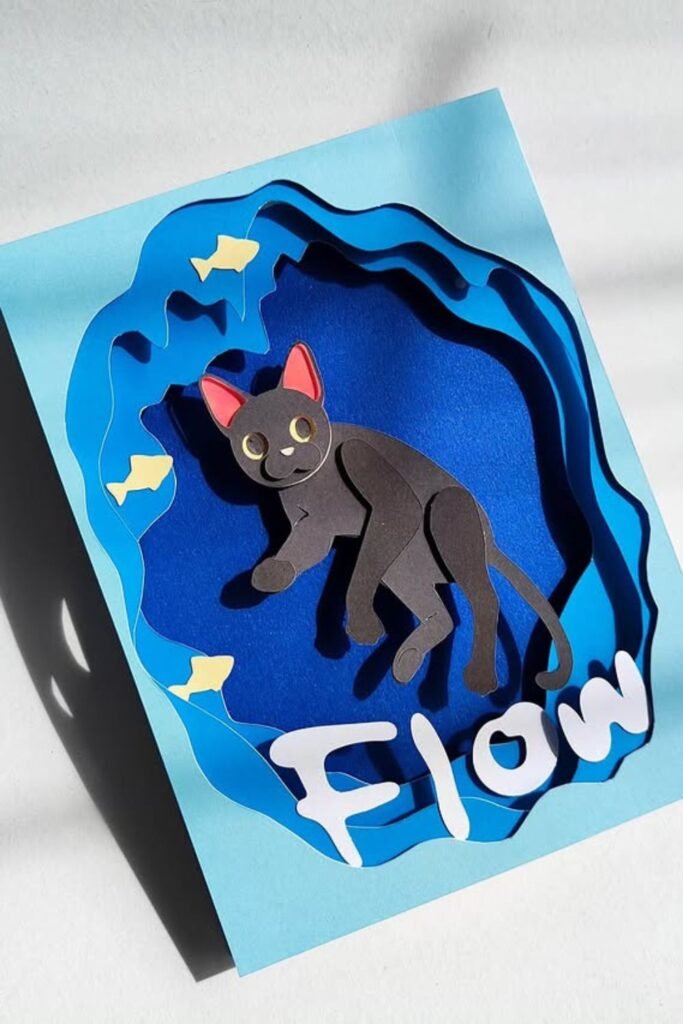
Depth changes everything for kids who like crafts that feel more advanced without being hard.
This is great for older kids, school art projects, or name-themed wall art since stacked paper layers form a shadow box effect.
First, make a solid background. Then, for each layer, cut shapes that are a little smaller than the last one so that the scene grows up from the inside.
You can add space between layers using foam tape or folded paper scraps without any extra tools.
A simple cat shape looks best in the middle, while fish, bubbles, or names make the scene more personal.
Dangly Pals
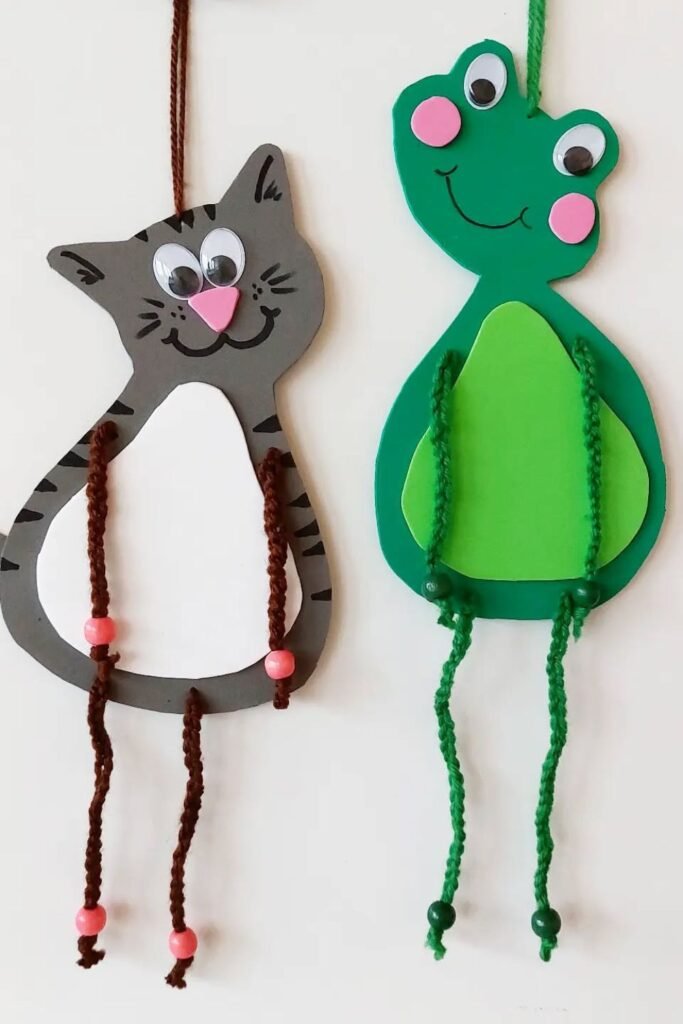
Movement keeps kids interested longer and swinging legs turn a flat craft into something playful.
Paper cutouts are great for this, especially for smaller kids who like to thread and tie things together. First, cut out a simple cat form.
Then, at the bottom, make little holes for the yarn legs. Kids enjoy to test the beads once they’re done since they provide weight and a little sound.
Putting these on doors, hooks, or bulletin boards makes them seem more like interactive than decorative.
This idea works well for fine motor exercise, crafts for rainy days, or school projects where students want to do crafts that move around.
Paint Play
Freedom matters more than neatness with this kind of art, which is why kids relax and enjoy it right away.
You can paint enormous shapes on a big piece of paper without worrying about remaining inside the lines.
Kids can start with a simple outline of a cat’s face to make them feel like they know what to do. Then they can color wherever their hands take them.
Use thick brushes or sponges because they move paint quickly and don’t make you angry.
This exercise is great for home, art class, or creative breaks when the process is more important than the end result. Paintings that are done feel personal, bold, and worth hanging up.

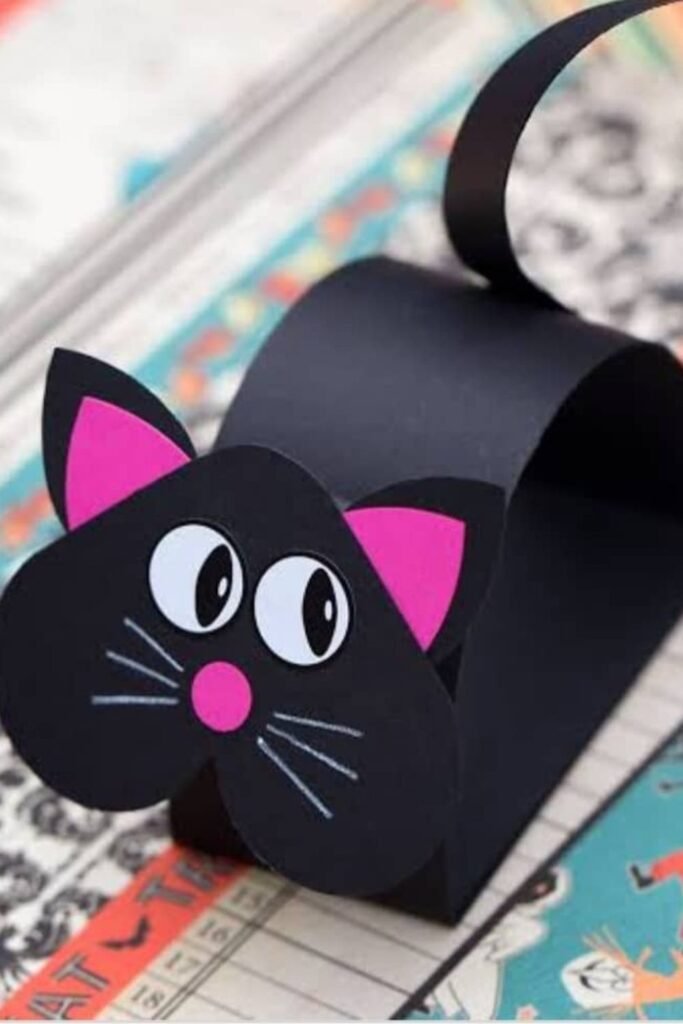
Paper Box
Curved paper instantly gives this craft a sturdy, playful shape that kids enjoy handling. A small cardboard box or folded cardstock forms the base.
This makes it great for pencil holders, desk organizers, or props for pretend play. Wrap the box in colorful paper first.
Then use cut-out pieces to make a simple cat face on the front. A curving strip at the back serves as a tail and makes the design look better.
This design works well in classrooms or places where kids do their homework because it combines.
Creativity with usefulness, giving youngsters something they want to have on their table.
Scrap Stack
Leftover paper finally gets a purpose with this idea, which makes kids feel clever instead of wasteful.
The body is made up of thin strips of magazine pages, present wrap, or vintage paintings that don’t have to match neatly.
This works best in classrooms or craft bins at home where leftovers tend to build up. One by one, glue the strips onto a simple cardboard cat form.
Then, to balance out the complex texture, place a plain face on top. If you put dark paint or paper behind the cat.
The colors will show out more. This will make haphazard leftovers look like they were planned and finished.

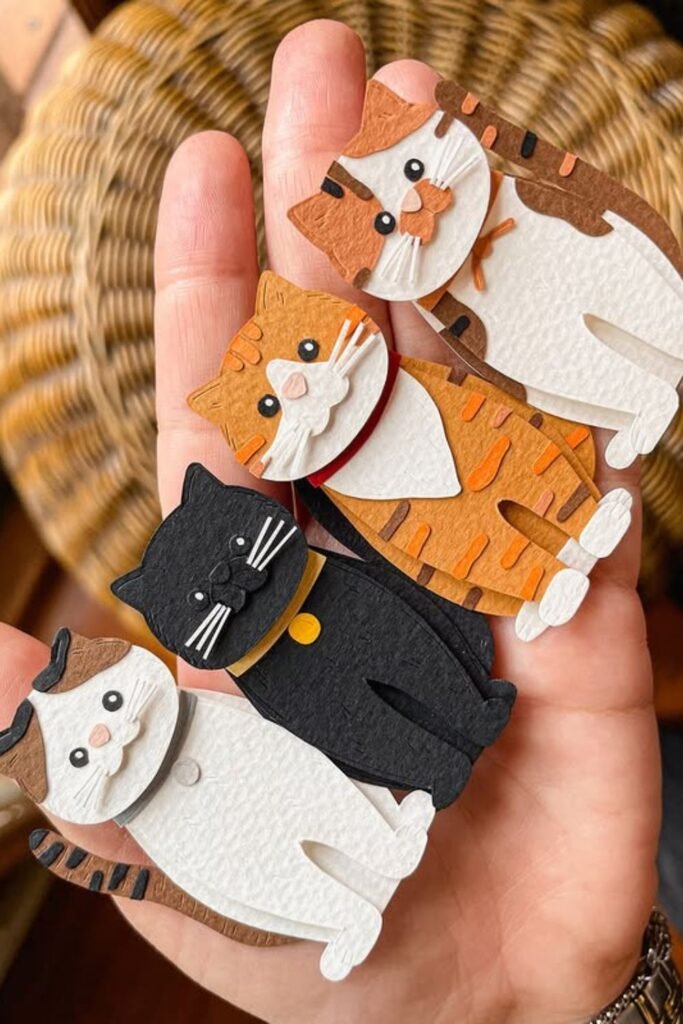
Foam Minis
Tiny size makes these feel special right away, especially for kids who like crafts they can hold, trade, or gift.
Foam sheets are the greatest choice because they’re easy to cut, light, and don’t mind if a shape isn’t perfect.
Cut out simple cat bodies first, then add smaller pieces on top for faces, stripes, and tails. Glue dries quickly here, so youngsters don’t have to wait long.
These are great for award boxes in the classroom, birthday parties, or peaceful table work at home.
When they’re done, they naturally become bookmarks, charms for bags, or tiny figures that kids keep in their pockets.
Origami Cat
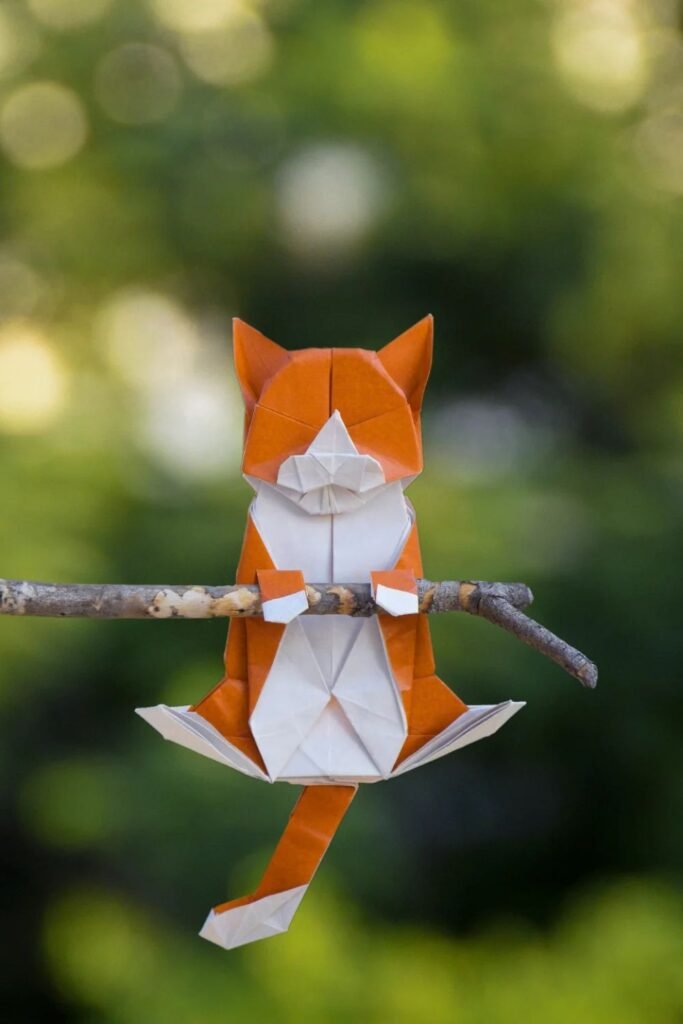
Folding paper slows kids down in a good way, especially when they like challenges that don’t involve paint or glue.
This approach is excellent for older students, calm afternoons, or times in the classroom when you need to pay attention.
You only need square paper to get started, and folding it one time at a time protects you from becoming too upset.
Adding bright colors or patterns to the paper makes the completed cat look more lively without adding extra processes.
Putting the cat on a pencil, stick, or branch gives it some personality and makes it a display piece instead of something that gets forgotten in a drawer.
Paper Quills
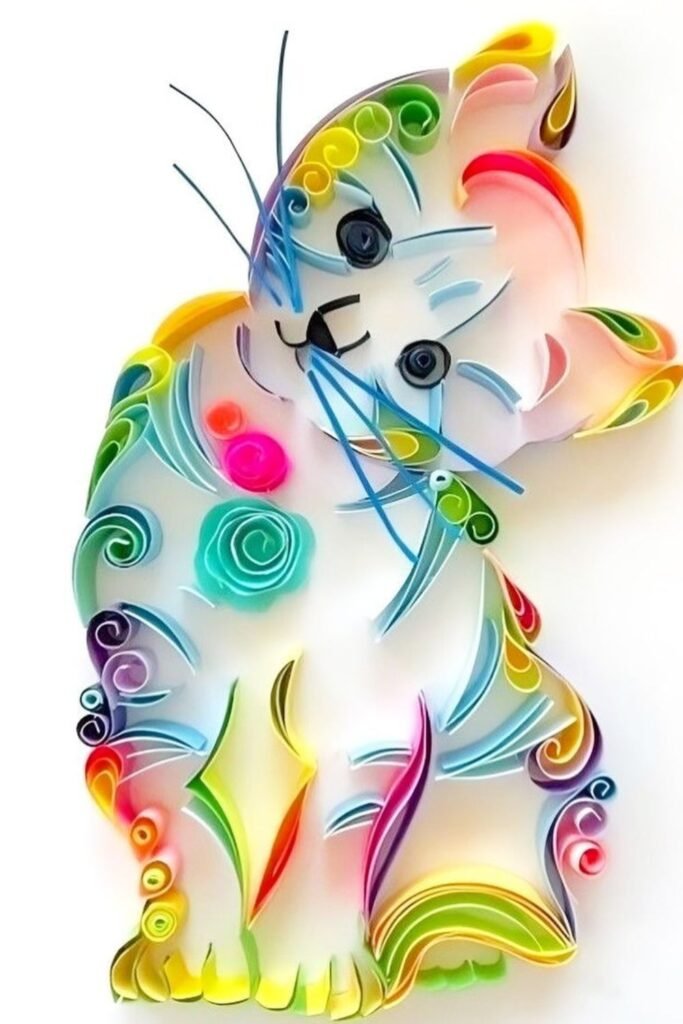
Curled paper turns patience into something beautiful, which makes this craft feel special for kids who enjoy slow, detailed work.
This is recommended for older kids or guided craft sessions because the cat’s body is made by rolling, shaping, and gluing thin strips of paper.
Using a modest outline at the beginning can help keep the design from feeling too big. Even without adding a lot of details, bright colors stand out on their own.
Using tweezers or toothpicks makes it easier to roll and keeps your fingers from getting fatigued.
The finished pieces look more like art than a quick craft, so they’re great for framing, giving as a present, or showing off after all the hard work.
Leaf Kitty
Real leaves instantly make this feel special because kids know no two will ever look the same.
This craft is most fun to do in the fall, on nature walks, or on outdoor learning days when gathering materials is part of the enjoyment.
Pick a big, strong leaf for the body, then add smaller leaves for the ears and paws. For tails and whiskers, twigs or dry branches work well.
You don’t need to be a great artist to make a face come to life with googly eyes. A simple paper foundation.
Keeps everything in place and makes it easy to show off. Kids adore witnessing things in nature that they know and like morph into something cute.

FAQs
Are cat crafts safe for younger kids?
Most cat crafts are safe as long as you use materials that are right for their age. Younger kids can use paper, cardboard, paint, and glue sticks.
Adult supervision is very important for activities that use scissors, hot glue, or small pieces like beads. Usually, changing the tools is all it takes to keep things safe.
What if my child says they “can’t draw” cats?
You don’t need to be able to draw well to execute these crafts. A lot of concepts don’t use freehand sketching; they use forms, cut-outs, folding, or stacking.
Kids can focus on making things instead of comparing their work to others’ when they start with simple templates or pre-cut pieces.
Hi, I’m Afaf! I’m a law student who loves writing about everyday life – from home projects and crafts to fashion, beauty, and parenting tips.
I’ve been writing for over a year, sharing ideas that are simple, practical, and easy to try. I write about things I find interesting and useful, whether that’s organizing a space, trying a new DIY, or finding activities to keep kids entertained.
My goal is to share helpful ideas without making things complicated. If it works in real life, I’ll write about it.
When I’m not studying or writing, I’m usually experimenting with new projects or scrolling for inspiration!