
24 Simple Games For Kids Indoor Ideas for 2026
The rain begins, the children are trapped indoors and your living room morphs into a makeshift amusement park.
They’re scaling the furniture, squabbling and demanding sustenance at regular intervals. Screens seem like the obvious solution, but you’re hoping to avoid that.
What you truly need are straightforward indoor games that are practical in a real house games that help kids expend energy or settle down without requiring toys, preparation, or a lot of room.
These 24 Simple Games For Kids Indoor Ideas are built for today’s homes and how families live in 2026.
Let’s jump in!
How Can You Keep Kids Active With Indoor Games On Rainy Days?
When children are cooped up, their energy does not just vanish it accumulates. Without an outlet, they begin to run, yell, and leap onto the furniture.
The aim isn’t to create a mess, but rather to channel their energy. Indoor games that incorporate stretching, balancing.
Gentle movement can help kids expend energy in a safe manner. Allowing them to move intentionally often leads to improved behavior.
Save this article for later!👇👇👇
Which Quiet Indoor Games Work Well During Nap Or Study Time?
Sometimes, children need to occupy themselves without making a racket. If they lack quiet alternatives, they might whisper, squirm or gradually become more disruptive.
Indoor games that promote tranquility are most effective when they provide a focus, rather than a reaction.
Simple guessing games, sorting tasks, or leisurely challenges can keep them occupied without shattering the peace.
When children concentrate their mental energy rather than their physical energy, the atmosphere remains serene, and they’re less likely to interrupt naptime or study sessions.
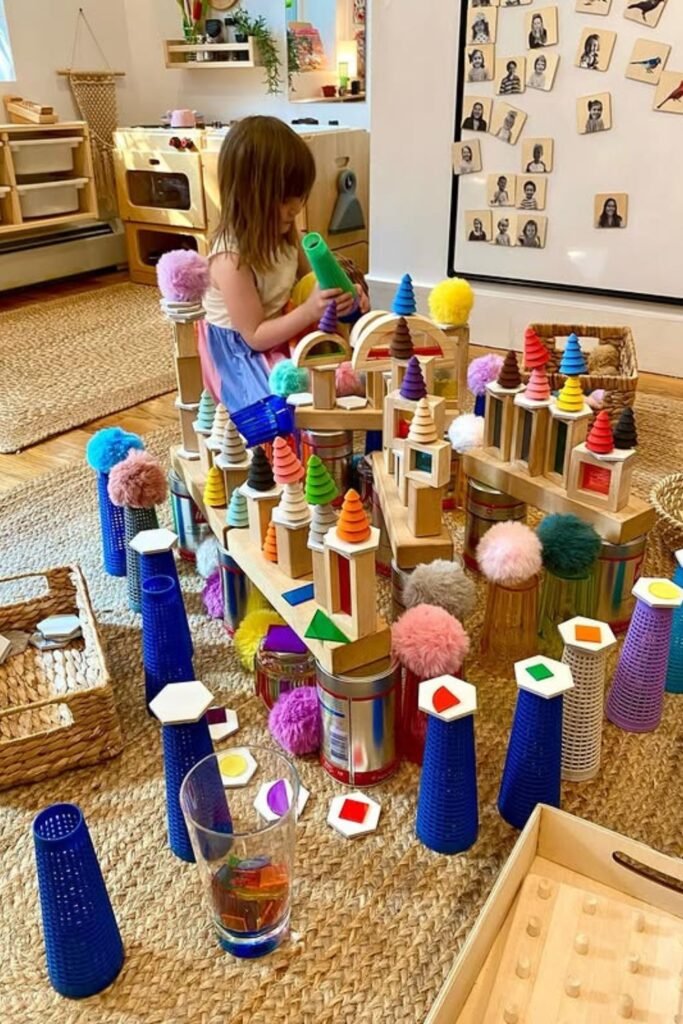
Creative Towers
Building upward gives busy hands a clear purpose and keeps kids focused longer than free play.
A space like this thrives in living rooms, where furniture can be arranged freely. Encourage experimentation by stacking tins, cups or blocks and soft toppers.
The goal is to find balance, not to rush. Children remain engaged, bending, reaching, adjusting and rebuilding all without creating a noisy or chaotic environment.
Soft Bowling
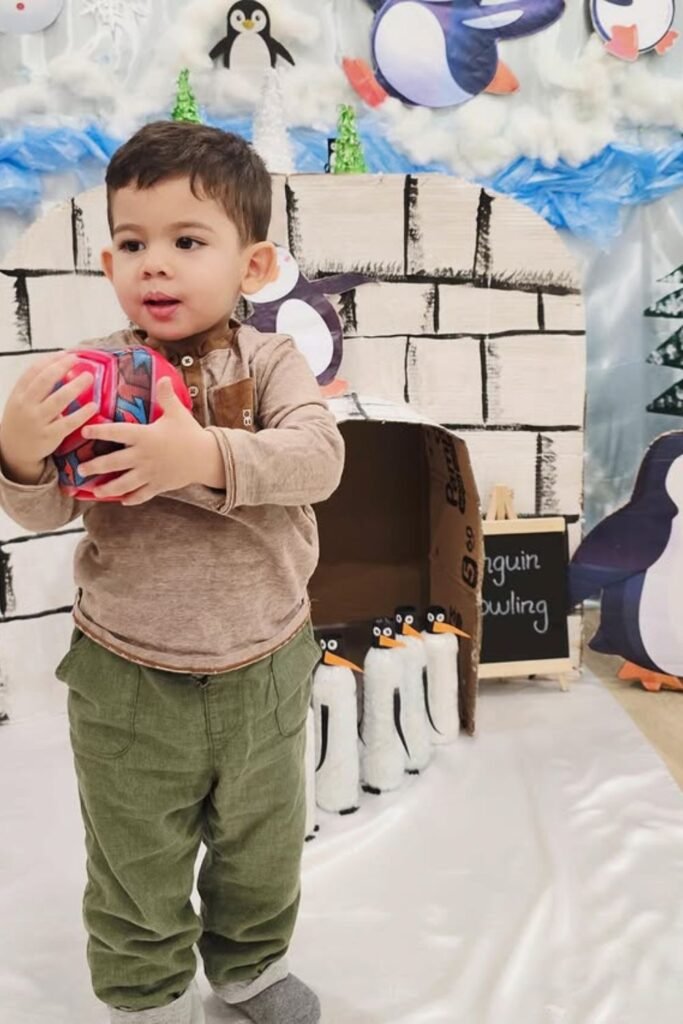
Rolling beats throwing when space is limited and little hands need control. A hallway or open corner works well for this kind of setup.
Set up some soft pins or lightweight bottles, and grab a little ball that won’t go flying. The kids will stay busy, walking back and forth, trying to knock the pins down.
And then setting them up again. It’s a great way to keep them moving without making a racket or creating any hazards.
Cushion Jumps
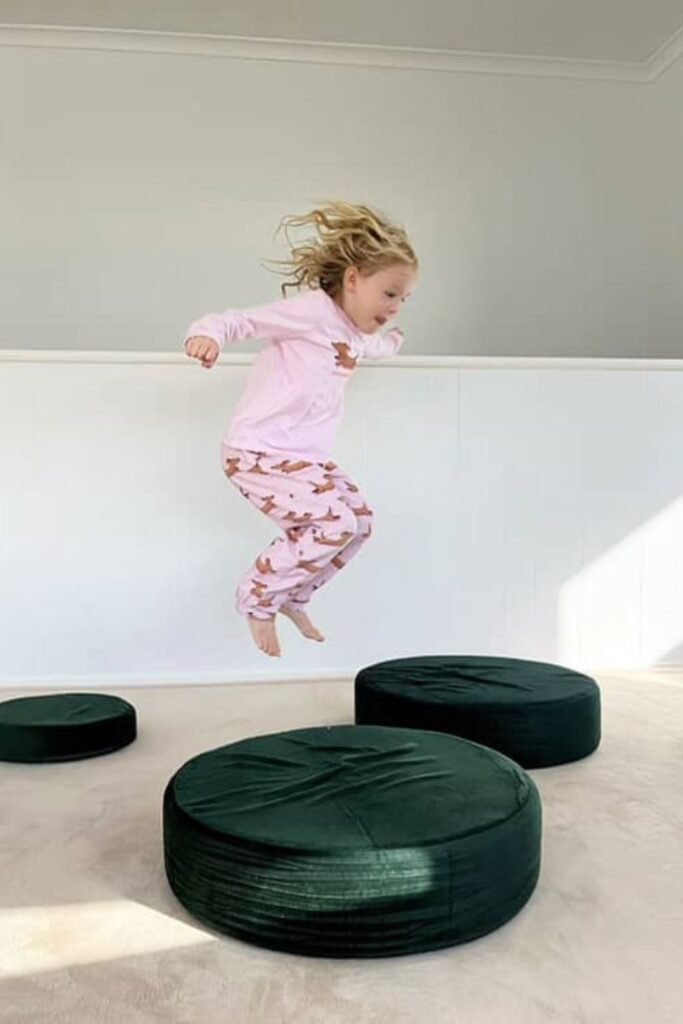
Energy comes out fast when kids get a safe place to land. Open floor space like a bedroom or playroom works best for this setup.
Floor cushions or poufs provide defined landing spots, which helps manage movement. Children concentrate on their next jump rather than flailing around.
This transforms jumping into a straightforward activity allowing them to expend energy without the need for boisterous play or indoor running.
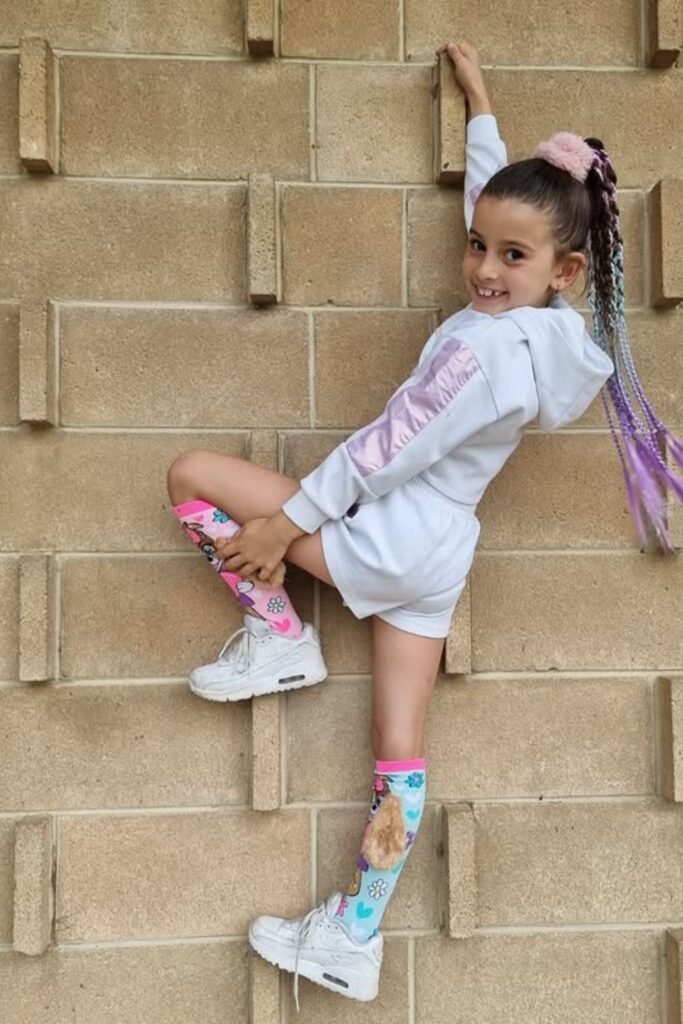
Wall Climb
Vertical play changes the way kids use their energy. A safe indoor wall, padded surface, or climbing friendly area works best for this kind of movement.
Focus on the patient ascent, the stretch, and the hold, rather than a quick pace. Children keep engaged by using their arms, legs and balance in concert.
This approach is particular beneficial for those kids and who thrive on physical challenges require a more robust outlet than simply running around indoors.
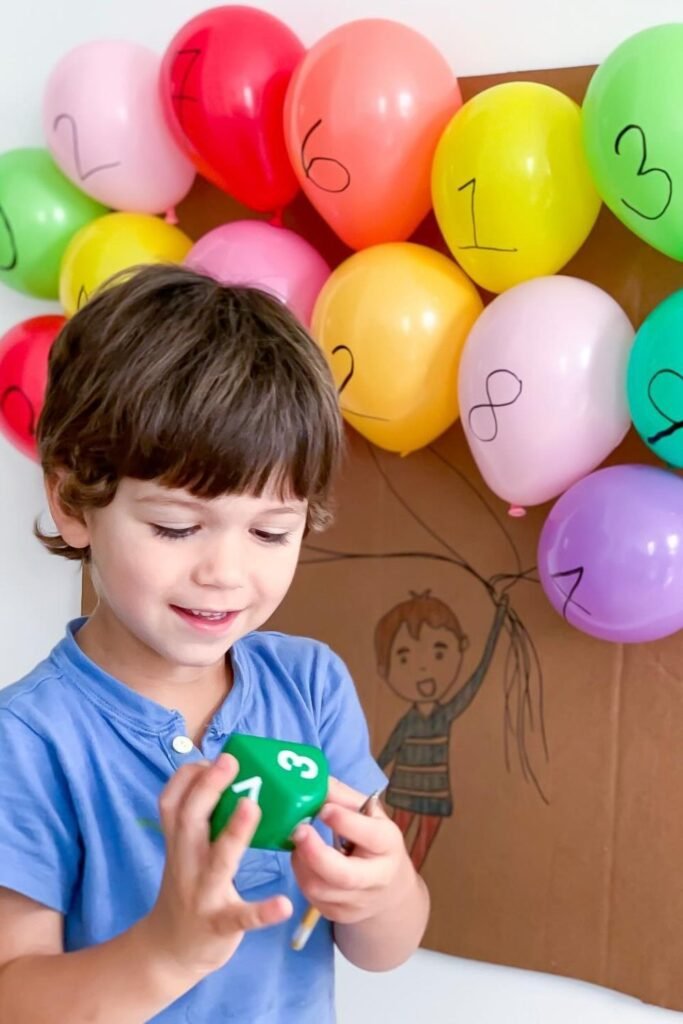
Balloon Targets
Numbers on balloons turn simple popping into a focused challenge. A wall or board setup like this fits well in playrooms or study corners where movement needs limits.
Call out a number, and let the kids take their shot, aiming with precision. Control the game’s tempo by spreading the balloons apart.
All you need to set it up are some balloons, tape, and a marker. The kids stay engaged, reaching and aiming, and their focus remains sharp.
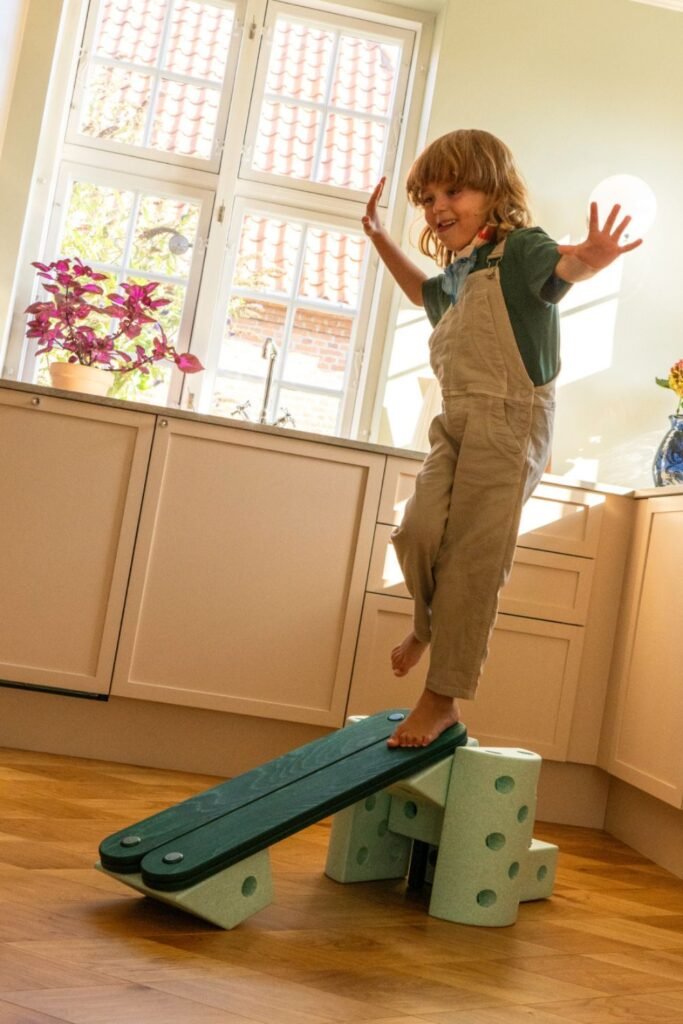
Balance Walk
Careful steps slow kids down in the best way. A setup like this fits nicely in kitchens or open living areas where straight paths already exist.
Construct a low balance line using robust boards or foam blocks. The emphasis here isn’t on how fast they can go, but rather on maintaining control.
Children remain engaged by concentrating on their posture, the position of their arms, and where their feet land.
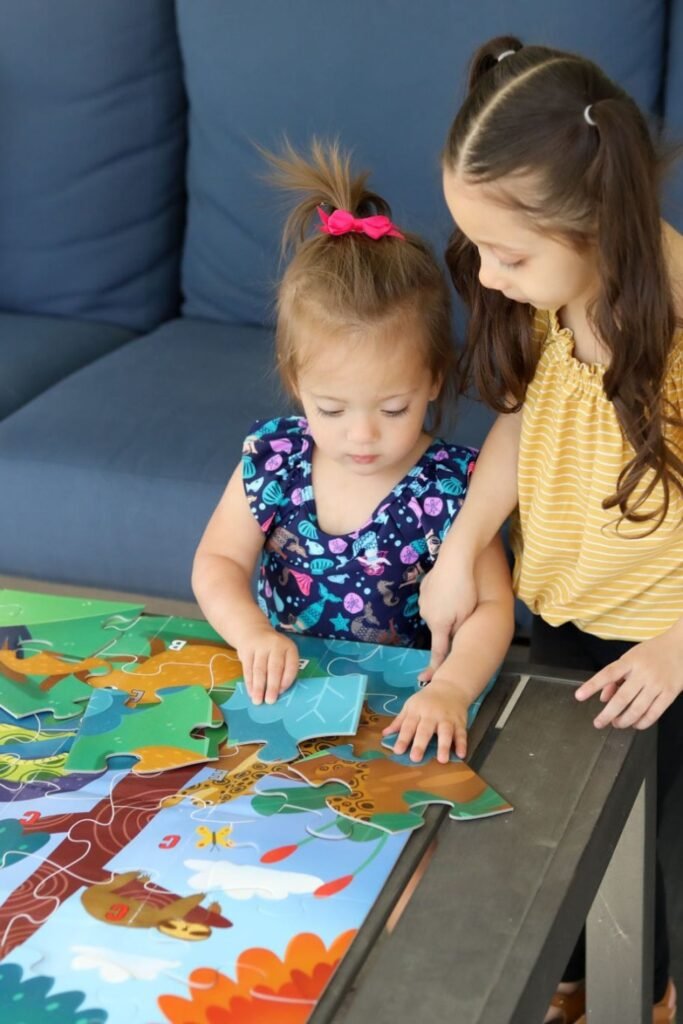
Puzzle Corner
Focused play works best when kids share a small, defined space like a coffee table or low bench.
Large floor puzzles are a great way to keep little hands occupied without continual adult intervention.
One child can hunt for pieces, while another focuses on fitting them together, which can help prevent any meltdowns.
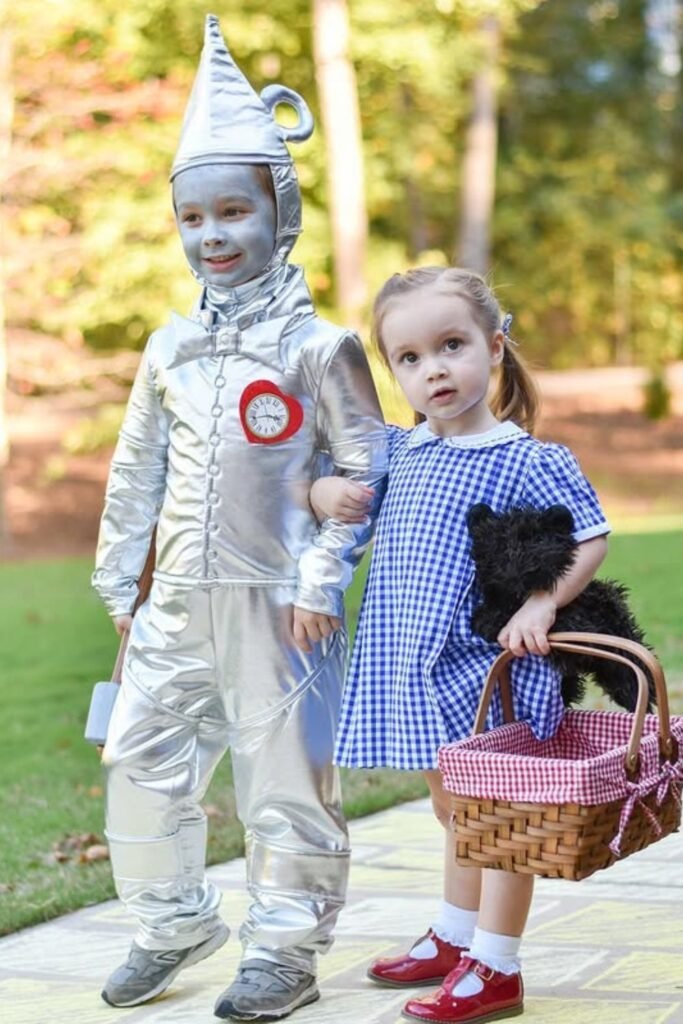
Role Play
Imagination fills the room when kids step into characters they already love. A clear walkway, open floor or hallway works well for pretend journeys like this.
Costumes don’t have to be elaborate even basic clothing, baskets, or accessories can do the trick.
This approach provides a simple means of keeping children busy indoors, away from loud or boisterous activities.
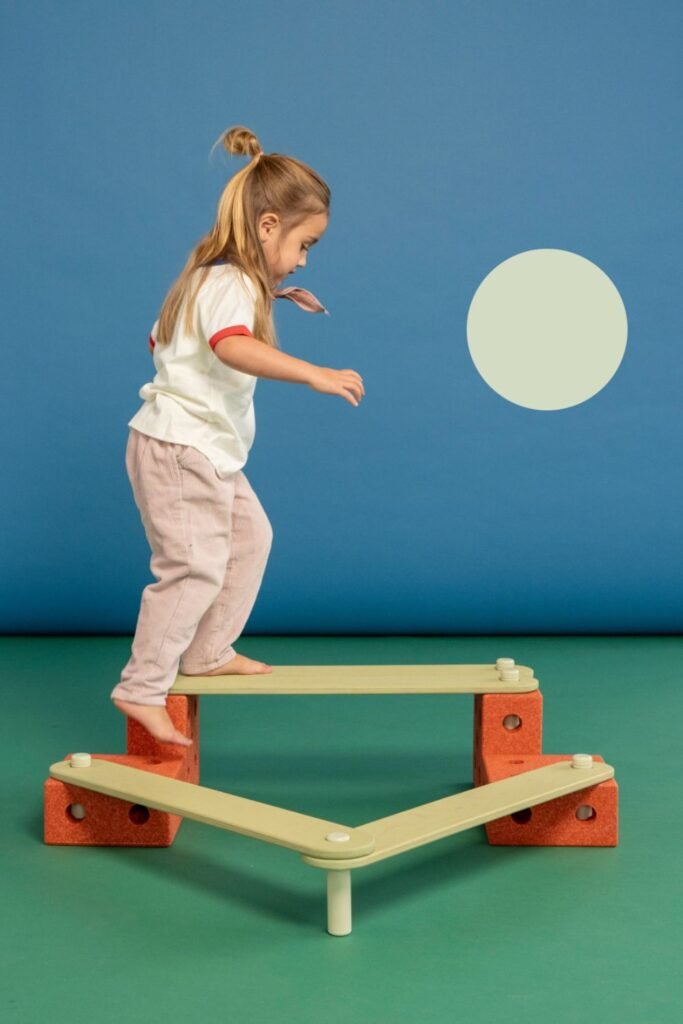
Step Path
Careful movement turns focus into the main task instead of speed. A setup like this work well in the playrooms or open living areas where furniture can stay pushed back.
Low platforms or solid boards offer a straightforward route. Children remain engaged and moving stopping and finding their balance.
Replicating this setup is simple using stable blocks and planks and it encourages regulated silent move ment.
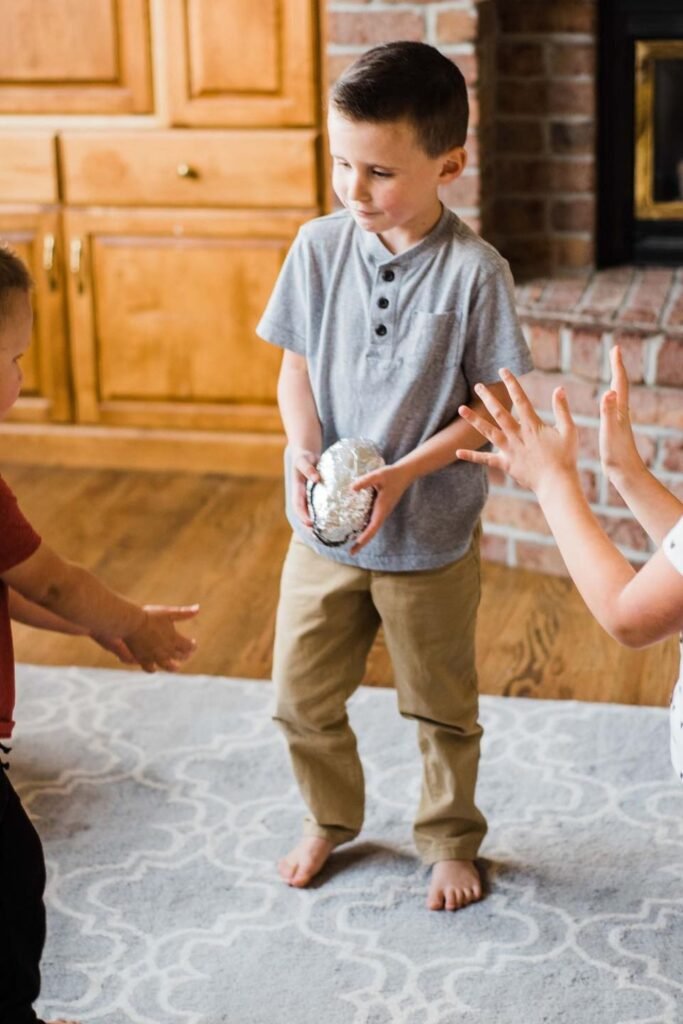
Gentle Passing
Shared movement works best when kids face each other and slow things down. A soft ball and wrapped item keeps hands busy without encouraging throwing.
Rugs in living rooms may really help carve off a play space and dampen sound. Encourage kids to move, stop and change course to keep things engaging.
This back-and-forth action fosters coordination and teamwork, all while channeling their energy in a more controlled way.
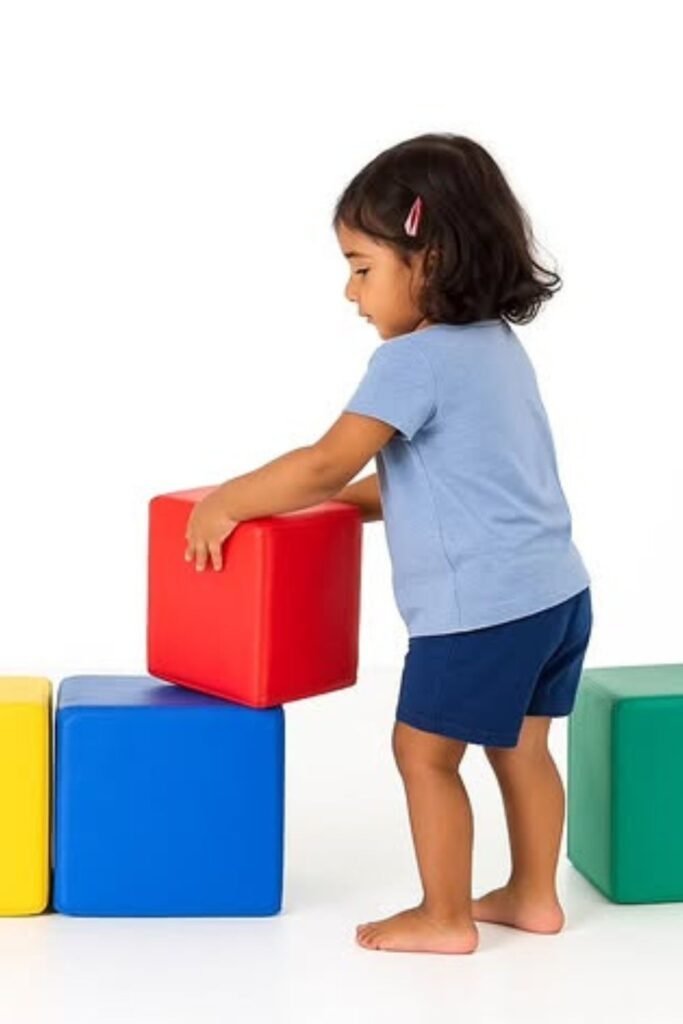
Block Moves
Lifting and placing gives restless energy a clear job. Open floor areas work well since blocks need room to spread and shift.
Soft foam or lightweight cubes provide a safe play environment without sacrificing the tactile experience.
Children remain active engaging in activities like transporting, stacking and rearranging the pieces, rather than just running.
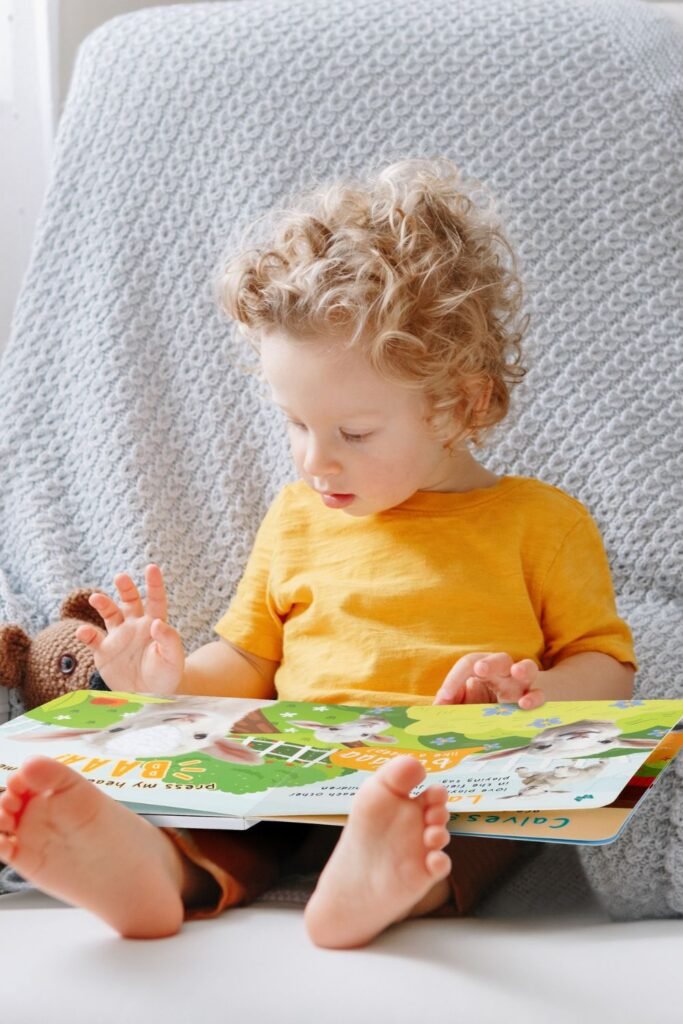
Book Nook
Quiet focus comes naturally when kids feel comfortable and settled. A soft chair or cozy corner like this works best during nap overlap or calm afternoons.
Board books and picture books offer a tactile experience without overwhelming the senses.
Allow children to explore the pages at their own speed, rather than reading to them.
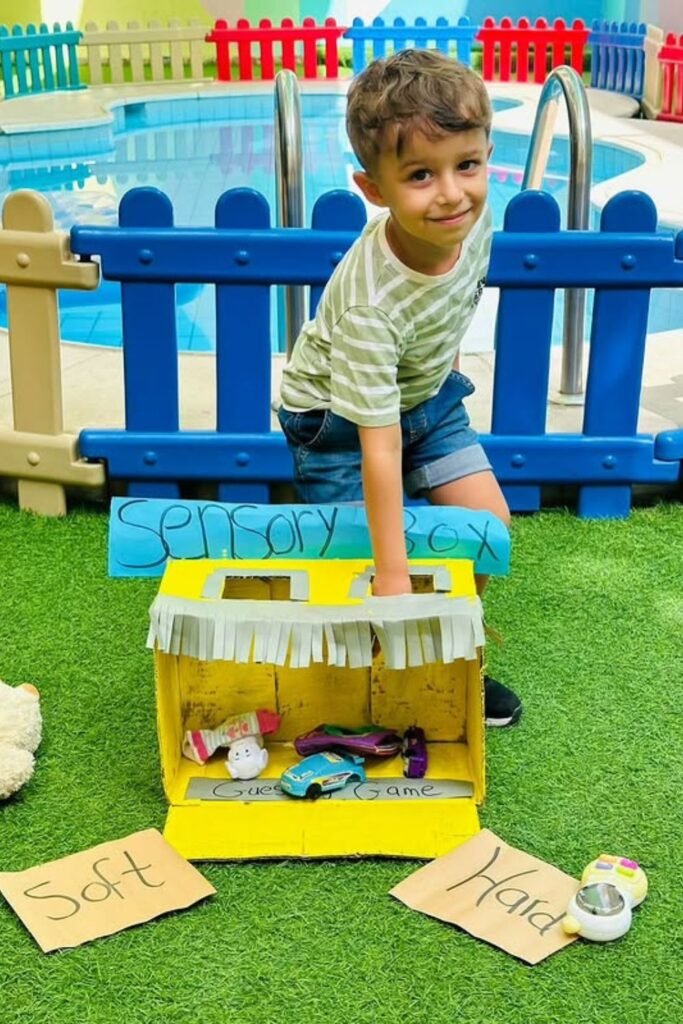
Sensory Guess
Hands stay busy when curiosity leads the play. A floor spot or playroom corner works well for a simple sensory box like this.
Place a variety of daily things with distinct sensations inside a box and have children guess what they are, all without peeking.
This simple activity requiring only a cardboard box and some common home items, is surprisingly effective at holding childrens attention, fostering a sense of calm.
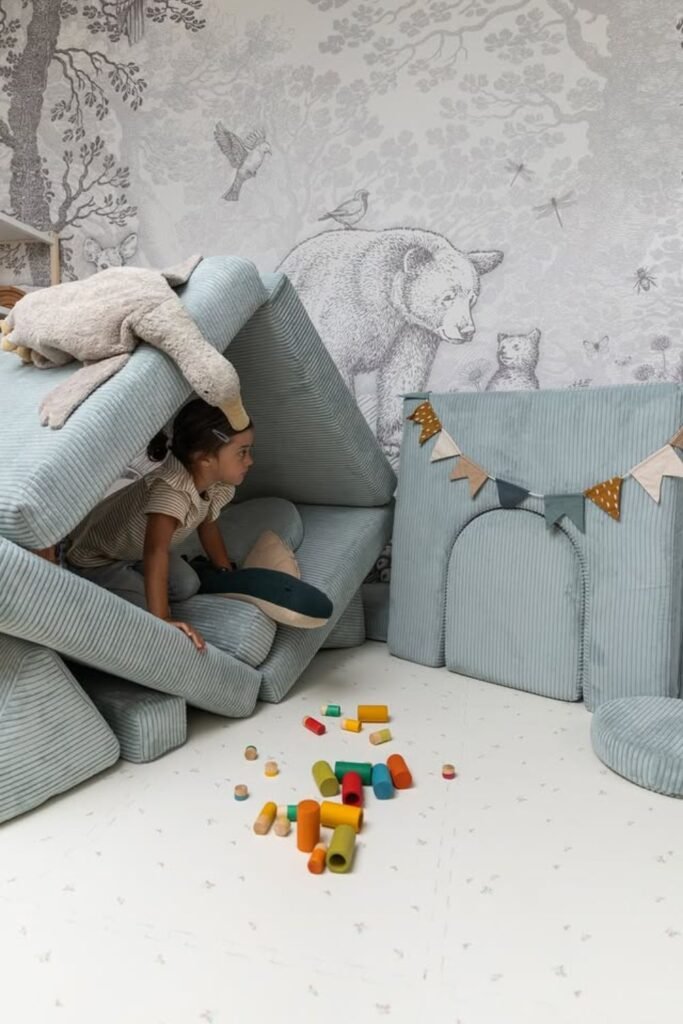
Cushion Fort
Soft structures invite movement without turning play rough. A corner of a playroom or bedroom works perfectly for stacking cushions into tunnels, walls and hideouts.
Children naturally crawl, climb, and wriggle through tight spots a form of physical activity that both safe and beneficial.
This adaptable arrangement allows for constant reconstruction, ensuring kids stay occupied without the noise of running or leaping.
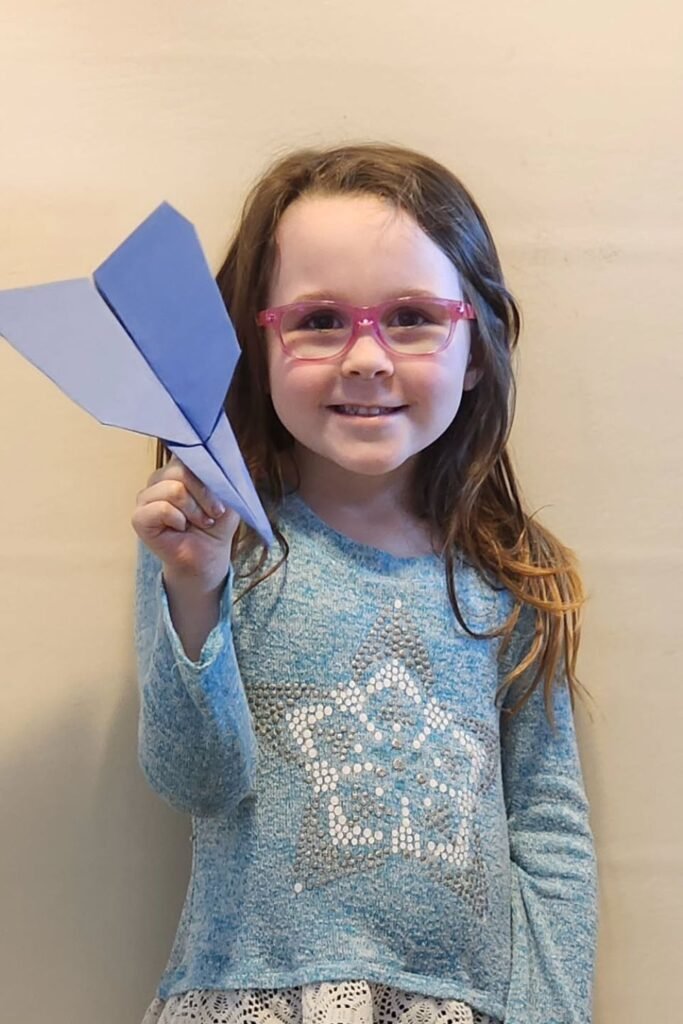
Paper Flight
Folded paper turns still air into gentle movement without needing space to run. An open room or hallway works well for short-distance flying.
Keep those throws gentle and close to the ground otherwise, things may get messy.
Children stay engaged by strolling to get the aircraft, tweaking the folds, and seeing how far they can fly.
Grid Build
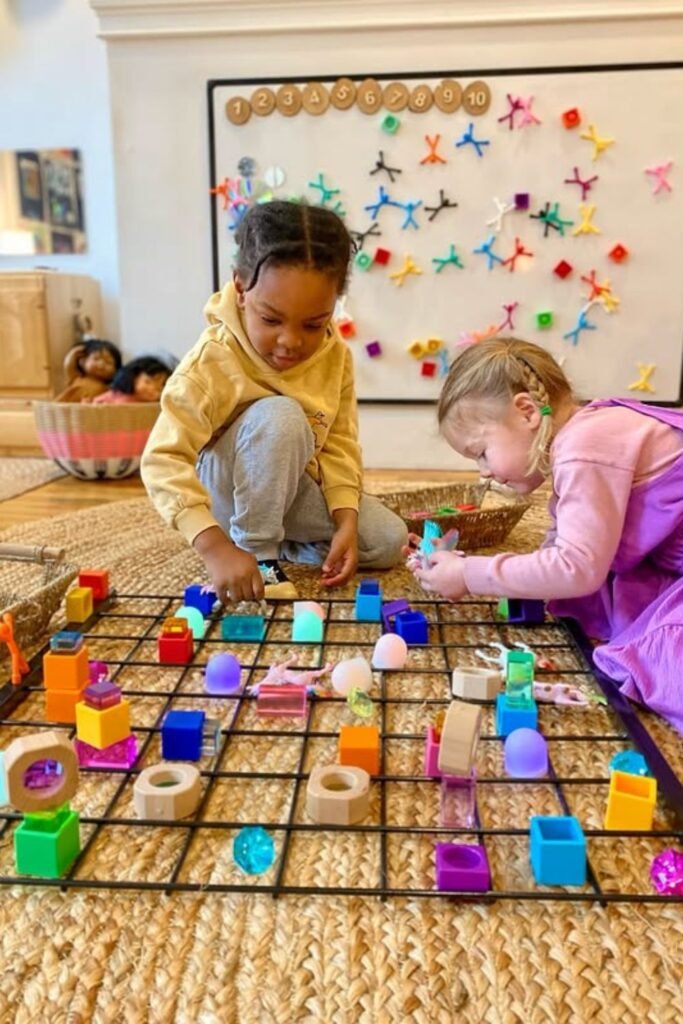
Patterns keep minds busy while bodies stay grounded. A floor setup like this works best in playrooms or living areas where kids can sit and lean forward comfortably.
A straightforward grid, tray or even just taped lines can help with placement. Children keep engaged by reaching for, sorting and rearranging the pieces.
Recreate the activity with blocks, tiles, or other loose materials to promote focus, teamwork and silent problem-solving, all without needing continual adult supervision.
Balloon Swat
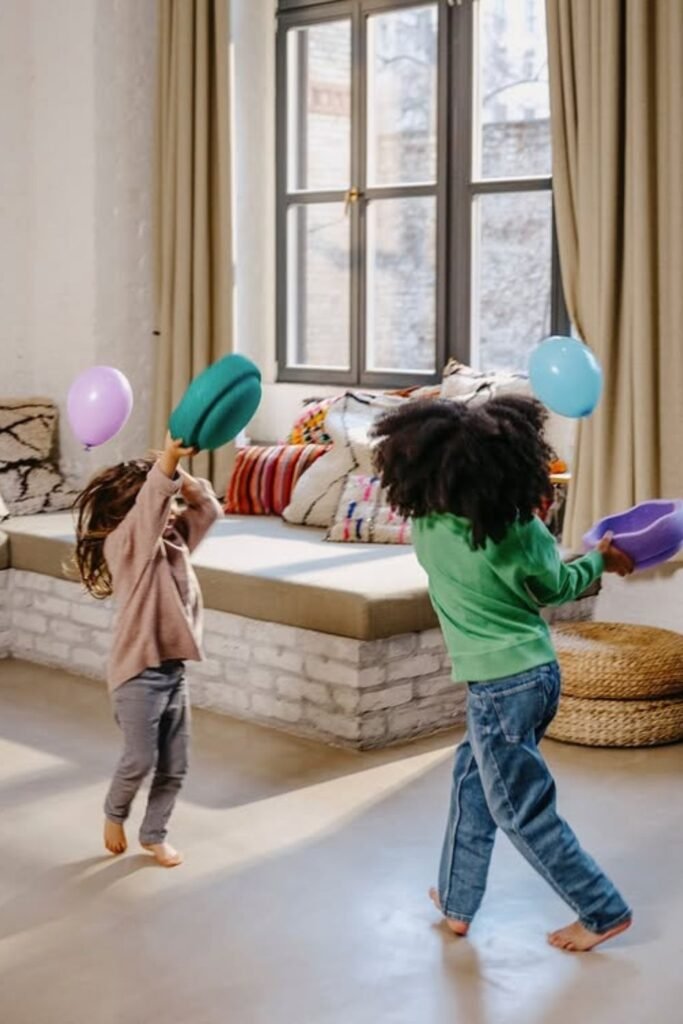
Light objects change how kids move inside a room. Open living spaces work well since balloons float instead of flying fast.
Hands remain up, feet are always in motion, and every strike is followed with keen eyes. To further reduce the pace paper plates or soft paddles can be employed.
The setup is simple, and it keeps children engaged by hopping, twisting, and reaching, all while avoiding collisions with furniture or one another.
Scarf Dance
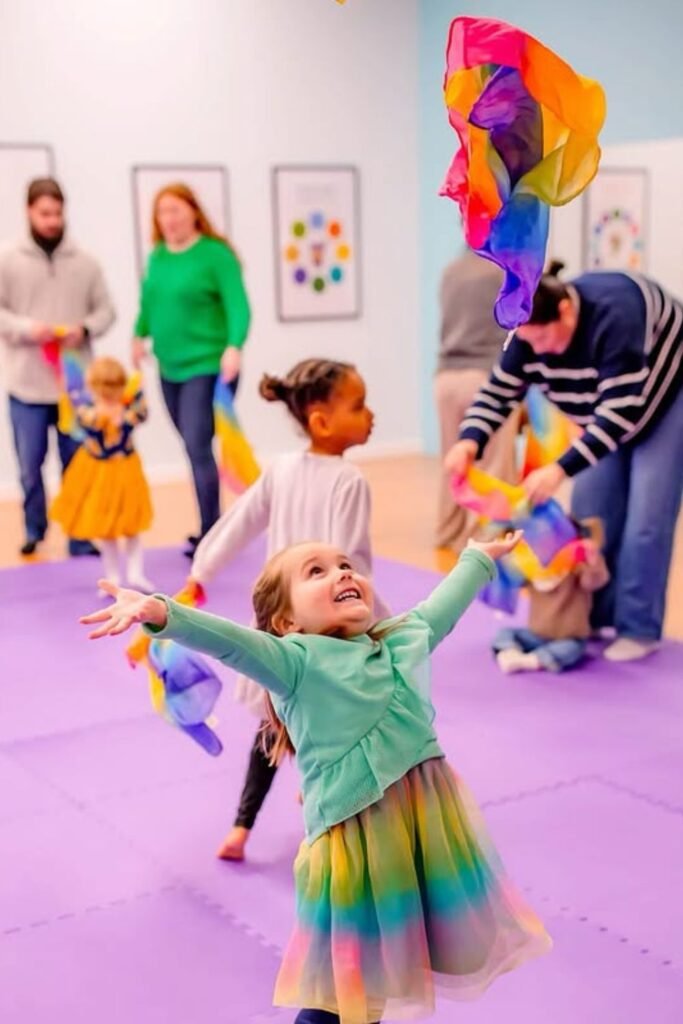
Flowing fabric changes movement from wild to controlled. Open rooms or play areas work best since scarves need space to float without hitting faces.
Light music sets the tempo a gentler approach than yelling. Children remain engaged, twirling, reaching and grooving to the beat, rather than sprinting about.
It’s particularly effective when children need to move around freely, yet remain composed and mindful of their surroundings.
Sock Slide
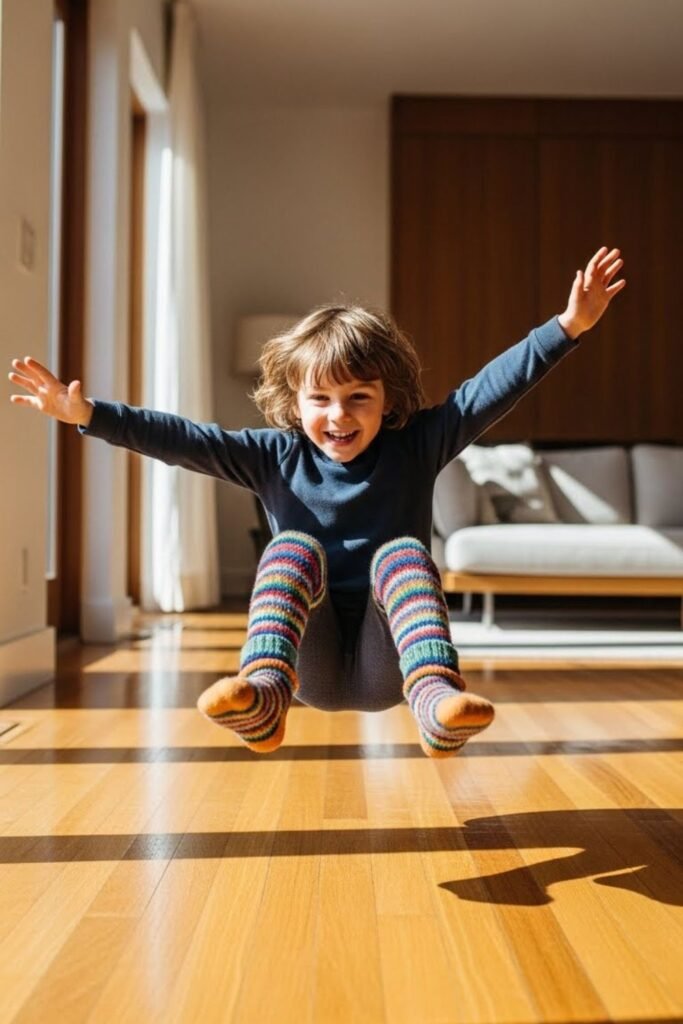
Smooth floors turn socks into a safe movement challenge indoors. Kids slide, stop, and adjust speed using body control instead of running.
Hallways or cleared living rooms are ideal. Incorporate simple rules such as stopping at tape lines or sliding backward.
This activity keeps legs moving, burns off energy quickly and feels fun, all without the need to climb on furniture or make a lot of noise.
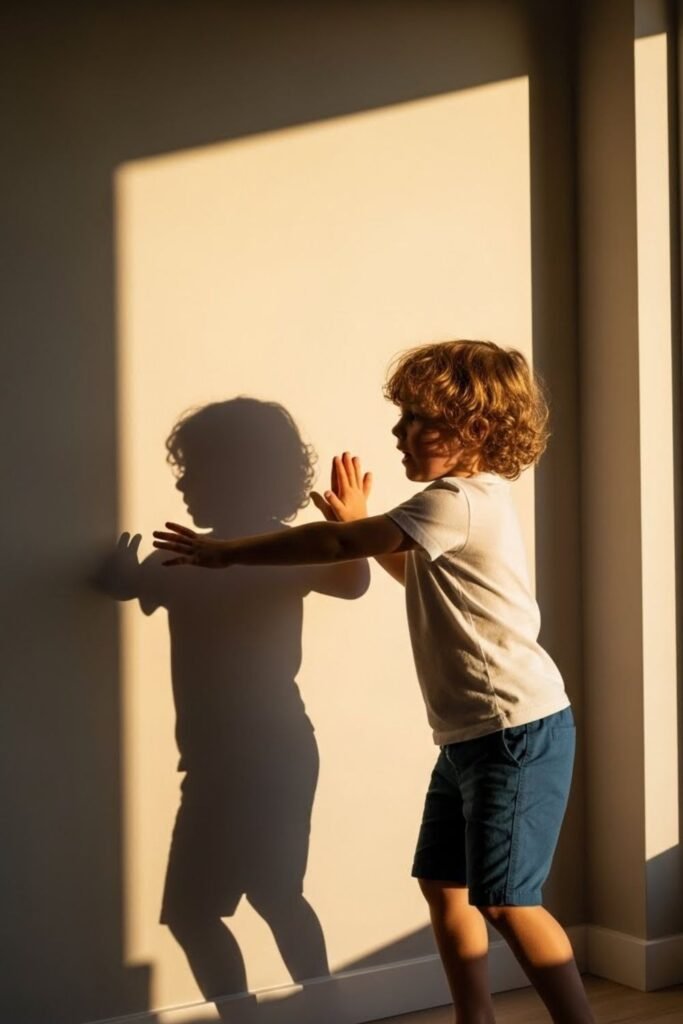
Shadow Freeze
Light and walls create movement games without touching anything. Kids follow their shadows, jump shapes or freeze when lights switch off.
Rooms illuminated by lamps or natural light from windows are effective. Switching up your location keeps things interesting.
Movement allows energy to flow and the volume remains subdued making it perfect for early mornings and peaceful afternoons within homes that have space constraints.
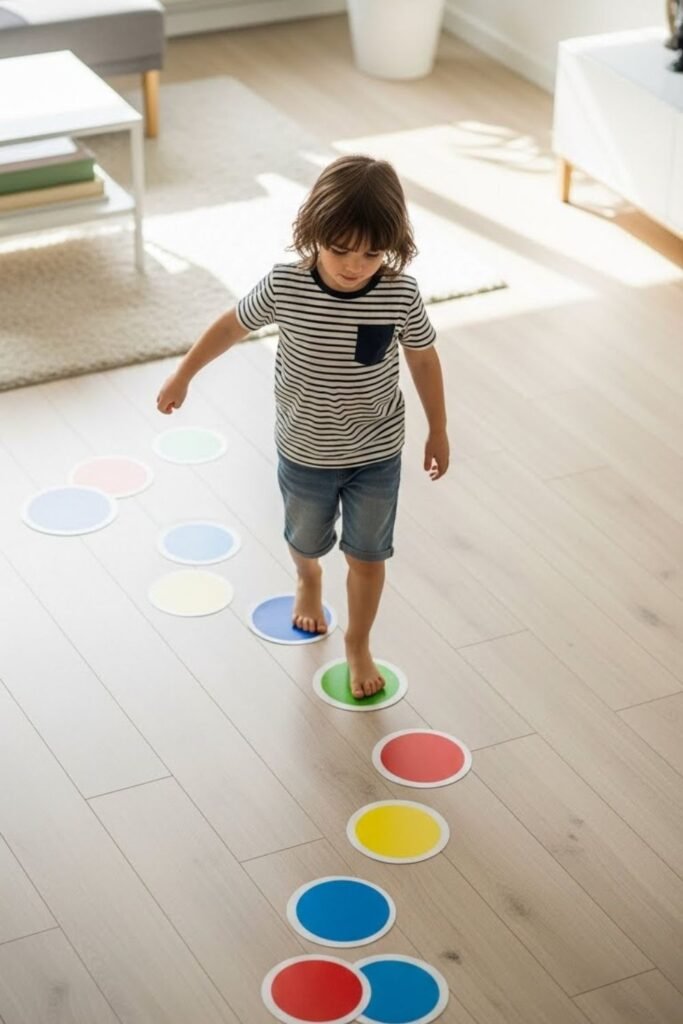
Sticker Path
Sticky dots guide movement better than shouted instructions. Place removable stickers across floors to create paths, turns, or challenges.
Kids can step, hop or tiptoe between markers. This works well in apartments and smaller spaces. Switching up the layout frequently keeps things fresh.
Its a great activity before homework or bedtime when energy needs a channel, not a burst of excitement.
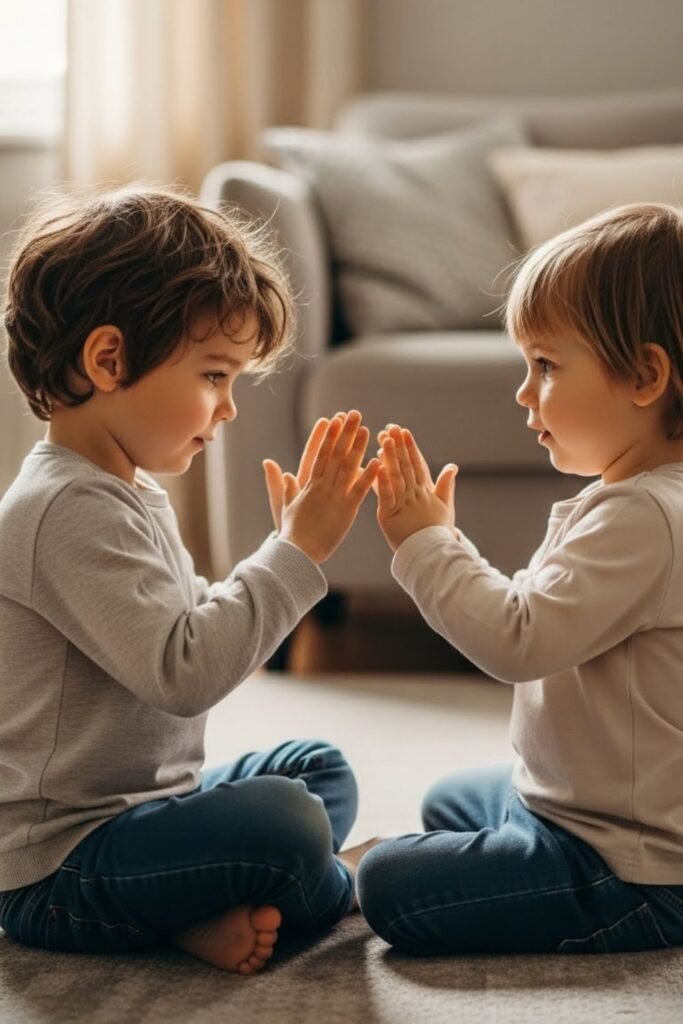
Sound Copy
Ears lead movement in this quiet energy game. One child makes slow sounds like claps, taps or stomps. Others copy the rhythm exactly.
Living rooms and classrooms are both effective setting. Frequent changes in leadership help maintain a high level of focus.
This approach directs energy toward timing and control while also encouraging quiet voices and sharp attention through out indoor play especially in spaces limited room.
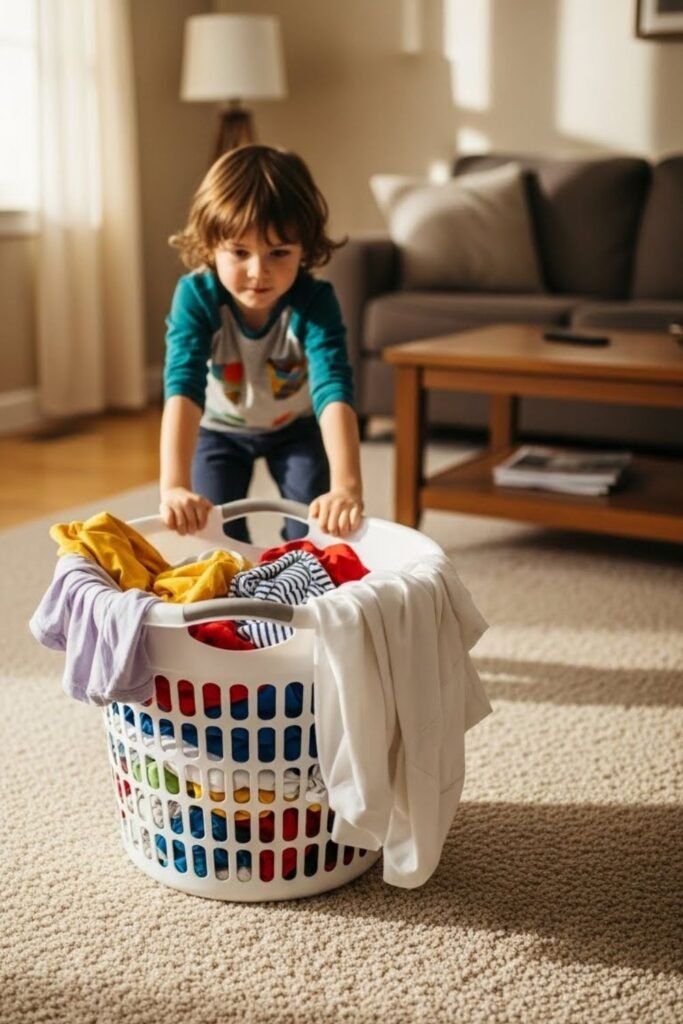
Laundry Push
Heavy work calms busy bodies fast. A laundry basket filled with clothes becomes a pushing challenge. Kids move it across rooms, around corners or to targets.
Carpeted areas work best. Add rules like slow pushes only. Muscles work, energy drains, and minds settle.
This works well before meals or screen free evenings when kids feel restless inside homes during rainy weather with limited outdoor play options available daily routines.
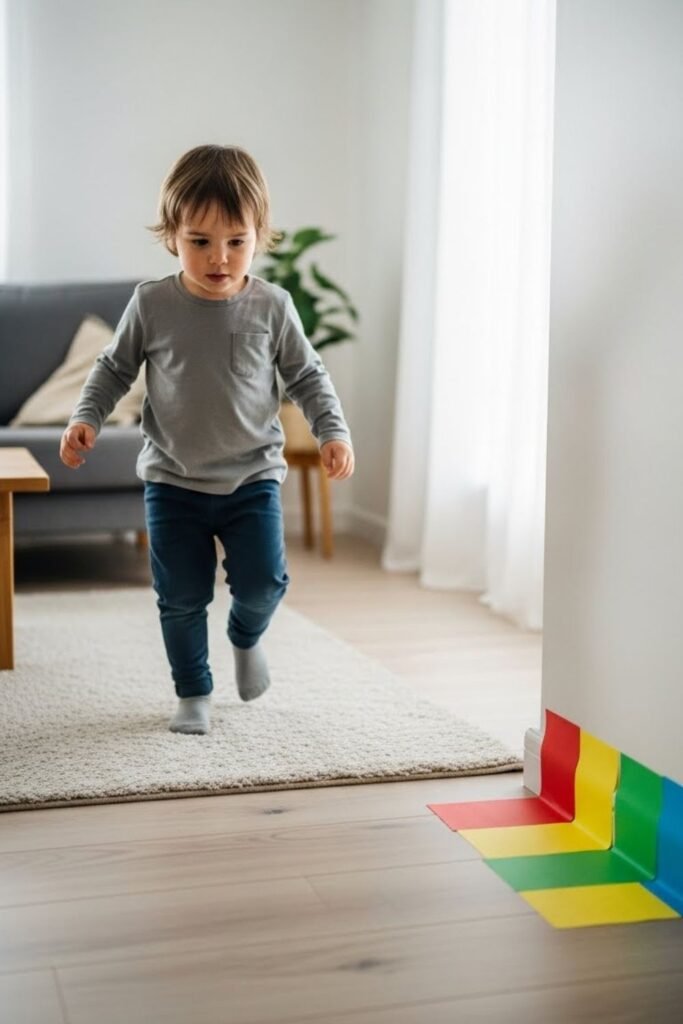
Color Corners
Colors give movement a clear purpose indoors. Assign each room corner a color using paper or cloth. Call a color and kids walk, crawl or stretch toward it.
No running. This is ideal for apartments. Changing instructions keeps everyone focused.
It keeps kids moving, and the rules are straight forward which is great for those times when the weather does not cooperate and parents need a little structure.
FAQs
How long should indoor games last before kids lose interest?
Most indoor games shine in short sessions. A quick ten to fifteen minutes is often sufficient to burn off some energy or sharpen concentration.
Ending a game early helps maintain a child’s interest for the next round. If a game starts to feel like a chore, it’s better to switch things up rather than force it.
Should indoor games be active or calm first?
When children exhibit restlessness or excessive noise, active games should be prioritized. Physical activity serves to dissipate accumulated energy.
Subsequently, calm games are more effective, particularly when children are physically fatigued but mentally engaged.

Hi, I’m Afaf! I’m a law student who loves writing about everyday life – from home projects and crafts to fashion, beauty, and parenting tips.
I’ve been writing for over a year, sharing ideas that are simple, practical, and easy to try. I write about things I find interesting and useful, whether that’s organizing a space, trying a new DIY, or finding activities to keep kids entertained.
My goal is to share helpful ideas without making things complicated. If it works in real life, I’ll write about it.
When I’m not studying or writing, I’m usually experimenting with new projects or scrolling for inspiration!