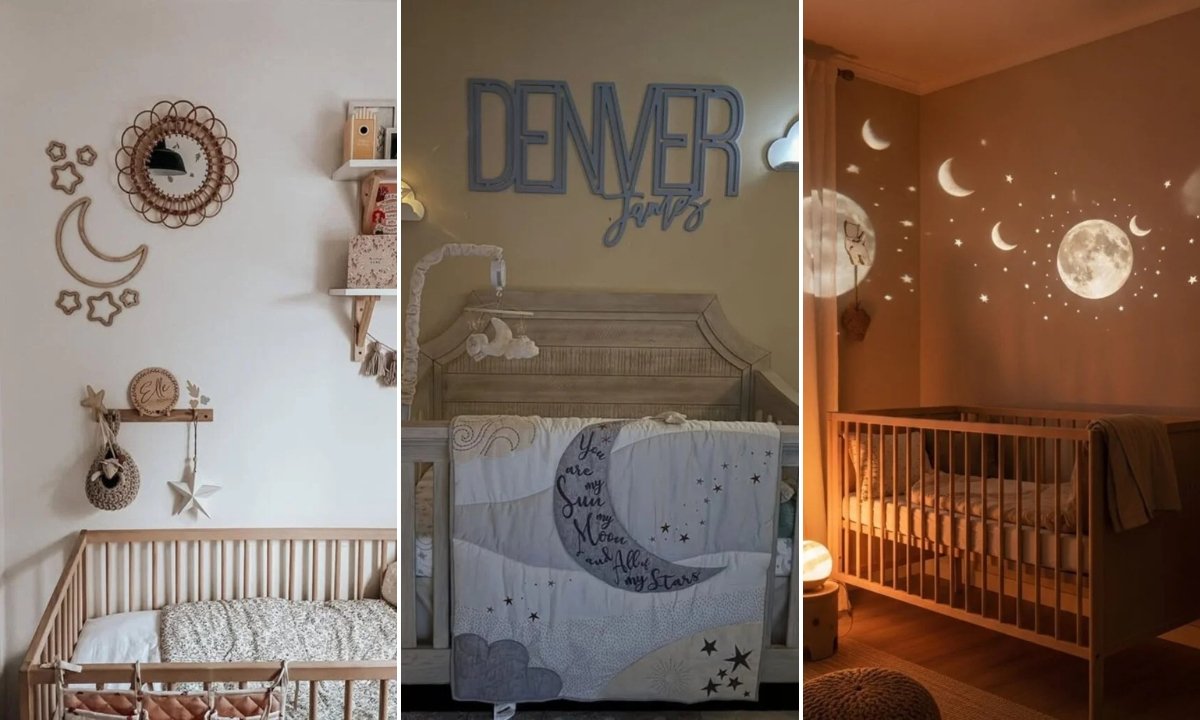
The allure of a moon and stars nursery is undeniable but the execution can be a bit overwhelming.
Pinterest offers a seemingly endless parade of stunning rooms, yet few offer practical guidance.
You want to avoid a space that’s either too dim, overly cluttered, or destined to be obsolete within a year.
Instead, you’re after a serene, inviting environment that’s both functional and straightforward to create.
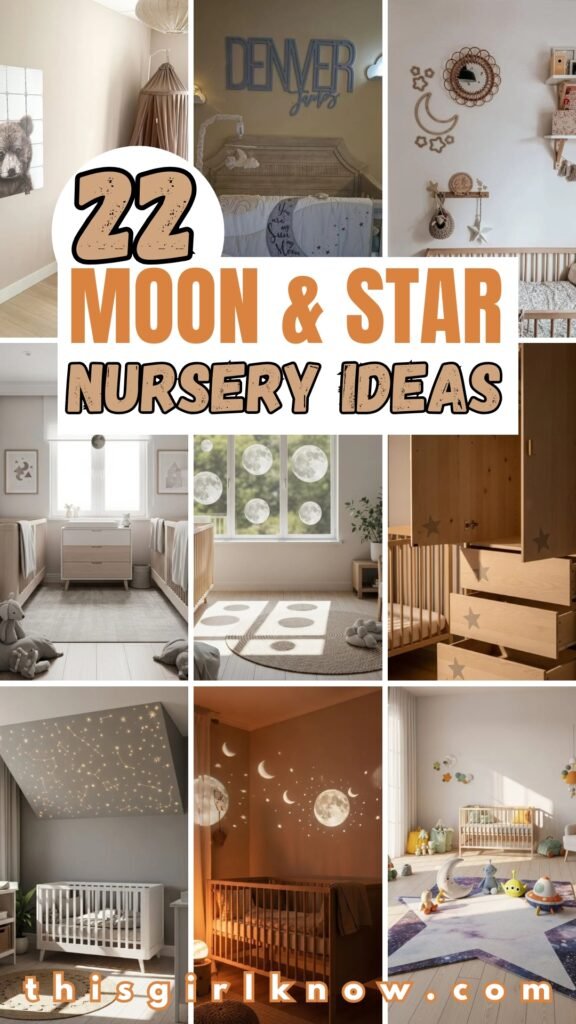
In this article, I will break down 24 Moon And Stars Nursery ideas that help maximize space.
How Can You Decorate Nursery Walls With Moon and Stars?
Begin with the walls; they’re the foundation of the room’s atmosphere. When the walls exude tranquility, the rest of the space tends to follow suit.
The simplest approach is to opt for gentle wall colors, allowing the moon and stars to shine through decals, wall stickers or straightforward painted designs.
Should you decide on darker walls, keep the starry elements to a minimum to avoid a weighty feel.
Conversely, with lighter walls you can introduce more intricate details to foster visual interest.
Save this article for later!👇👇👇
Is a Moon and Stars Nursery Better for Boys or Girls?
A moon and stars nursery is a popular choice for parents, and the versatility is a major draw.
The theme itself is inherently neutral it’s the colors and specific elements that set the tone. Soft grays and creams or muted blues maintain a timeless unisex aesthetic.
For a gentler ambiance consider incorporating warmer hues or pastels. The goal is to side step rigid gender associations.
By keeping the foundation neutral you can effortlessly adapt the room as your child matures avoiding the need for a complete overhaul.
Night Calm
Deep blues turn a nursery into nighttime which helps babies settle faster. Gold moons and scattered stars work best behind the crib because they give focus without toys.
Opt for wallpaper or a mural stickers tend to peel and that a hassle. Stick with white or light wood furnishings to keep things feeling airy.
Soft cloud motifs help temper dark walls and preventing the space from becoming over whelming.

Soft Balance
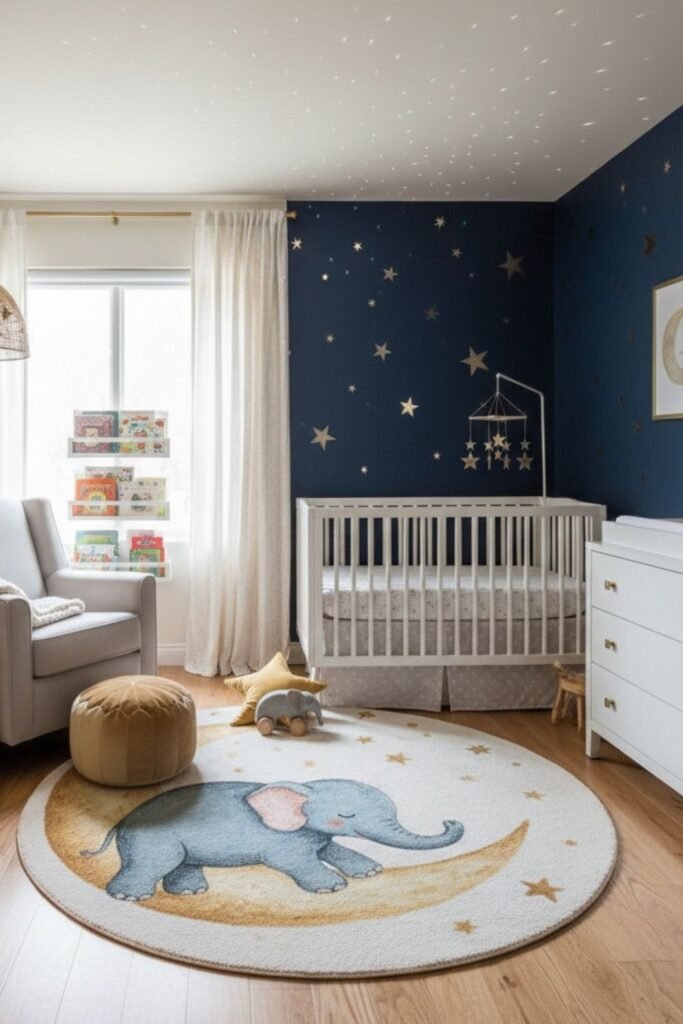
Soft contrast keeps a nursery calm without feeling boring. Dark star walls sit only where the crib rests while light walls near the window protect daylight flow.
Framed moons offer a more adaptable aesthetic than murals. A comfortable chair and a modest bookshelf transform the corner into a peaceful reading nook.
To replicate this restrict dramatic colors to a single wall and anchor the space with warm wood flooring and ensuring its longevity.
Cozy Nook
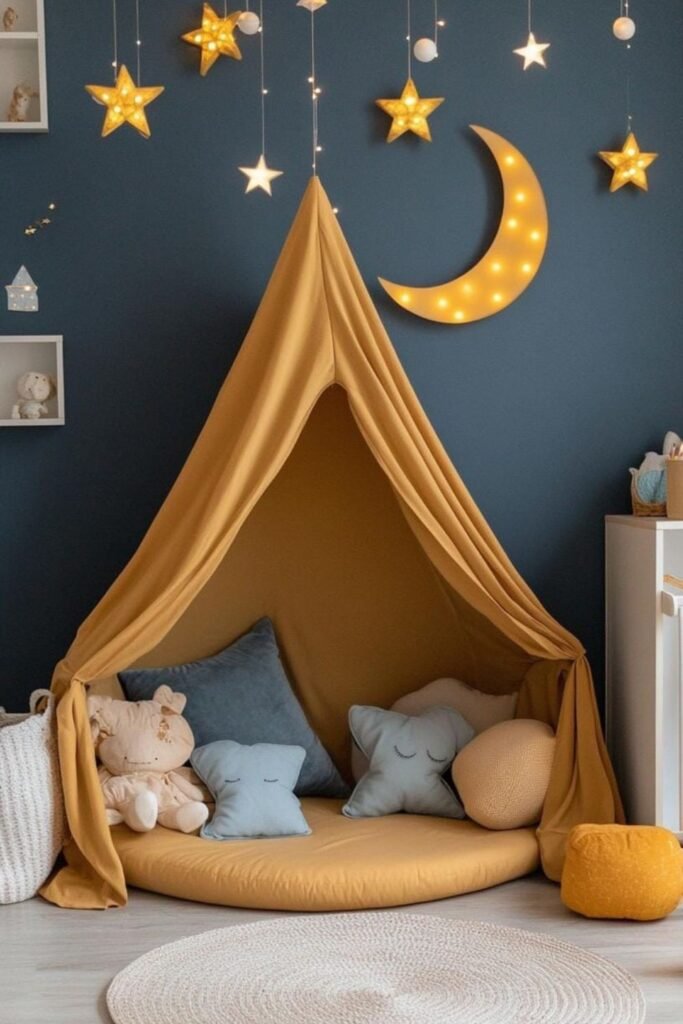
Evenings feel calmer once a nursery includes a soft retreat for quiet play. Hanging stars and a glowing moon define a reading nook without using floor space.
Floor cushions take the place of cumbersome furniture making it easier to move around safely. String soft fairy lights on dimmers to prevent overwhelming sensory input.
This arrangement is ideal for underutilized corners and shared spaces providing toddlers with a peaceful spot to relax before their sleep rituals, which happen spontaneously.
Cosmic Depth
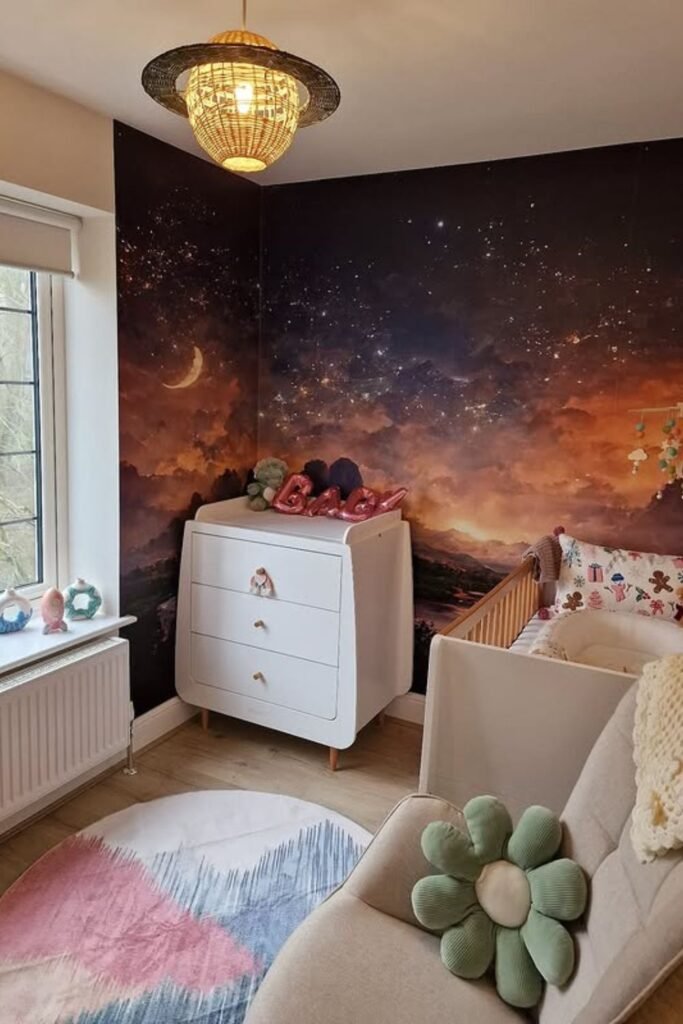
Bold walls turn a nursery into a dreamlike sleep space without adding clutter. Full murals work best behind the crib, keeping visual interest contained.
Warm ceiling lighting can really help dark colors feel less oppressive. Keep the furniture simple; that way, the walls get to be the stars of the show.
This works particularly well in bigger rooms or spaces with high ceilings, where the sense of depth can create a feeling of calm and rather than making things feel too intense.
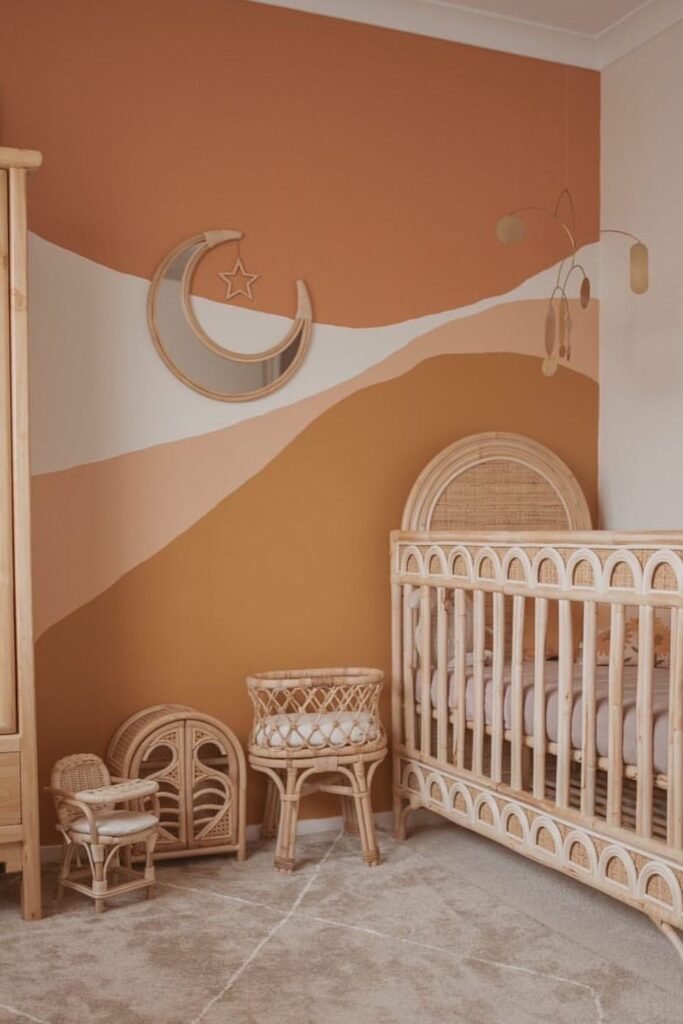
Earthy Waves
Earthy tones calm babies without relying on dark colors. Curved paint lines guide eyes gently toward the crib, making sleep area feel secure.
Rattan furniture brings a cozy feel without making a space feel heavy.
To replicate this select two warm neutrals and paint gentle flowing lines rather than harsh angles.
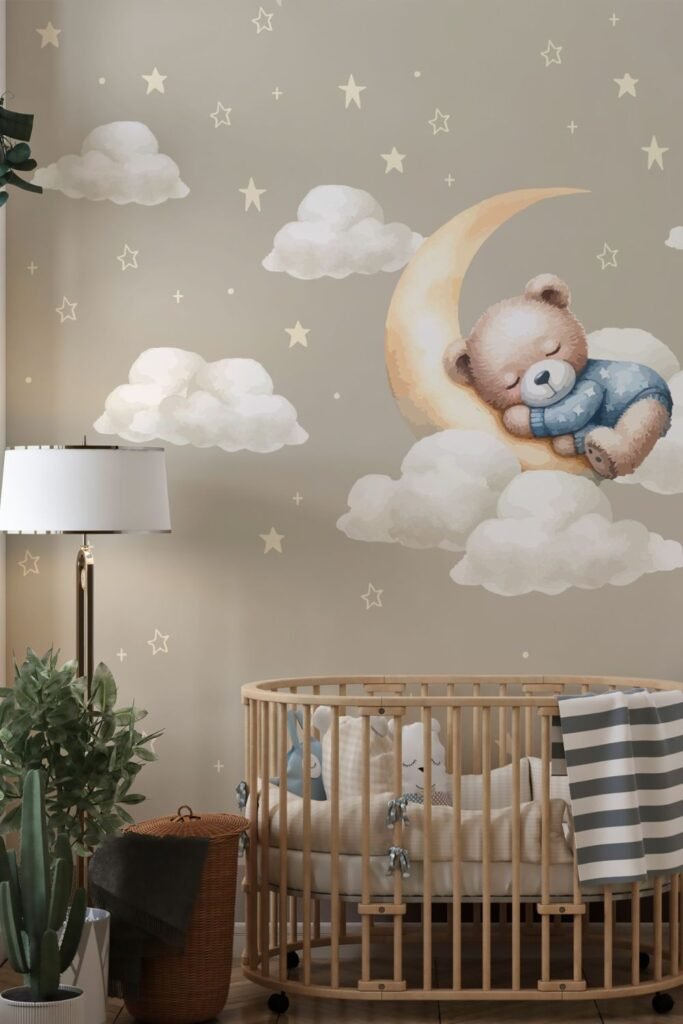
Dream Story
Soft storytelling helps babies relax because familiar characters feel safe. A moon mural with sleeping animals suits crib walls in small nurseries where furniture stays minimal.
Keep the color palette soft you do not want the art work to be overwhelming. Combine it with natural wood cribs and genuine plants to create a cozy atmosphere.
To replicate this, consider removable murals or decals. Position them low enough to be soothing but high enough to be out of reach during those rest less and night time hours.
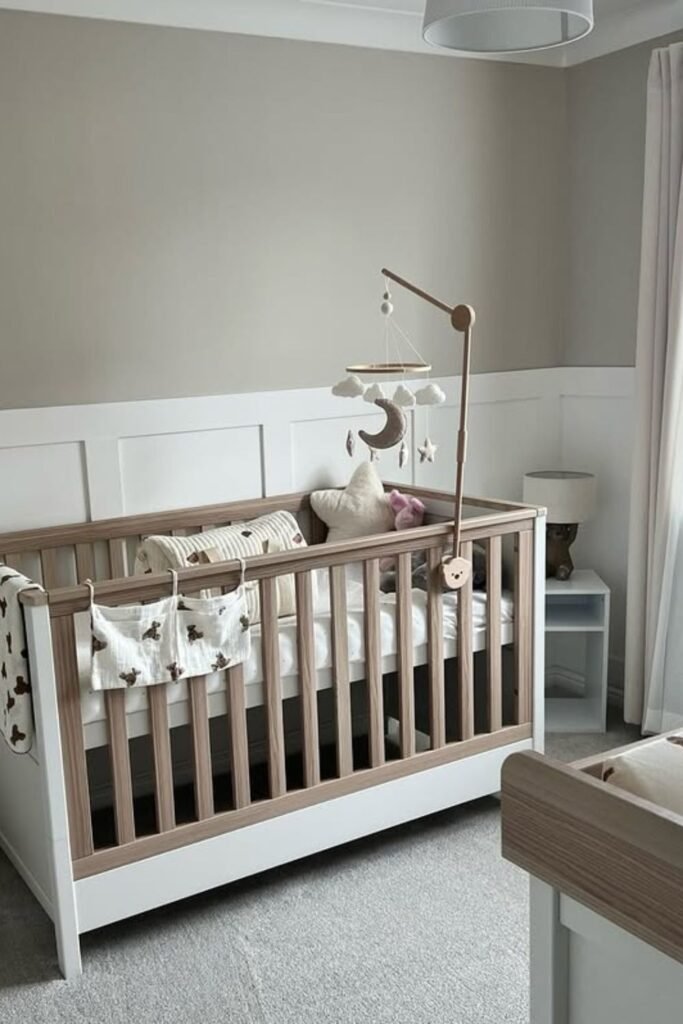
Quiet Minimalism
Minimal spaces calm babies by removing visual noise. Soft moon mobiles above the crib give focus without touching walls.
Neutral panels ensure the room remains airy and adaptable as children develop. This design is ideal for compact nurseries where things can quickly become chaotic.
To replicate this select a single hanging decoration and coordinate wood finishes and keep the walls largely bare.
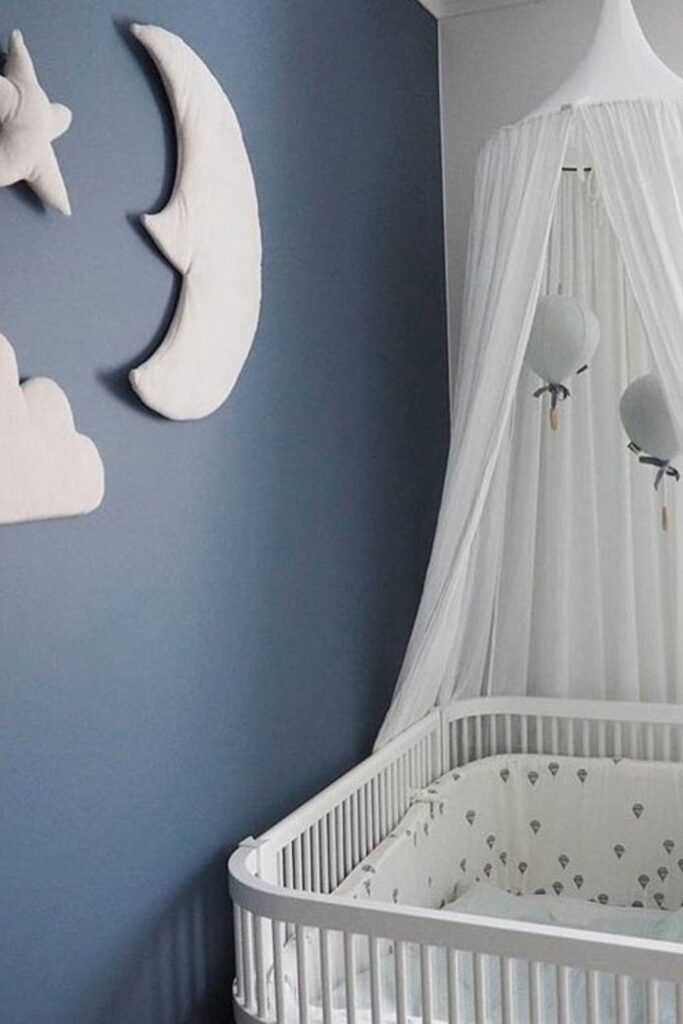
Gentle Layers
Soft textures create comfort faster than color ever will. Fabric moons and clouds add depth without sharp edges, making sleep areas feel secure.
Blue walls, kept understated, allow white canopies to gently round the crib’s edges. This approach is particularly effective in nurseries designed for newborns.
Where excessive stimulation can lead to fussiness. To achieve this effect, select padded wall decor, breathable canopy materials, and restrict patterns to the bedding.
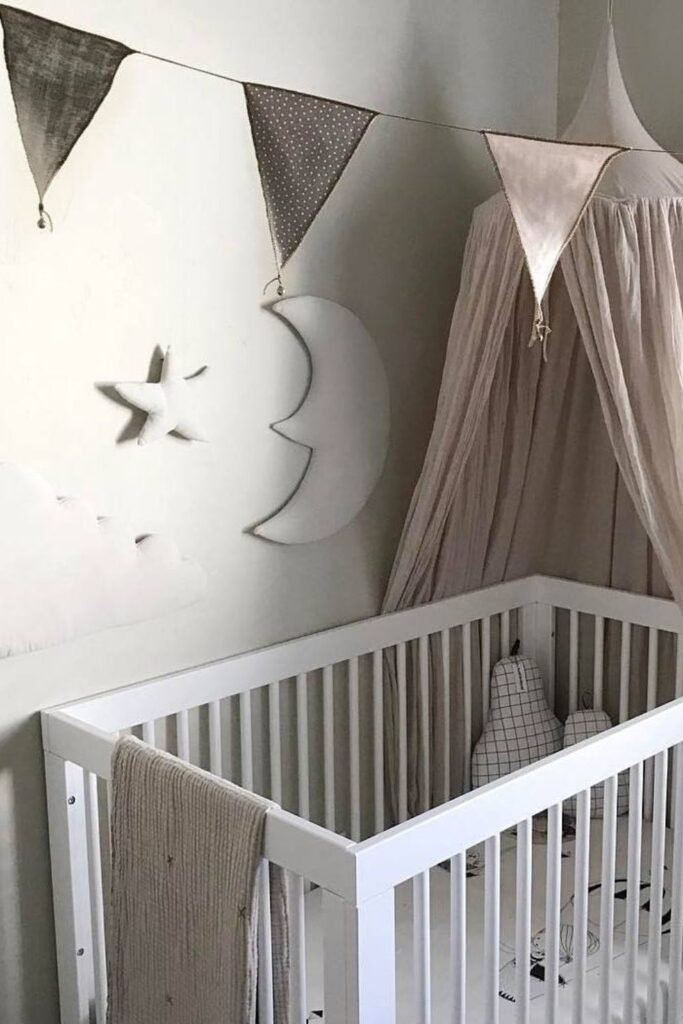
Airy Comfort
Light-filled nurseries benefit from softness rather than color. Padded clouds and moons keep walls gentle while white cribs reflect daylight.
Fabric banners bring a touch of character with out overwhelming the space. They are perfect for a newborns sleep area where a sense of calm is paramount.
To create a calming environment choose soft neutral textiles. Make sure any hanging decorations are securely out of the reach.
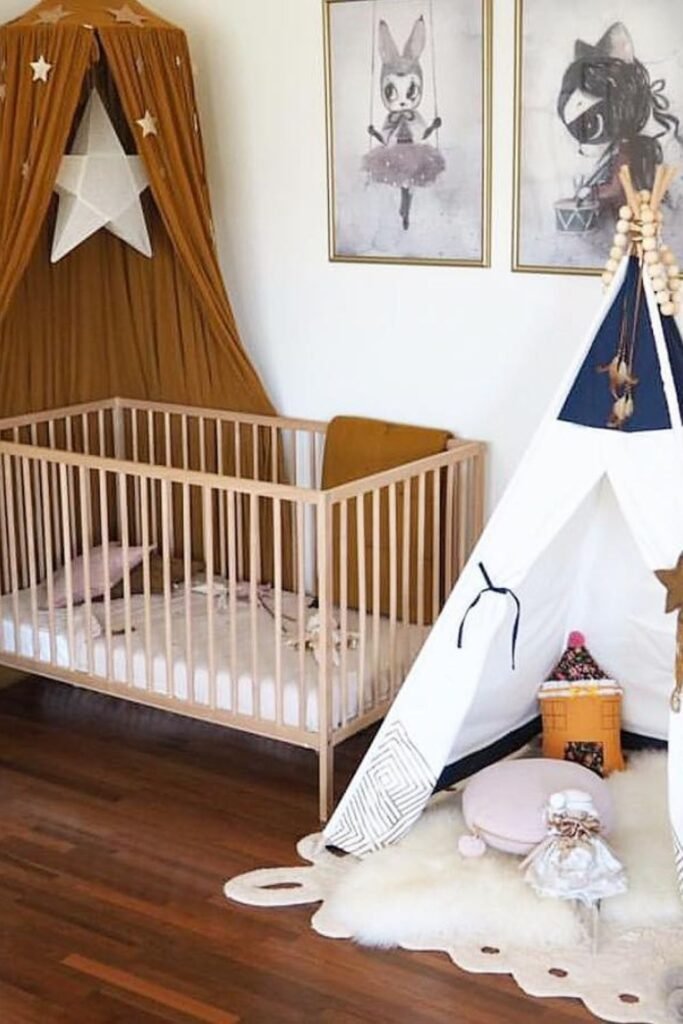
Playful Corners
Playful nooks spark imagination without encroaching on precious sleep. Teepee tents are ideal for nurseries offering toddlers a peaceful play area close to adult supervision.
Soft star accents echo lunar motifs and floor rugs offer a cushion for little ones learning to crawl.
To recreate this keep tents light position them away from crib and limit the number of toys inside.
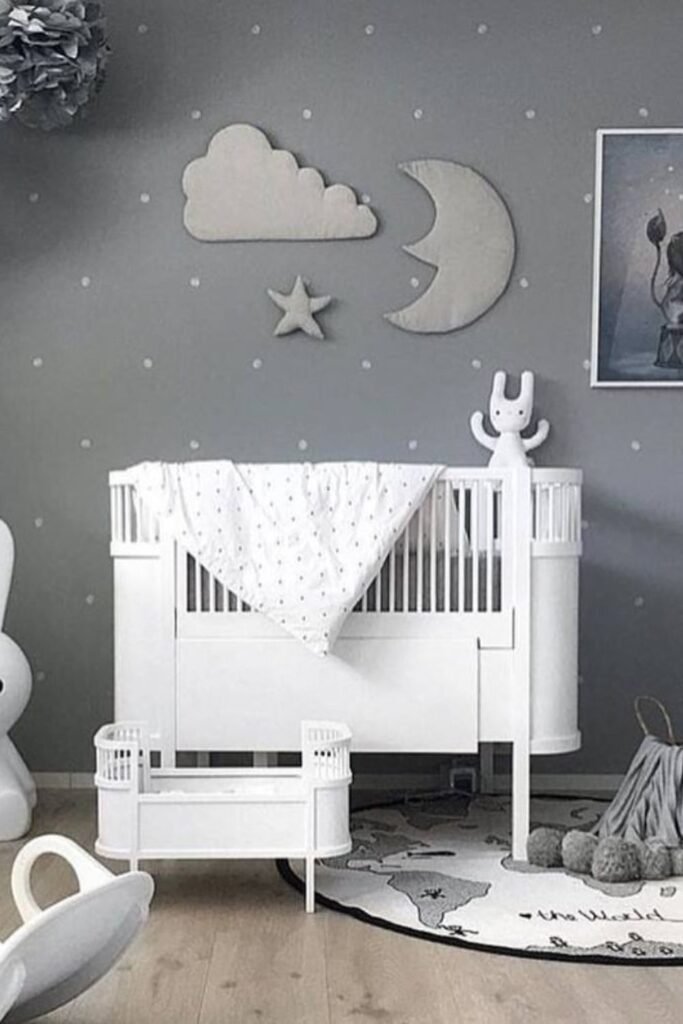
Soft Dots
Gentle patterns keep nurseries playful without overstimulating young eyes. Polka dots paired with moon and cloud decor work well in shared baby rooms balance matters.
Light grey walls temper the starkness of white furniture, cleverly concealing the inevitable scuffs and smudges.
To achieve this effect arrange wall decor with a relaxed spacing and keeps decorative item closer to floor.
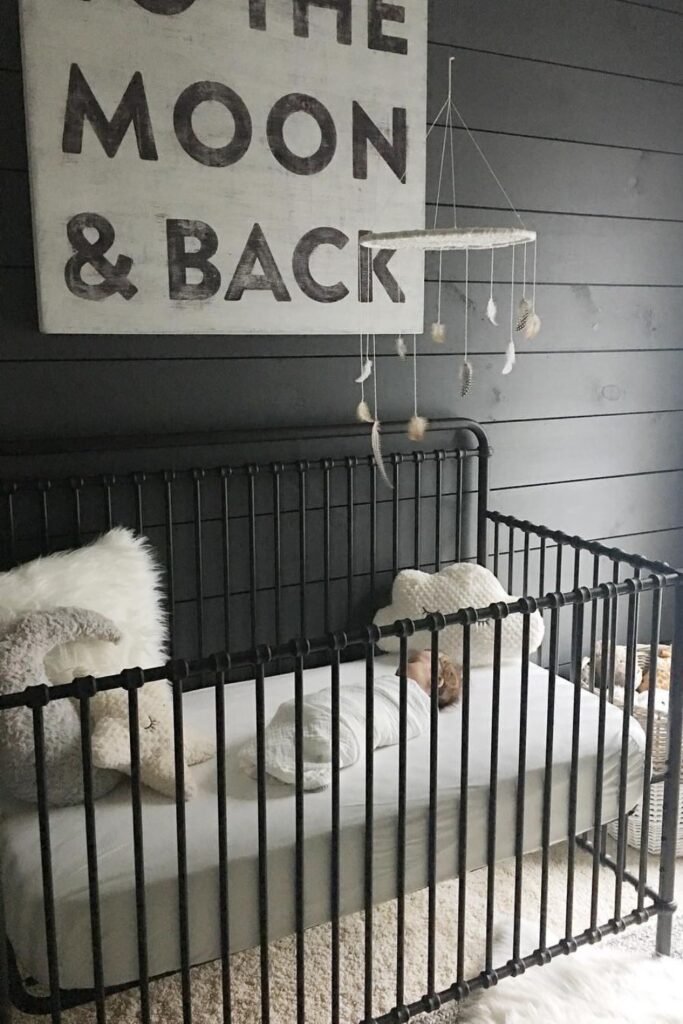
Calm Contrast
Dark walls can still feel peaceful when paired with soft textures. Charcoal paneling sets a strong backdrop, while light bedding keeps the crib inviting.
A simple moon mobile introduces gentle motion, avoiding any visual clutter. This approach is ideal for nurseries designed with sleep in mind, where a tranquil is key.
To achieve this look, select a dark base color complement it with woven baskets and soft rugs and maintain a minimalist decor.
Soft Haven
Soft neutrals turn a nursery into a calm daytime and nighttime space. Sheer canopy fabric frames the crib without blocking light.
Hanging stars offer a soft twinkling backdrop. Floor seating establishes a secure play area adjacent to the sleeping area.
This approach is particular effective in medium sized rooms where distinct zones are beneficial.
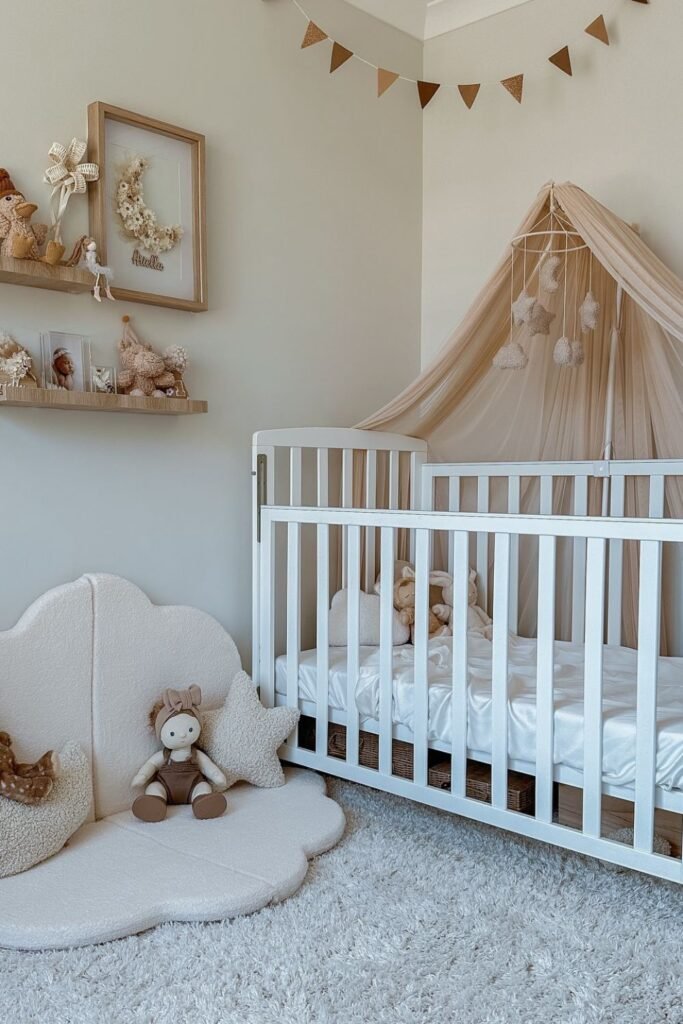
Personal Touch
Names on nursery walls make the space feel emotionally secure for babies and meaningful for parents.
This concept aligns perfectly with contemporary nurseries which often embrace a minimalist aesthetic.
To achieve this select light weight name signage incorporate padded wall decor, and opt for soft color palettes to cultivate a serene atmosphere.
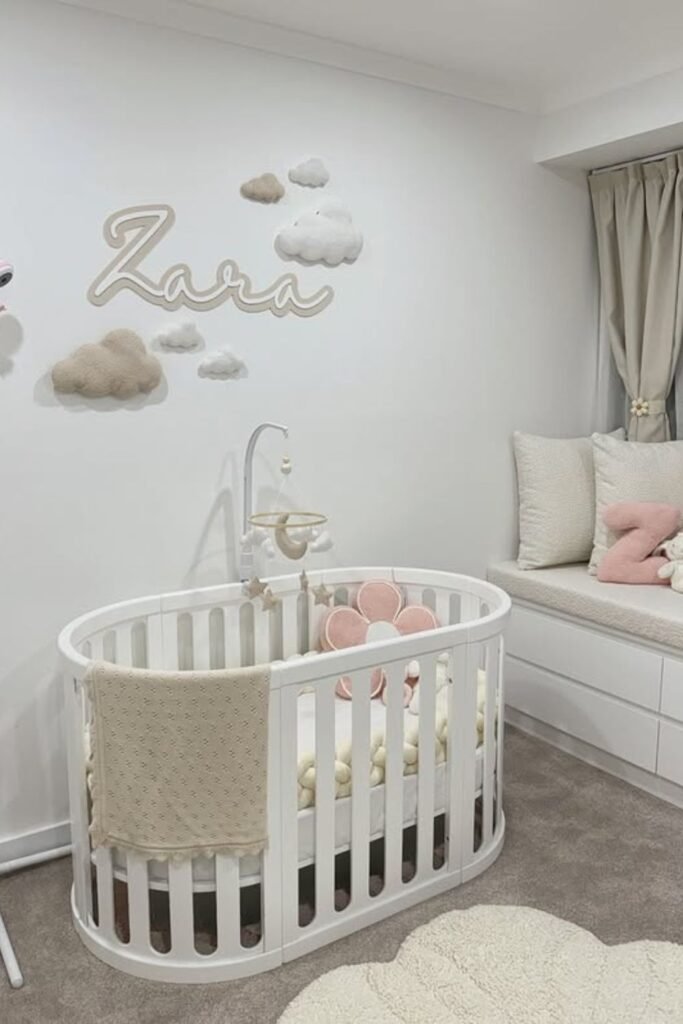
Open Play
Open floor plans help nurseries grow with active babies. Moon shelves and star accents stay high leaving play space clear below.
Floor mats and soft toys create a secure area for movement next to the crib. This arrangement is ideal for rooms designed for daytime play.
To replicate this hang decorations out of reach select lightweight wooden pieces and leave the center open.
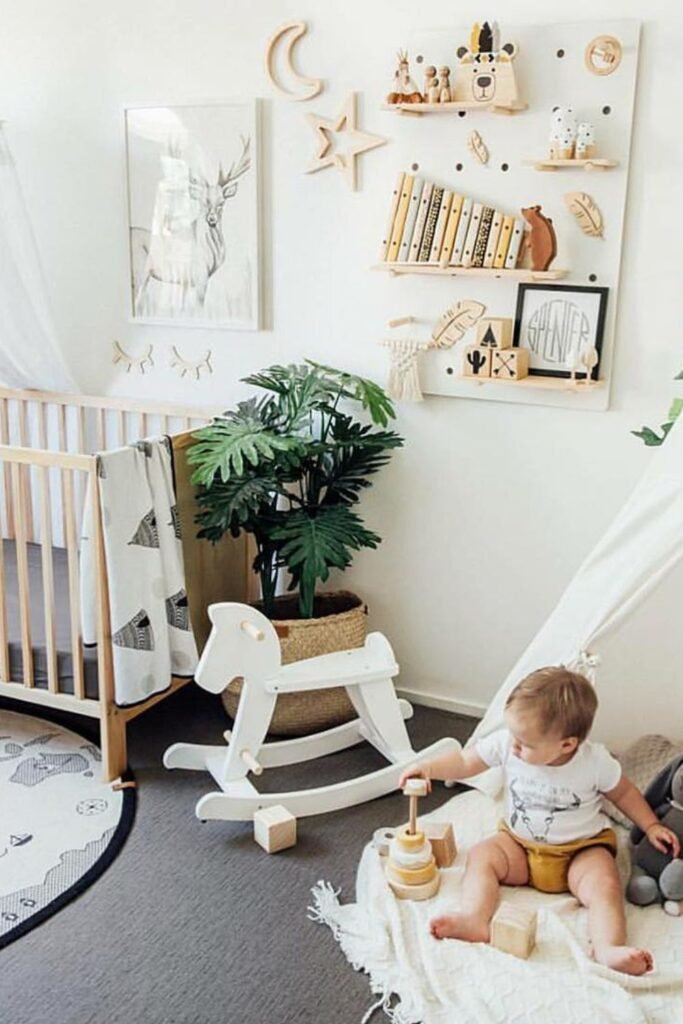
Sleep Cues
Sleep-focused walls help babies understand when it’s time to rest. Simple moon decals and short phrases work best above cribs because they stay calm and familiar.
Grey walls help to soften harsh light and create a calm atmosphere. This approach is particularly well-suited for nurseries which are often used during the night.
To achieve this effect, opt for matte decals, limit the amount of text and steer clear of stark contrasts.
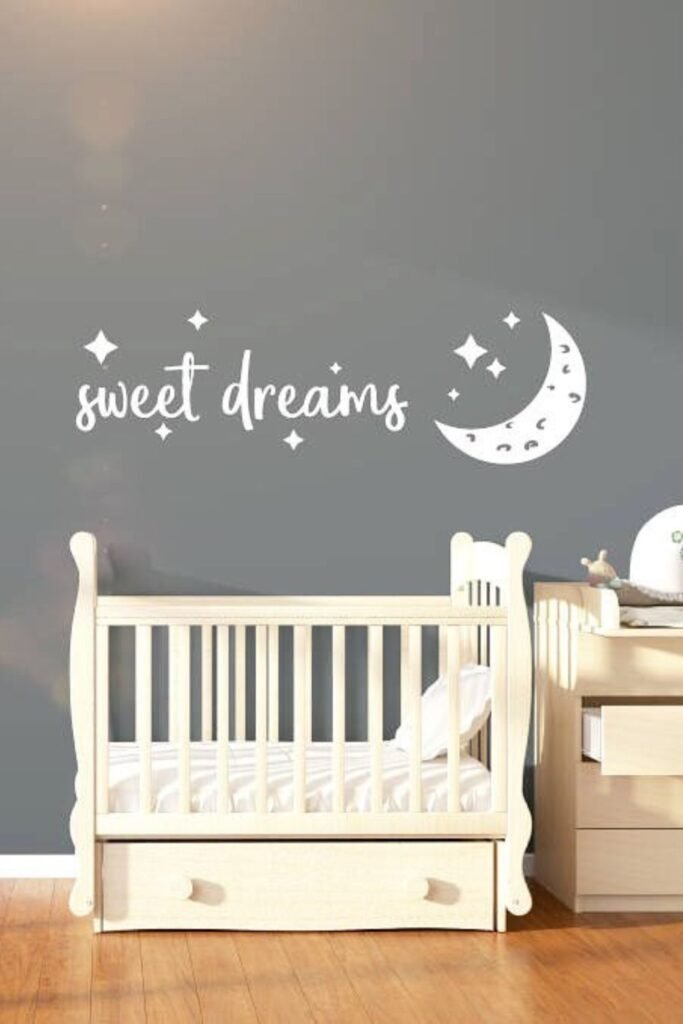
Warm Grounding
Calm warmth shapes a nursery that feels safe from day one. Earthy beige walls soften light while a moon rug anchors the crib area.
Canopy fabric frames a sleeping area without completely enclosing it. Its a lovely solution for sun drenched rooms where a bit of grounding is needed.
To get this look layer neutral textiles incorporate a single moon themed feature on the floor and keeps wall art to minimum.
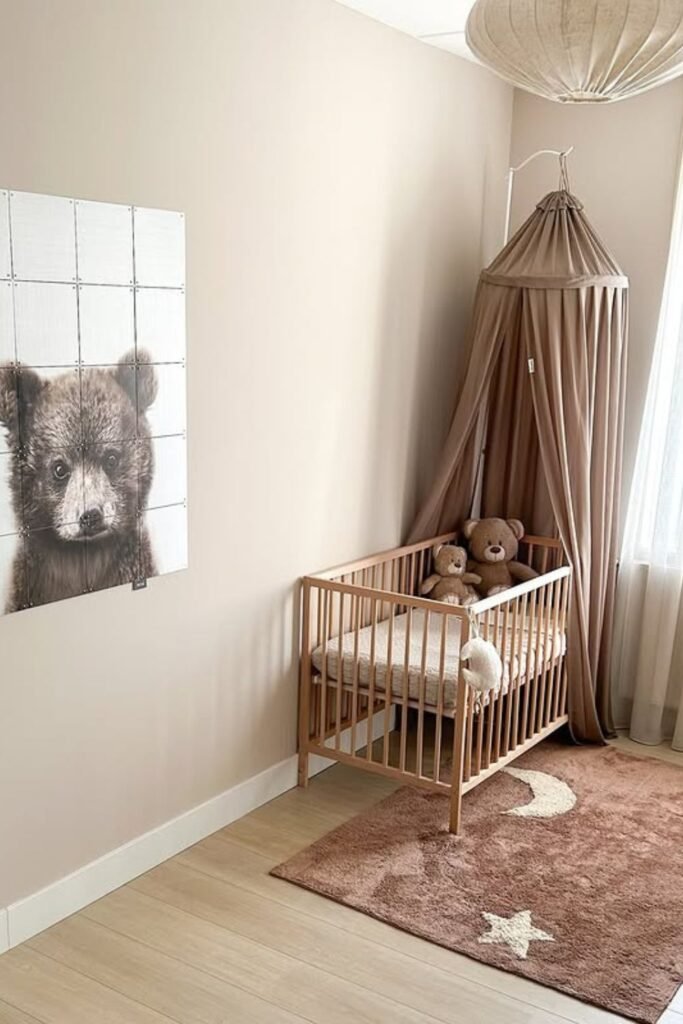
Name Glow
Personalized walls build emotional connection long before words form. Name signage paired with moon bedding anchors the crib as a true sleep zone.
Soft wall lights offer a gentle glow, perfect for nighttime comfort without the harshness of bright overhead lighting.
They’re particularly effective in nurseries where a consistent bedtime routine is key. To get this effect keep names centered use warm lighting, and restrict patterns.
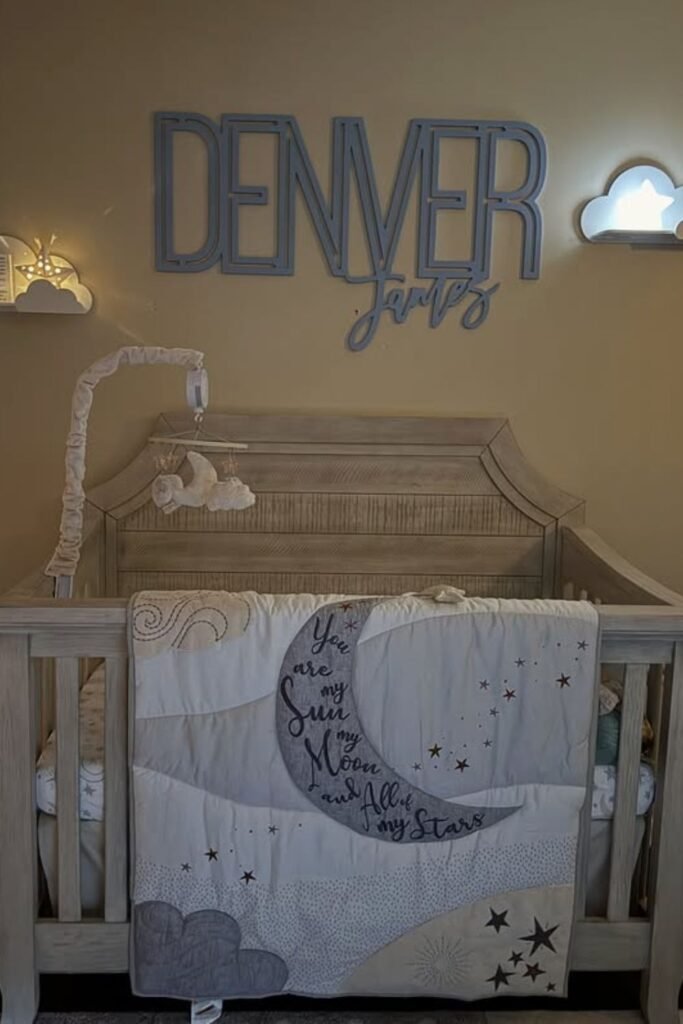
Warm Details
Warm textures make nursery walls feel lived in without clutter. Wooden moons and stars suit crib areas where calm matters most.
Open shelving keeps what you need close at hand, and the overall look stays airy.
It’s a great solution for smaller spaces that need a bit of character without feeling cramped.
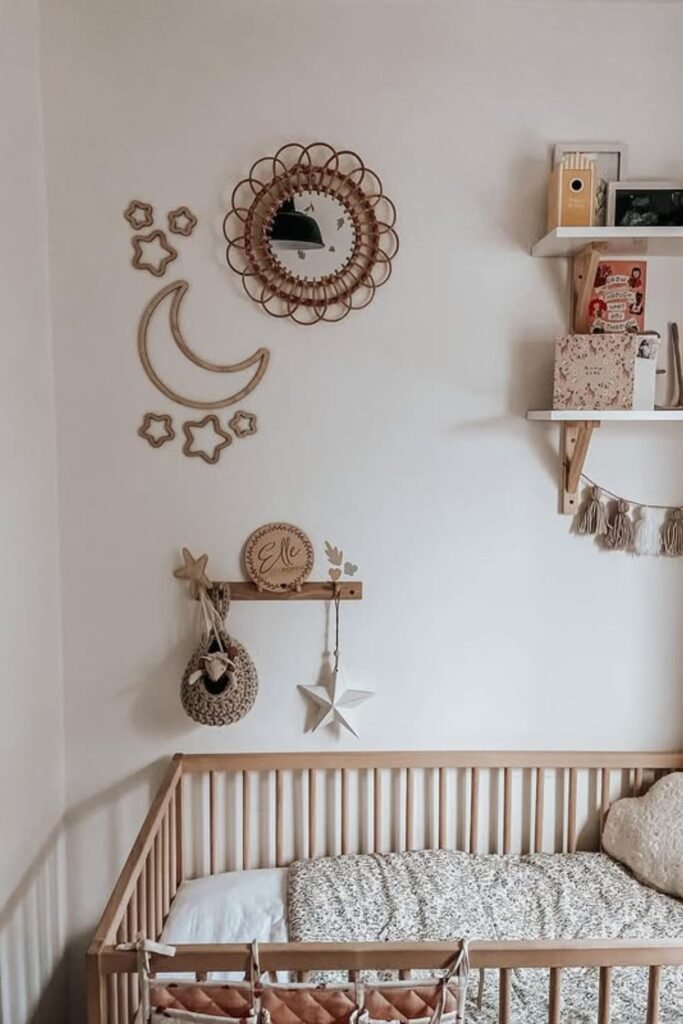
Ceiling Constellations
Ceiling constellations shift attention upward, giving walls a break while still reinforcing the theme. Paint tiny stars directly above the crib so babies focus when lying down.
Use glow paint sparingly to avoid stimulation. This works well in narrow rooms with limited wall space.
Recreate by mapping stars lightly in pencil first, sealing paint matte, and keeping surrounding walls plain so the ceiling becomes the quiet star of the room.
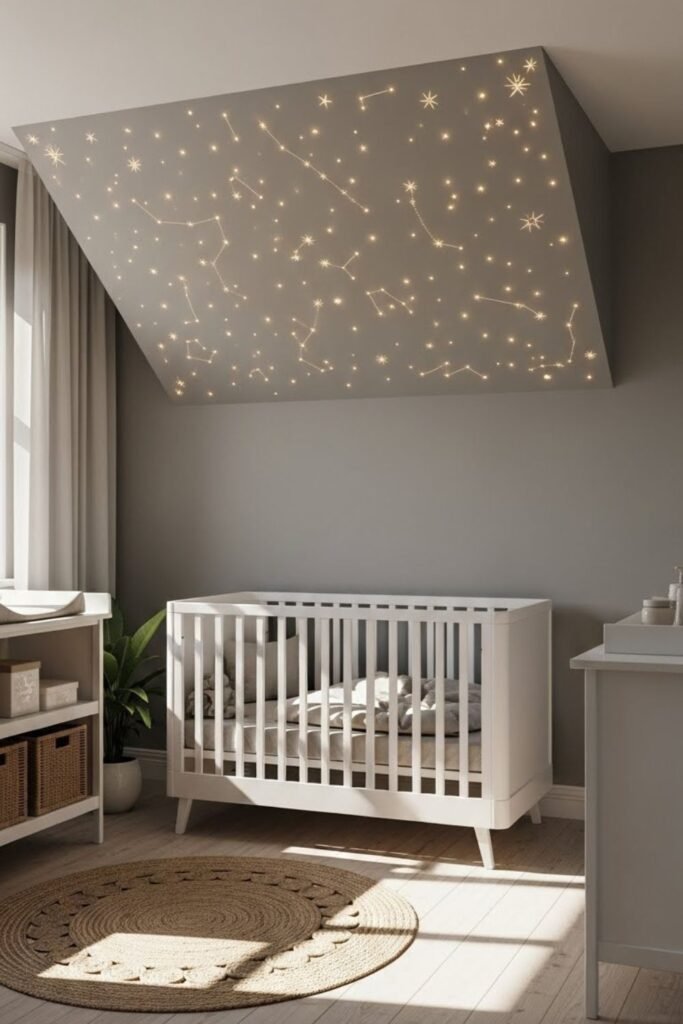
Moon Shadows
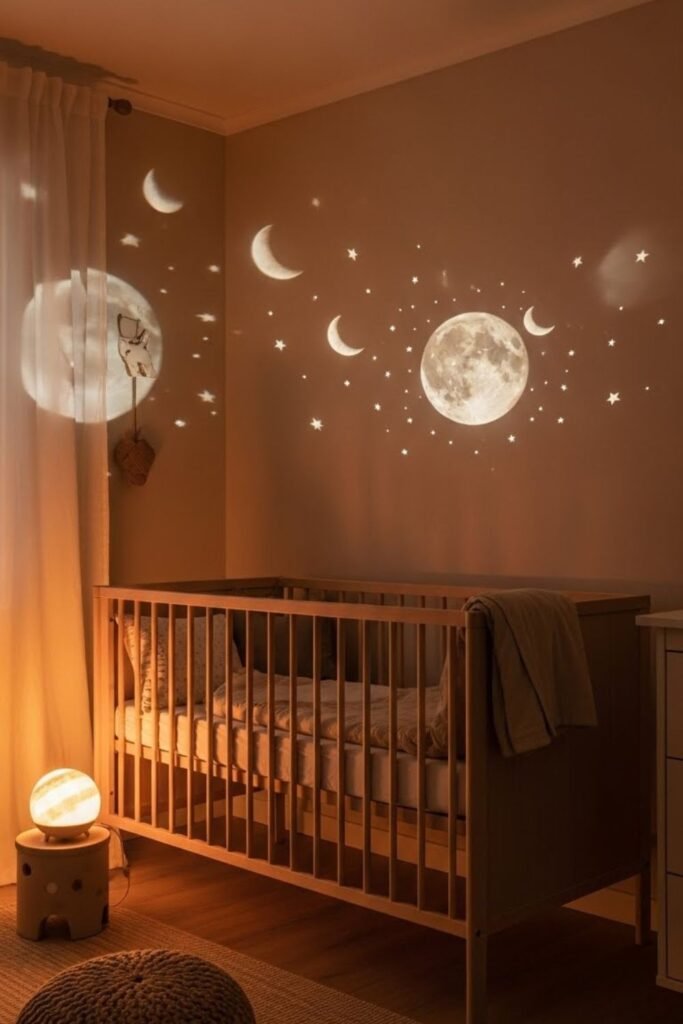
Moon shadows add movement without decoration overload. Install a soft moon-shaped projector near the crib to cast slow shapes during wind-down time.
Light fades automatically, teaching sleep cues. Best for babies resisting bedtime transitions.
Recreate by choosing warm-toned projectors, aiming light away from eyes, and using it only during evening routines so the effect stays special.
Floor Galaxies
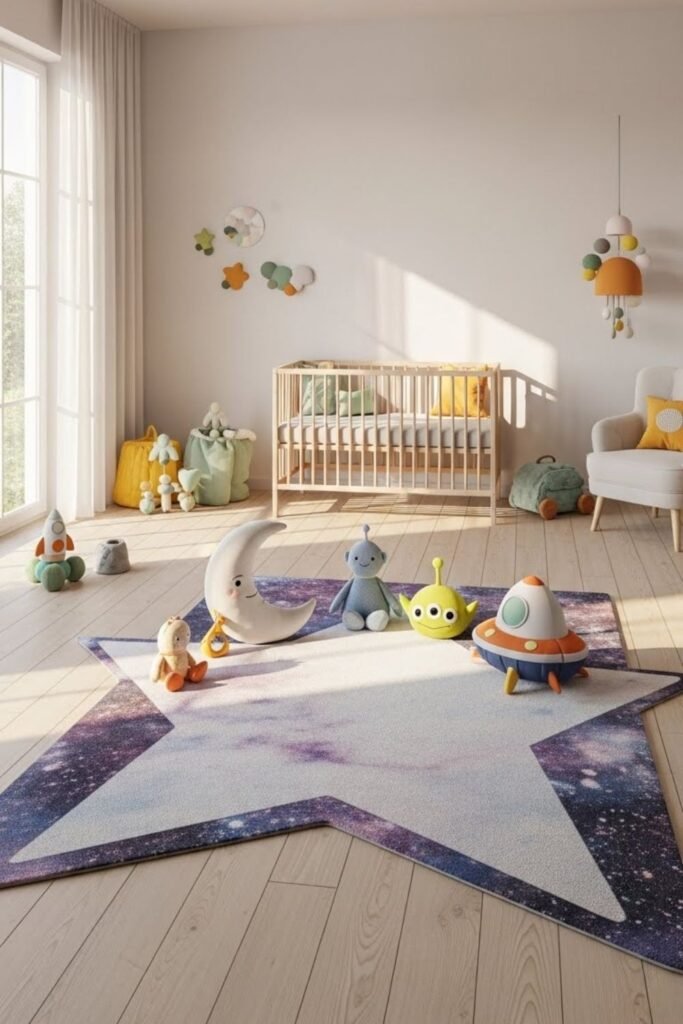
Floor galaxies shift the theme underfoot, helping active babies engage safely. Use star-shaped rugs or stitched patterns near play zones, not cribs.
Soft textures support crawling and tummy time. Ideal for daytime-focused nurseries. Recreate by anchoring rugs with pads.
Choosing muted colors, and keeping patterns simple so movement stays encouraged without visual chaos building as energy levels rise throughout the day.
Story Ceilings
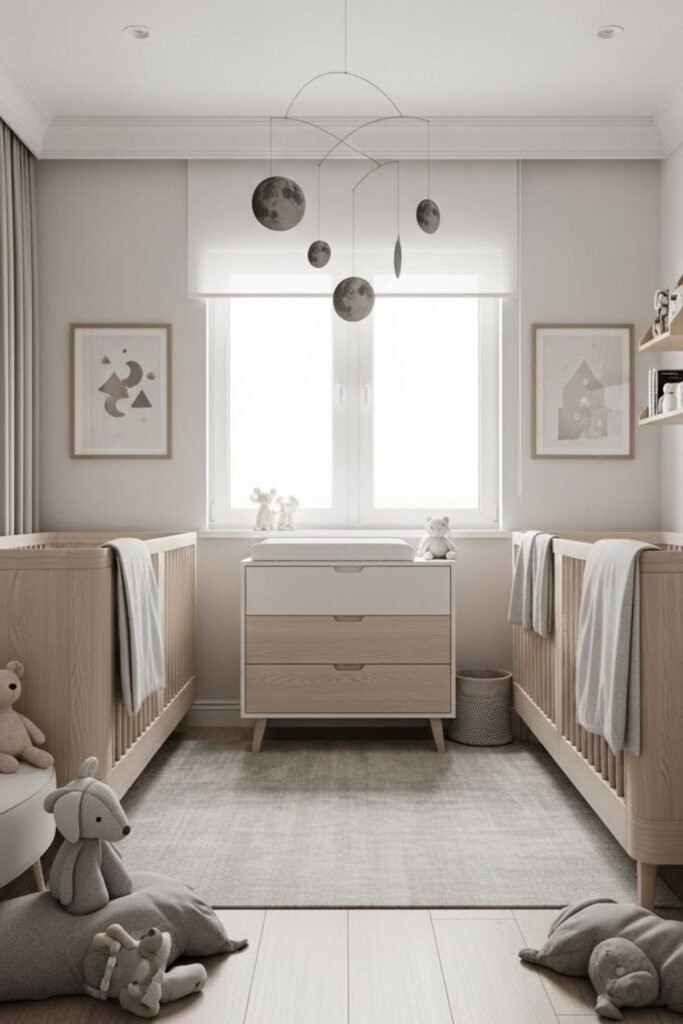
Story ceilings guide imagination without adding toys. Hang a slow-turning moon mobile from the center of the room rather than above furniture.
Movement feels shared, not stimulating. Works well for siblings sharing space. Recreate by choosing balanced mobiles, securing ceiling anchors properly.
And keeping other hanging items minimal so focus remains gentle and predictable during quiet moments before sleep begins for families seeking calm rhythms.
Hidden Stars
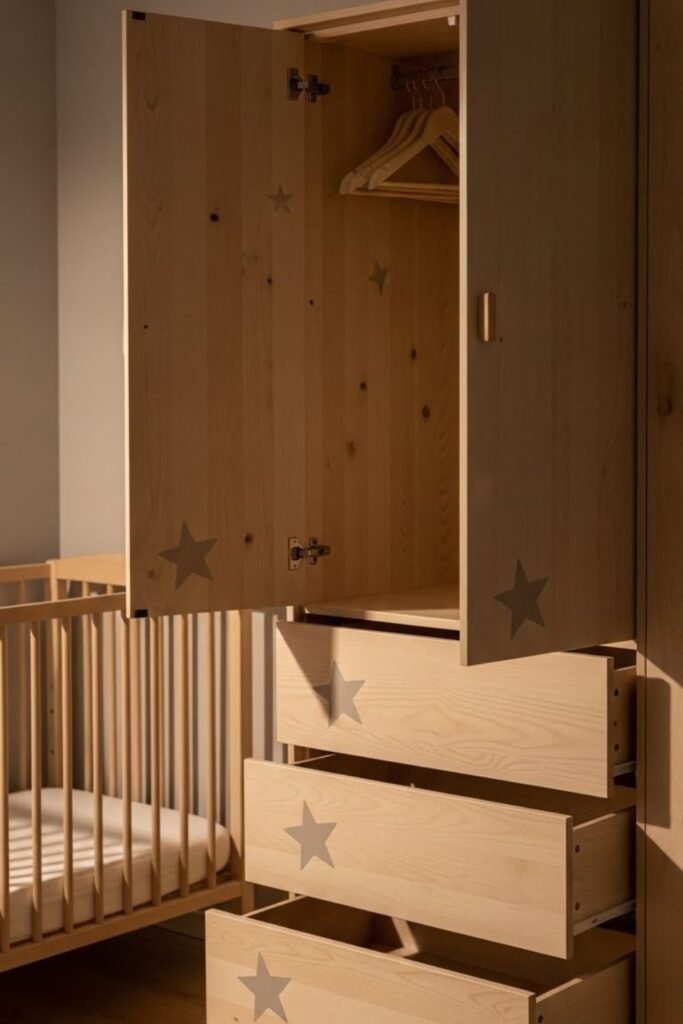
Hidden stars reward curiosity instead of constant display. Tuck small star decals inside wardrobes, drawers, or behind curtains for surprise moments.
Babies notice patterns gradually. Ideal for parents avoiding visual overload. Recreate by placing details only adults see during care routines, turning everyday tasks.
Into quiet bonding moments that feel special without filling walls or ceilings with constant visual signals that support calm focus and gentle discovery over time together.
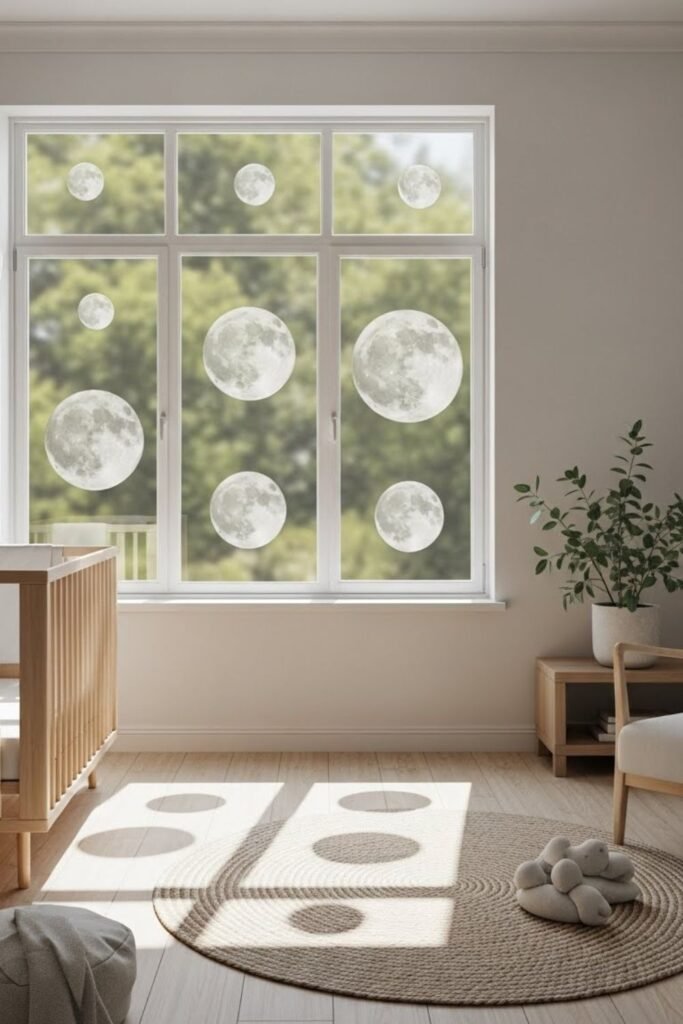
Window Moons
Window moons use natural light as part of the theme. Apply translucent moon decals directly onto glass so sunlight creates shifting shapes.
Rooms feel alive without added clutter. Best for bright spaces facing east or west. Recreate by choosing removable window films, testing light intensity first.
And keeping surrounding walls plain so daylight becomes the design feature babies experience daily as seasons change and routines naturally evolve over time together.
FAQs
Can a moon and stars nursery still work as my child grows?
Indeed, that’s the core benefit of this approach. By maintaining a neutral foundation and steering clear of overly whimsical designs.
The space can effortlessly transition from a nursery to a toddlers room. Simply trade out mobiles for wall decor substitute soft rugs with play mats.
How do I keep a moon and stars nursery from feeling too dark?
Darkness isn’t a theme; it’s a symptom of imbalance. Use the moon and stars sparingly, as accents, not as the main event.
Reserve dark hues for a single wall or the ceiling. When contrast is thoughtfully used, the room will feel serene, not oppressive.